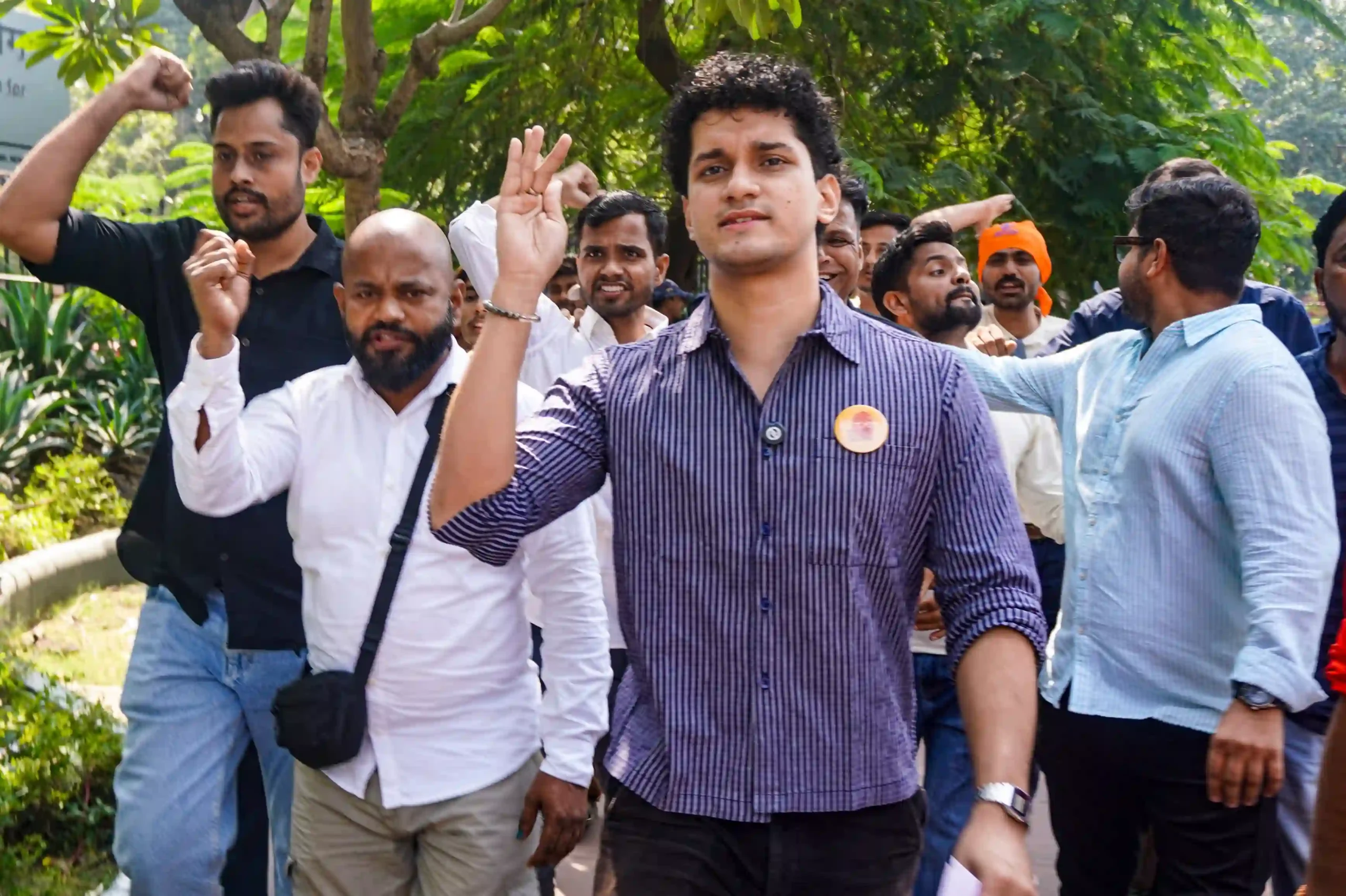
On Wednesday, the Cockroach Janta Party (CJP) and several student organisations held a joint press conference in New Delhi, urging a nationwide mobilisation against Chief Election Commissioner Gyanesh Kumar ahead of a planned protest on October 10. The groups announced that the agitation would persist until the electoral system is overhauled, framing the confrontation as a struggle between defenders of democracy and the ruling BJP.
The CJP, led by co‑convener Saurav Das, cited its earlier success in July when a NEET paper‑leak protest forced Union Education Minister Dharmendra Pradhan to resign. Das called on citizens across the country to book travel to Delhi and prepare for a prolonged protest, insisting that even if Kumar resigns, the movement would not end because the electoral framework itself requires reform. The demands outlined include Kumar’s resignation, criminal proceedings against him, freezing the Special Intensive Revision of electoral rolls, halting upcoming elections, restoring the January 2025 voter list, and initiating an independent inquiry. The group also seeks repeal of the 2023 law governing EC appointments to create a credible selection process.
The press conference also featured the All India Students’ Association, All India Students’ Federation, Students’ Federation of India, and the Aam Aadmi Party’s student wing, Association of Students for Alternative Politics. AISA president Neha Bora stressed that the student‑led mobilisation aligns with opposition MPs’ protests, describing the struggle as “common people, civil society, opposition parties and student organisations versus the EC and the BJP.” She praised the INDIA bloc MPs for marching toward the EC office and urged BJP supporters to join the fight for democracy.
Das said the organisers had submitted a formal intimation to the Parliament Street police station and provided undertakings, dismissing the need for explicit permission. He urged cooperation with Delhi Police while maintaining that the protest would proceed. SFI’s Adarsh Shaji framed the confrontation as a battle between democracy and autocracy, underscoring the broader call for systemic change.