Archaeologists in the Montana mountains have uncovered Clovis‑era human remains and artifacts at elevations that were previously thought to be covered in glacial ice. The find challenges earlier assumptions about the environment of North America 13,000 years ago and suggests that the earliest inhabitants may have lived in high‑country areas near Yellowstone.
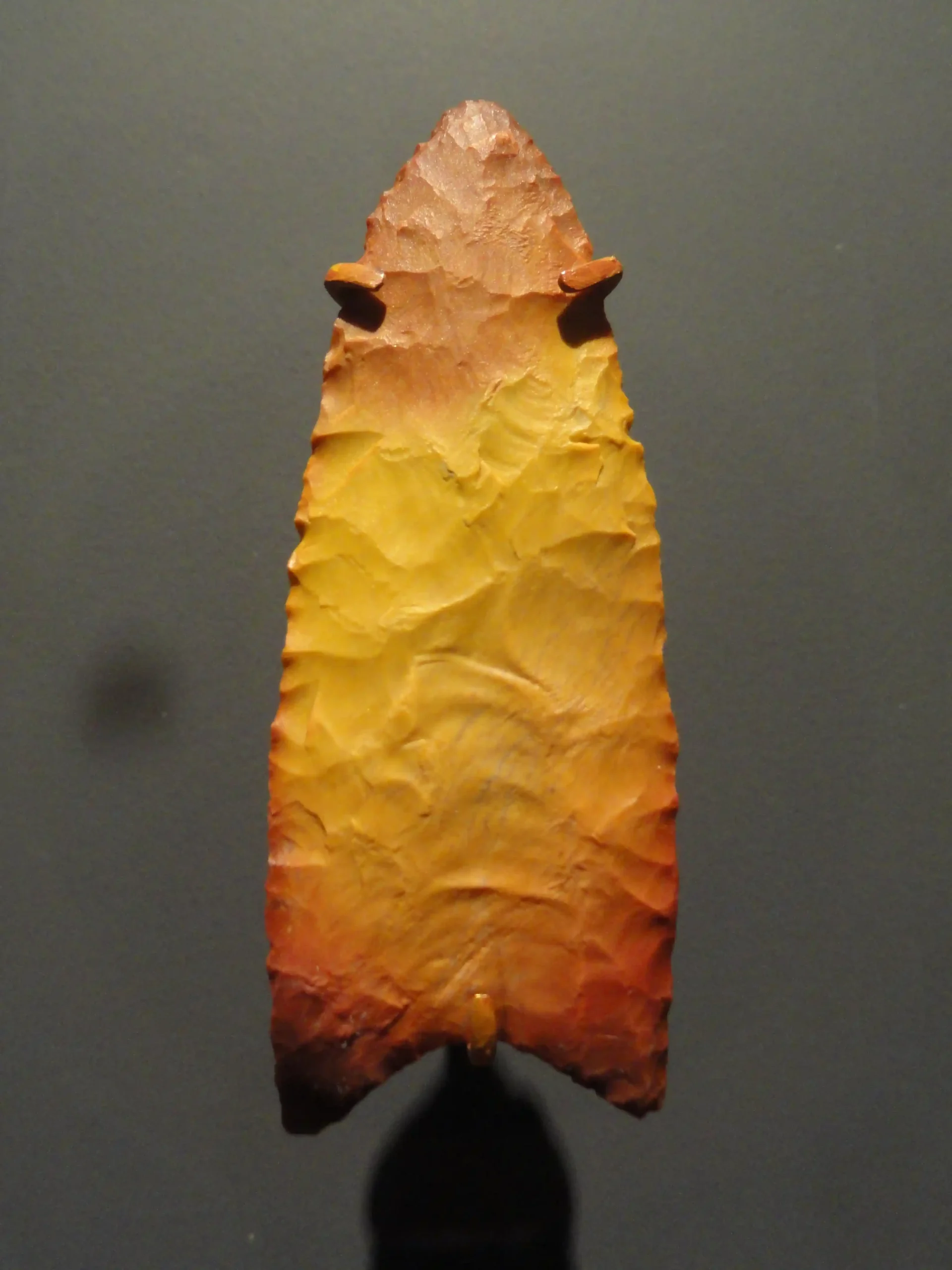
The first hint that the continent’s prehistory was more complex came in 1968 when construction workers unearthed the so‑called “Clovis Child” at the Anzick Site north of Yellowstone. The burial, which included a young child’s remains, an antler and about 100 stone artifacts, was dated to 12,725–12,900 years ago by researchers from Texas A&M, Oxford and Colorado.
Recent work in the Beartooth Mountains, at elevations of 9,000 feet, has revealed additional Clovis points and lithic debris. A massive rain‑and‑snow event in 2022 reworked the sediment, exposing a dense collection of stone tools that may represent the oldest and highest‑elevation Clovis sites in North America.
Archaeologist Scott Dersam notes that the sediment found in the area should not have existed under current paleoecological models. He says the discovery is a “full kick to the chest” and may force a revision of the prevailing paradigm about early human habitation. The findings are prompting experts to re‑examine the history of the continent’s first peoples.