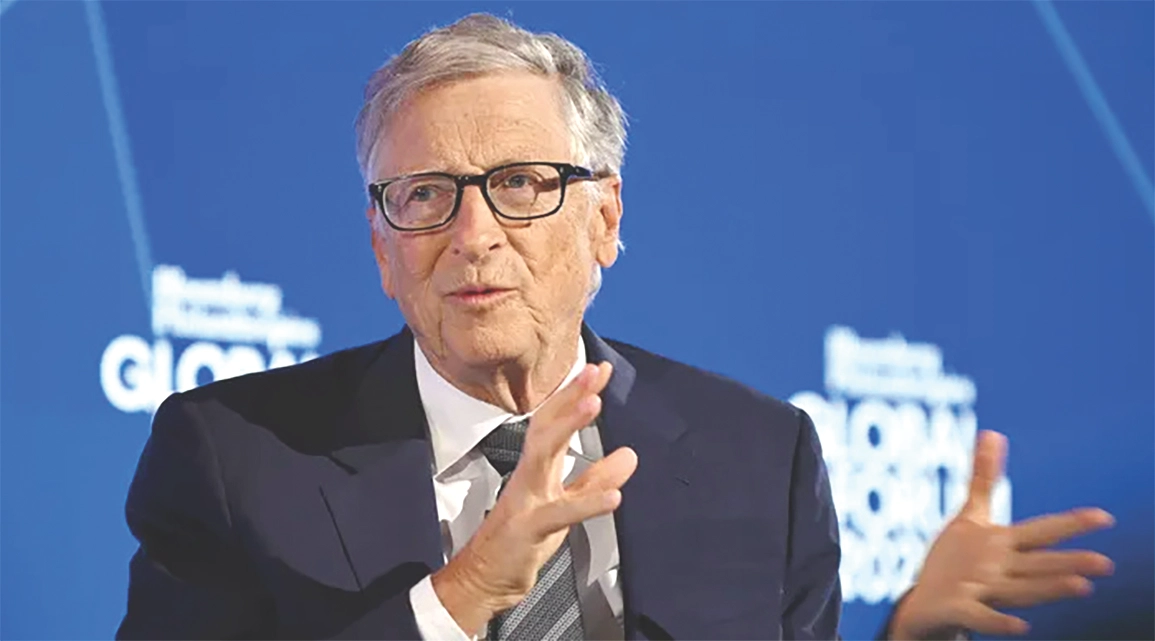
Microsoft co‑founder Bill Gates warned on NBC’s “Meet the Press” that artificial intelligence could trigger events leading to a billion deaths, sparking a heated debate in Washington over whether governments should regulate advanced AI or risk falling behind China.
Gates described AI as an evolutionary event, noting it is already smarter than humans in many respects and will become exponentially more intelligent in the coming years. He rejected voluntary safeguards, arguing that governments lack the expertise to identify dangerous thresholds in biological attacks, cyberattacks and other uses of the technology. Gates called for legislation that would require safeguards and monitoring systems for every AI, adding that the costs would not dramatically slow industry development.
Representative Ro Khanna, a California Democrat, joined the call for regulatory action, proposing a ban on recursive self‑improving AI until safeguards are in place. Khanna urged a US‑China working group of technologists to negotiate common restrictions and emphasized the need for a verifiable treaty that would prevent AI systems from training themselves without human oversight.
Other voices weighed in. US Ambassador to the UN Mike Waltz said Washington and Beijing have agreed to a superintelligence dialogue to set guardrails on biological weapons research and nuclear systems. Attorney General Todd Blanche cautioned that additional laws could undermine US competitiveness, noting existing criminal and civil statutes already allow action against AI‑enabled crimes. Meanwhile, India is expanding AI use across public services and stresses governance that balances safety, accountability and equitable access without stifling innovation in developing economies.