A state‑level workshop titled “Evolution of Textiles in Mizoram: A Focus on Lai Textile Heritage” was held in the auditorium of Government Aizawl West College. The Department of History and the Research Development Cell‑IQAC organized the event to bring together scholars, weavers and community members interested in the region’s textile traditions.
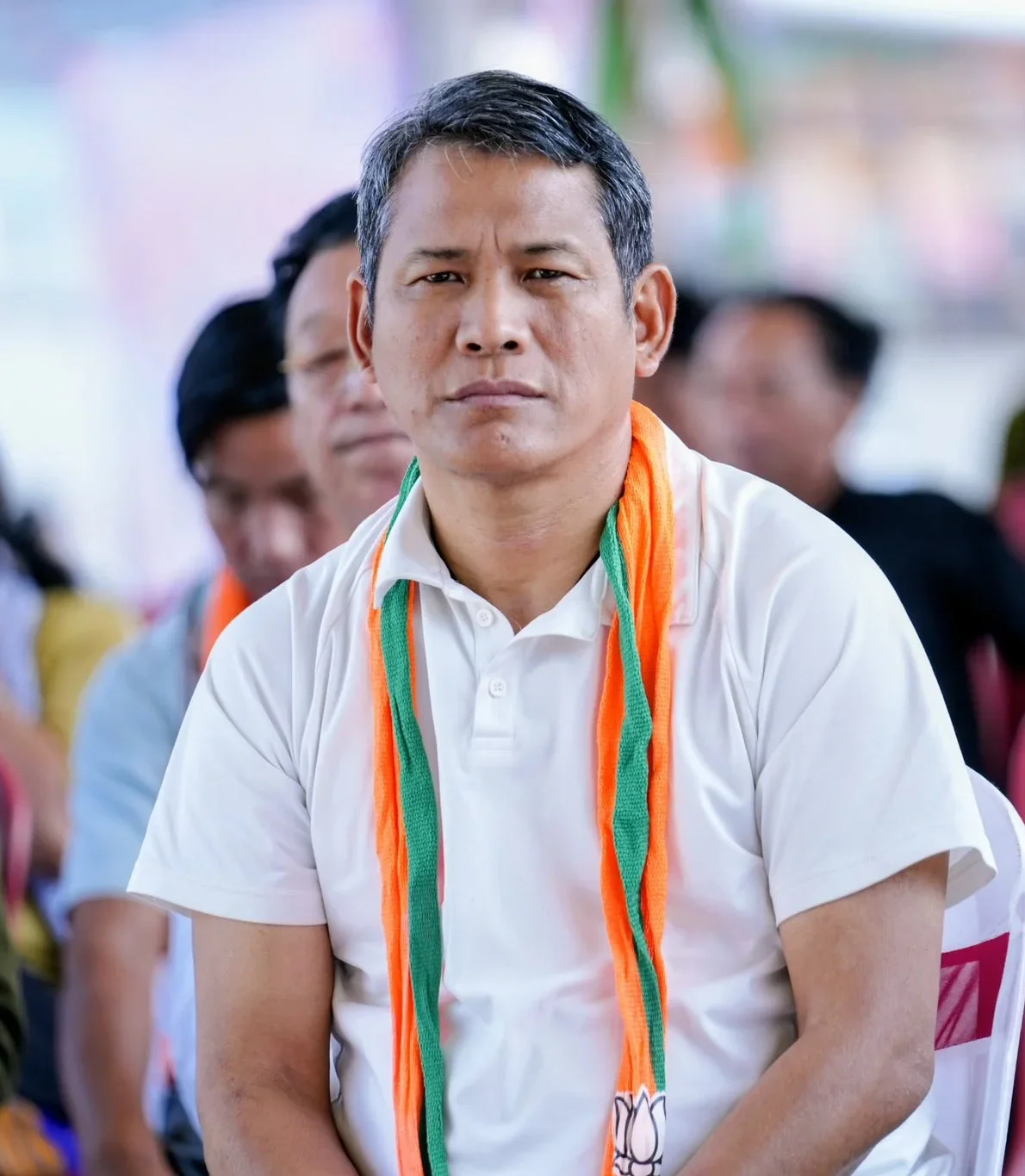
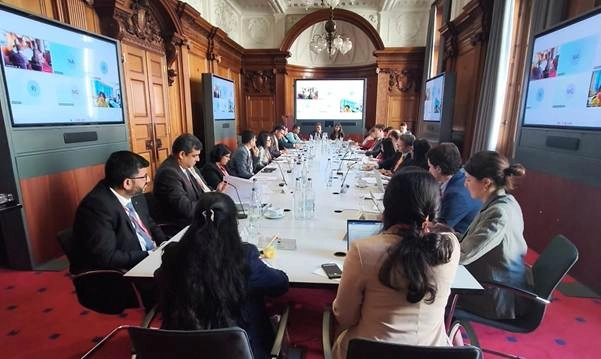
Chief Executive Member of the Lai Autonomous District Council (LADC), C Lalsawmzuala, attended as chief guest and urged stronger efforts to preserve, research and document Lai textiles and traditional weaving practices. He stressed that the diverse Zo cultural heritages should unite rather than divide, and highlighted the rich craftsmanship of earlier generations. He noted that a Lai textile dating to 1855 is preserved at the Victoria and Albert Museum in London and that silk was already employed in Lai traditions at that time.
The speaker listed traditional Lai textile designs such as Hnika, Khuptangtial, Nawnthum Hni, Chawngnak, Canlo and Biarpi, describing them as reflections of the community’s way of life, craftsmanship, cultural identity and heritage. He said the workshop marked an important step toward a systematic study of Lai textiles, noting that no dedicated academic examination of Lai traditional attire had been undertaken at the international or state level before. While modern machinery and weaving techniques become more common, he emphasized the need to preserve traditional methods and the original identity of Lai textiles.
Referencing the Swadeshi movement of India’s freedom struggle, Lalsawmzuala highlighted the role of traditional clothing in fostering cultural identity and self‑reliance. He called for systematic study of all Lai textile varieties, including origins, weaving techniques, designs and colours, and urged documentation for future generations. He proposed video documentation featuring interviews with traditional weavers and said the LADC would continue working with experts. The council plans more handloom fairs, exhibitions, designer collaborations to enhance design and quality, and expanded market opportunities. It also intends to explore establishing a Lai Textile Heritage Village within the LADC area with support from the Central government.