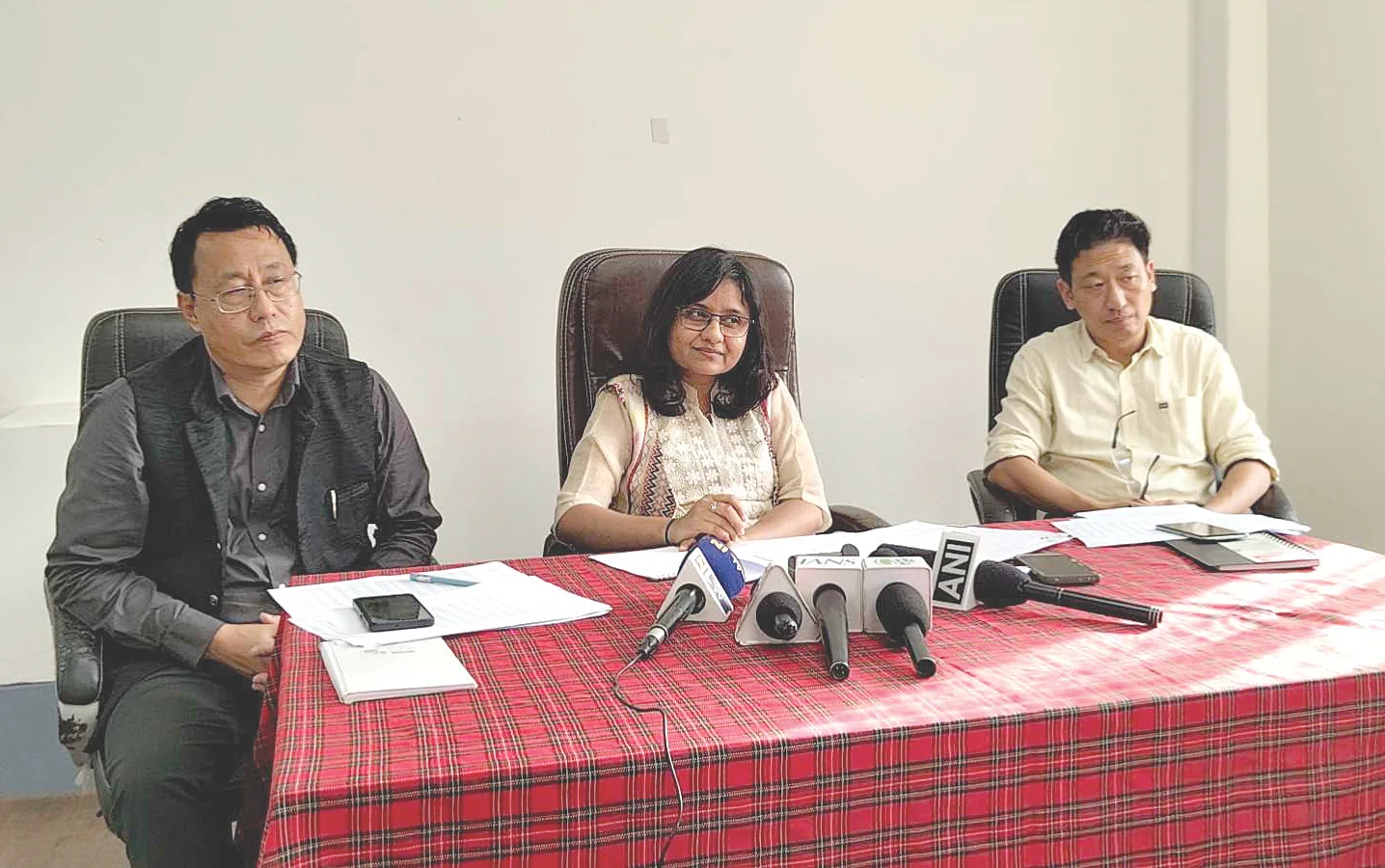
Nearly five lakh electors in Nagaland are expected to receive notices from the Election Department as a result of discrepancies found while mapping their details against the 2005 electoral roll during the ongoing Special Intensive Revision (SIR). The draft electoral roll for the state’s 60 assembly constituencies was released by the Electoral Registration Officers on 20 September 2026, after excluding about 1.59 lakh names from the pre‑SIR roll.
According to Additional Chief Electoral Officer Awa Lorin, 9.33 per cent of electors were classified as “no mapping” and another 27.31 per cent fell under mapping anomalies, making a combined 36.64 per cent of the electorate affected. The pre‑SIR roll listed 13,57,208 electors, of which 88.38 per cent had submitted Enumeration Forms during the 16 August–14 September period.
The enumeration process identified 28,944 deceased electors (2.13 per cent), 1,23,749 electors as absent, permanently shifted or in other categories (9.12 per cent), and 5,059 electors enrolled at multiple locations (0.37 per cent). The absent/shifted/other category includes those who have become electors elsewhere, cannot be located, failed to submit forms, or declined to register.
Electors whose names are missing from the draft roll can apply for inclusion during the claims and objections period from 20 September to 20 October by submitting Form‑6 and the required declaration. Duplicate names will be retained at only one location. Booth‑wise lists of absent, shifted, dead and duplicate electors are displayed at ERO/AERO offices, polling stations, and posted on the CEO Nagaland website. Voters and party representatives may verify the draft roll through ERO offices, Booth Level Officers, the CEO website, or the ECINET mobile application.
The enumeration involved 17 election districts, 44 EROs, 64 Assistant EROs, 258 BLO supervisors, 2,361 BLOs, and 3,758 Booth Level Agents appointed by recognised parties. A total of 38 new polling stations were created, raising the number from 2,361 to 2,399. The claims process will close on 20 October, after which the notice and scrutiny phase will run until 18 November. Applicants will have the opportunity to provide supporting documents, and no name will be deleted without due process, notice, enquiry, and a chance to be heard. Appeals can be filed with the District Magistrate within 15 days, with a second appeal to the CEO within 30 days of the Magistrate’s order. The final electoral roll is scheduled for publication on 22 November 2026.