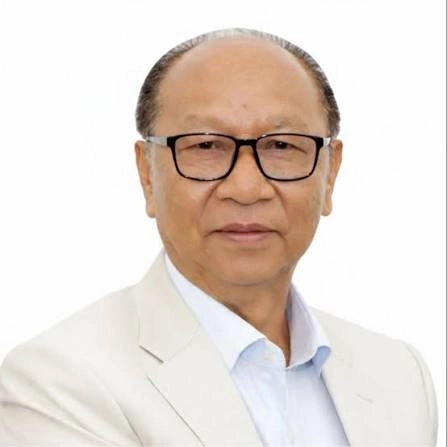
Questions about the ancestry of Arunachal Pradesh Deputy Chief Minister Chowna Mein have surfaced repeatedly in public discourse. A review of archival records, ranging from British colonial reports of 1825 to photographs from 1941 held at the British Library in London, provides a more definitive account of the family’s history.
Mein descends from a Tai Khamti lineage that can be traced to two prominent 20th‑century figures: his paternal grandfather Chow Chali Mein Gohain, a well‑to‑wed nobleman, and his maternal grandfather Chow Kanan Namchoom, a Tai Khamti chief. The two families were united by marriage, and both men are remembered for their leadership within the community.
Central to the debate is the honorific title ‘Gohain’. Historians note that the title was not a clan name but a designation attached to the office of Tai Khamti Sadiya Khowa Gohain, an administrative post dating to the Ahom period. Because of the prestige of the office, many Tai Khamti across clans adopted the title. In the 1960s, leaders encouraged a return to original clan surnames.
Archival photographs preserved at the British Library further confirm the family’s historical standing. A 1941 image taken by the then Governor of Assam, Sir Robert Neil Reid, shows Chow Chali Gohain and Chow Kanan alongside an elephant named Moti and its mahout. A second photograph from the same day depicts the residence of Chowsa Khamti, headman of Mi‑in (Mein), illustrating the clan’s social and political prominence before independence.
Chowna Mein’s political career began with his election to the Arunachal Pradesh Legislative Assembly in 1995, followed by roles as Assembly Speaker, cabinet minister, and since 2016 deputy chief minister. His family’s contributions to the state’s development, coupled with the preservation of their lineage in British Library archives and Lik Tai chronicles, underscore a legacy that extends beyond contemporary debates.