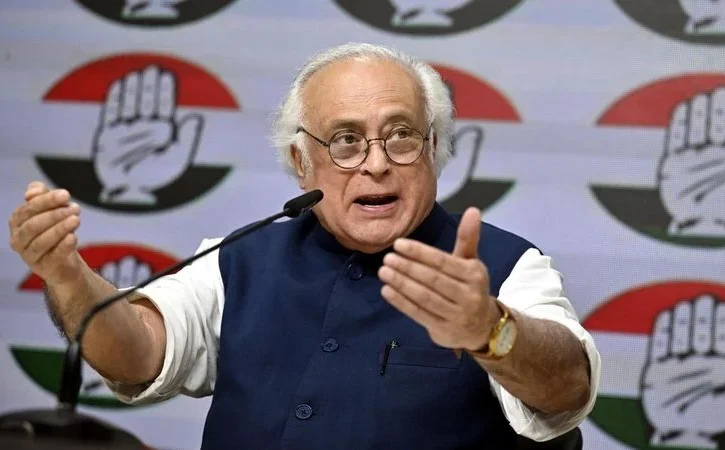
The Congress has demanded an immediate review of the E20 policy, asserting that the anti-people fuel policy is unacceptable to the country. Congress general secretary in-charge communications Jairam Ramesh stated that the policy has led to rising inflation and forced vehicle owners to bear the brunt of reduced mileage and vehicle damage. Ramesh shared a media report on X, which claimed that sugar prices in the country rose from Rs 48 to Rs 67 per kg, and jaggery from Rs 50 to Rs 65 per kg, as a result of diverting 25 lakh tonne of sugar-grade sugarcane to ethanol production.
Prices of rice and maize flour have also increased by 16% and 11%, respectively, while the cost of animal feed has risen by 10.34%. Ramesh criticized the government for restricting fuel choices for vehicle owners and failing to address concerns regarding vehicle mileage and compatibility with E20 fuel. He also pointed out that despite a drop in international crude oil prices and cost savings achieved by blending 20% ethanol, there has been no reduction in petrol prices.
The Congress Working Committee has expressed its concern regarding issues such as reduced mileage, risks to vehicle compatibility, limited consumer choices, and environmental damage caused by the E20 policy. The party has been raising concerns over the rollout of E20 fuel and attacking the government over the issue, alleging that the motivations behind the move were clearly not environmental. The opposition party has claimed that the rollout of E20 petrol has deprived middle-class Indians of choice, saddled them with higher fuel bills, and damaged the vehicles they had saved for years to purchase.
The Congress has demanded that the public be provided with non-ethanol fuel options and insisted that an anti-people fuel policy that makes both vehicle operation and kitchen expenses costly is unacceptable to the country.