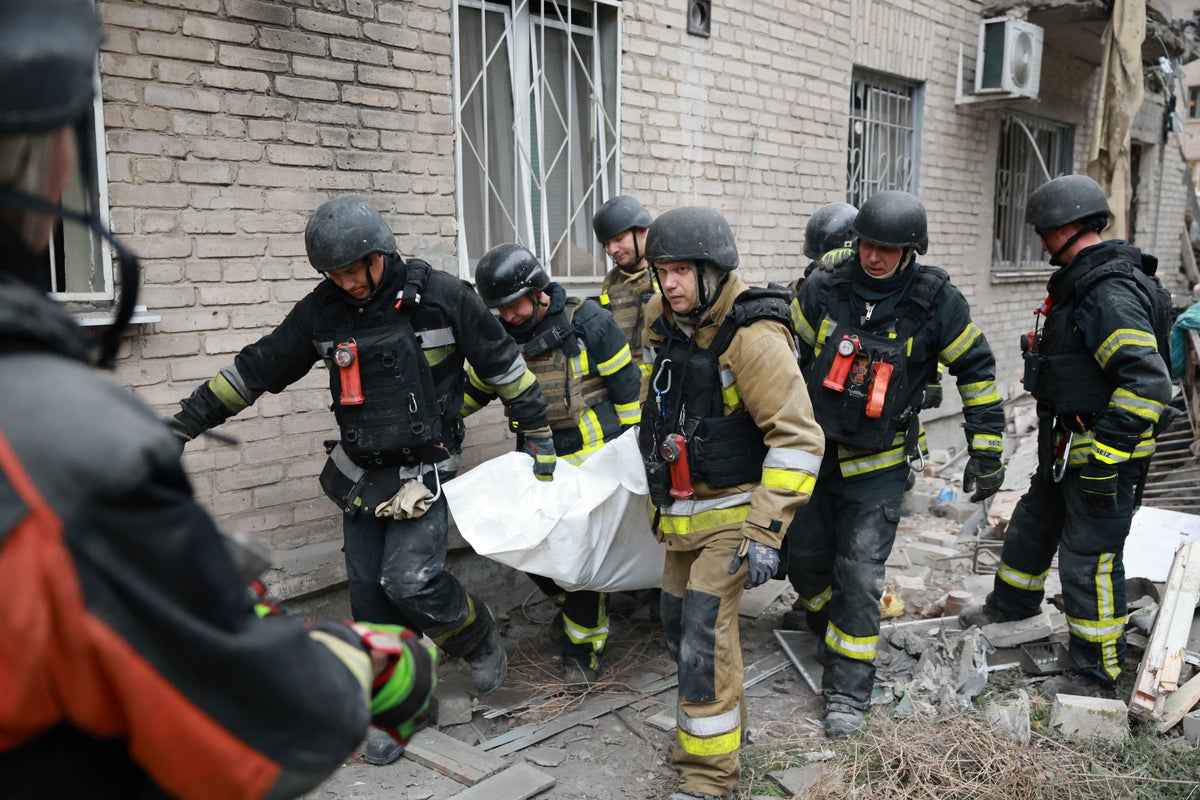
A missile strike on King Khalid International Airport in Riyadh on Saturday killed at least 12 people and left more than 300 injured, according to the Saudi civil aviation authority. The attack, the deadliest in the kingdom in more than a decade, prompted the authority to suspend airport operations and divert all flights. Houthi forces, who claim responsibility, warned airlines and passengers not to use Saudi airports or airspace, except for Mecca and Medina, citing vulnerability to attack.
The casualty list includes four Saudi citizens, two Bangladeshis, and one each from the United States, Jordan, Palestine, Syria, Sudan, and Egypt. Hospitals in Riyadh were overwhelmed with patients brought in by ambulance and helicopter, with several injured in critical condition. The strike occurred without any alert from Saudi Arabia’s threat warning system, following two earlier attacks this week that killed four people and damaged a commercial aircraft.
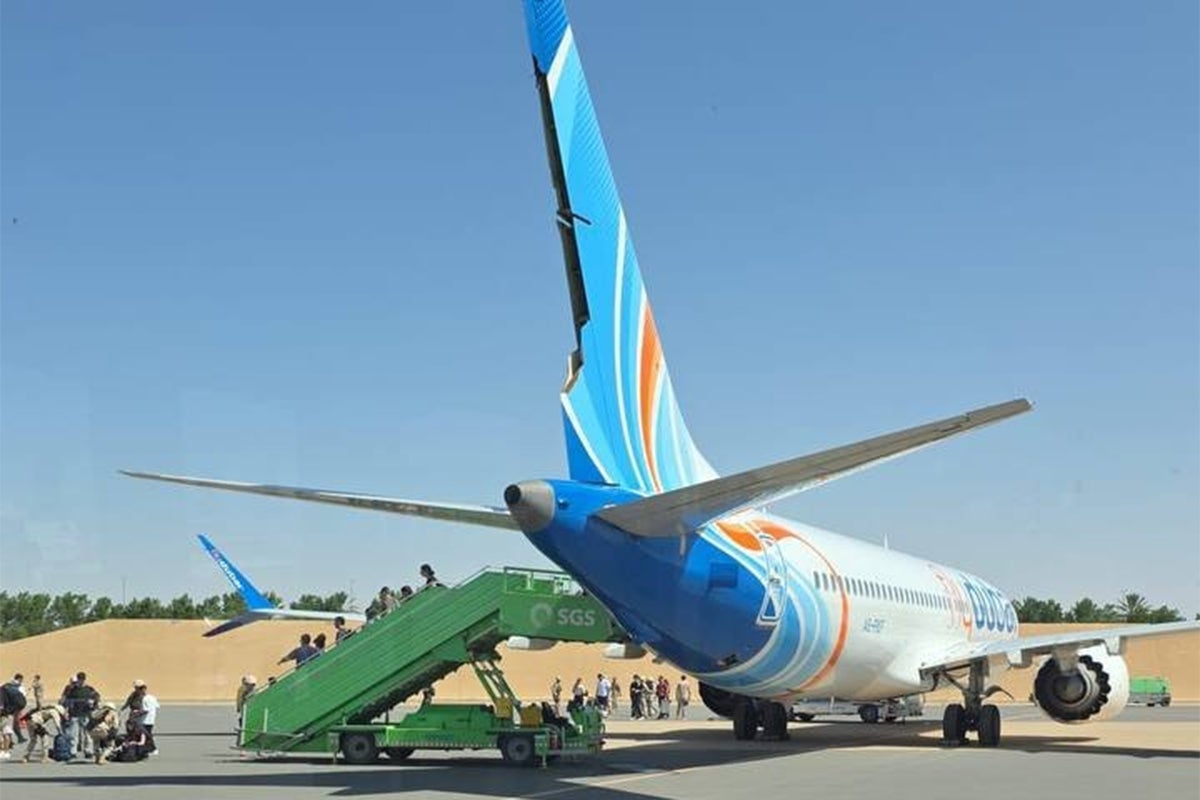
The incident highlights perceived gaps in Saudi Arabia’s air defence as it continues an air campaign against Houthi forces in Yemen. A Saudi-led coalition has vowed retaliation, while the Houthis accuse the coalition of killing civilians, including women and children, in recent raids. Flight‑tracking services showed all incoming flights to Riyadh were cancelled or redirected, and airlines such as Air India, FlyDubai, Lufthansa Group and Pakistan International Airlines had already suspended operations to the capital earlier in the week.
In the United States, President Donald Trump said he was weighing whether Washington would join Saudi strikes against the rebels, while Secretary of State Marco Rubio condemned the raids as a blatant disregard for innocent civilian life. An eyewitness at the airport reported an explosion and a collapsed ceiling near a departure gate, and Reuters footage showed emergency vehicles rushing to the scene.