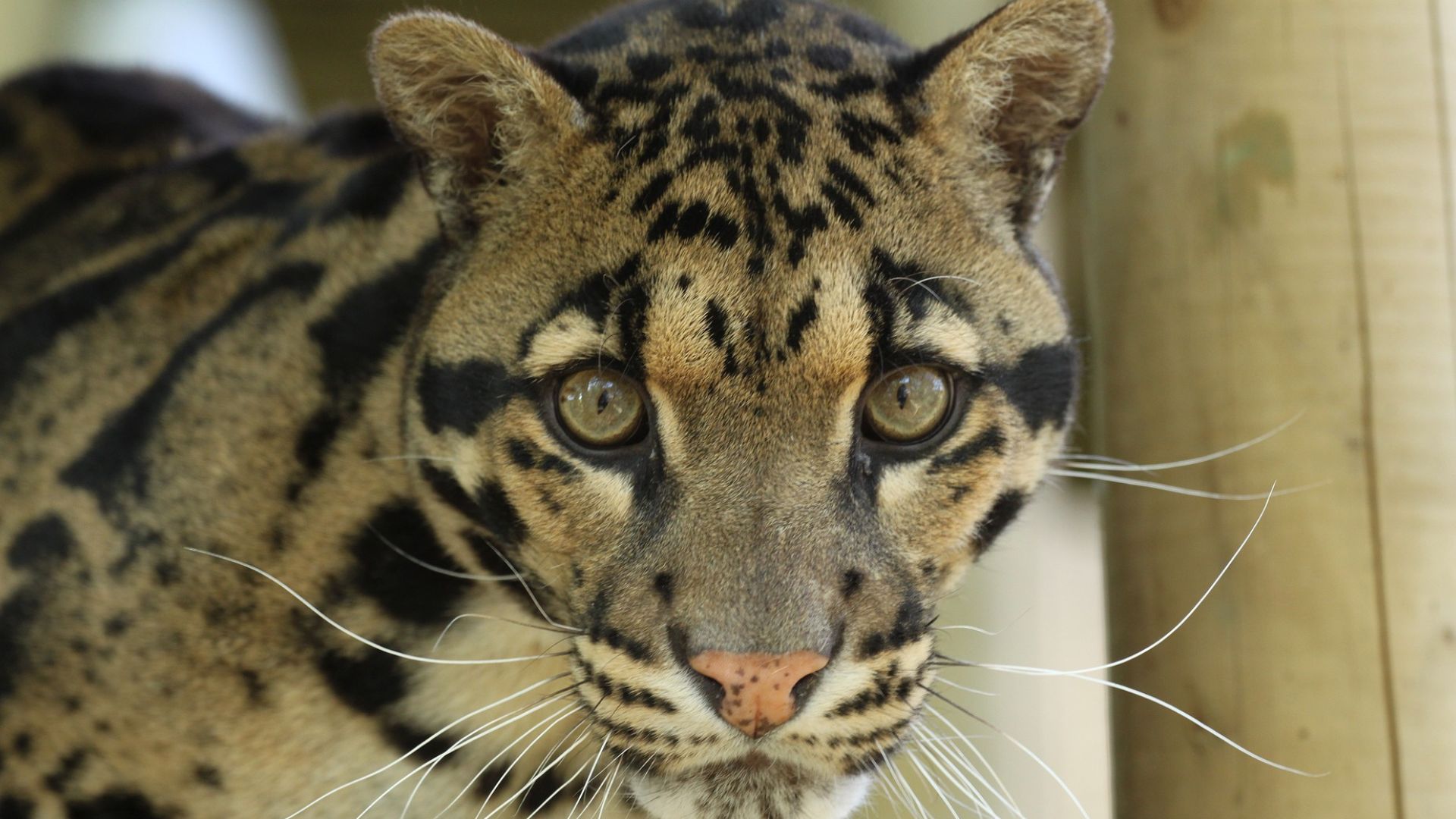
India’s conservation roadmap for the clouded leopard has placed the Northeast at the heart of efforts to save one of Asia’s most elusive big cats. The 2026 Conservation Action Plan for Caracal, Fishing Cat and Clouded Leopard, prepared by the Wildlife Institute of India (WII), describes the Northeast as the country’s principal stronghold for the clouded leopard and proposes landscape-level conservation that transcends state and international boundaries.
The action plan identifies 14 priority landscapes across the region that stretch from the Himalayan foothills to the forests bordering Bangladesh and Myanmar. These landscapes cover Sikkim, West Bengal, Assam, Arunachal Pradesh, Nagaland, Meghalaya, Mizoram, and Tripura, including several transboundary habitats linked with Bhutan, Bangladesh, and Myanmar. The document argues that conserving these connected forests is essential for maintaining viable clouded leopard populations.
Among the priority landscapes identified are West Bengal-Assam linked with Bhutan; Assam-Arunachal Pradesh; Assam; Assam-Nagaland; Assam-Meghalaya; Meghalaya linked with Bangladesh; Meghalaya; Mizoram linked with Myanmar; Mizoram-Tripura linked with Bangladesh; and Tripura linked with Bangladesh. The report comes at a time when several northeastern states have intensified conservation efforts, including Meghalaya’s Mission Clouded Leopard and camera-trap studies from protected areas in Assam, Arunachal Pradesh, and Mizoram.
The clouded leopard is described as one of India’s most overlooked wild cats, with fewer than 10,000 mature individuals believed to survive globally. Despite receiving the highest legal protection under the Wildlife (Protection) Act, the species continues to face mounting threats from habitat fragmentation, deforestation, poaching, and declining prey populations. The WII notes that conservation efforts for the species have so far been fragmented, with limited scientific data and little coordination across landscapes.
The new action plan seeks to change that by prioritizing research, habitat restoration, population monitoring, anti-poaching measures, and community participation, while integrating climate resilience into wildlife management. The document also calls for stronger cooperation between neighboring states and countries, recognizing that clouded leopards move across political borders through interconnected forest corridors.
Beyond the clouded leopard, the report proposes separate recovery strategies for the fishing cat and Asiatic caracal. However, unlike the caracal, whose remaining population is largely confined to western India, the future of the clouded leopard is closely tied to the forests of the Northeast, making the region central to India’s long-term conservation strategy.