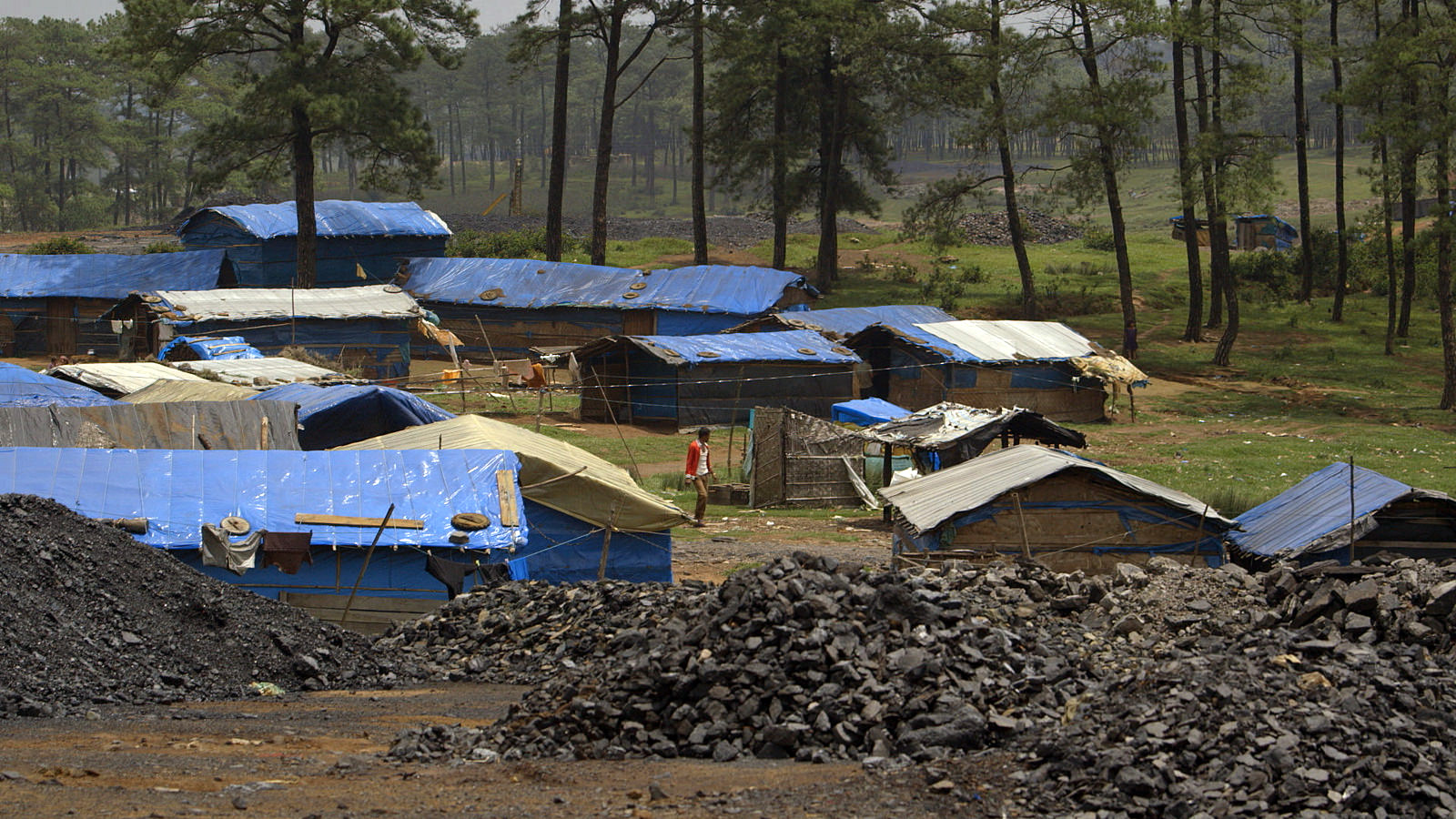
The RIWATCH Centre for Intangible Cultural Heritage (RCICH) recently conducted a two-week research fieldwork in Anjaw district to document the traditions and culture of border communities. The research was led by Hari Apralo and Miju Mena, who carried out extensive documentation across several villages in Walong, Hayuliang, and Chaglagam circles of the district.
The project focused on the Meyor, Kaman Mishmi, and Taraon Mishmi communities inhabiting the region. Throughout the drive, the team organised interactive sessions with local villagers, screened documentaries produced by the Roing-based RIWATCH, and highlighted ongoing initiatives to preserve, safeguard, and promote indigenous heritage.
Community leaders, government officers, gaon buras, women, youths, and students actively participated in the documentation process. Traditional ritual specialists, locally known as kambring, gwak, and kaho, shared vital aspects of their intangible cultural heritage. Farmers, craftsmen, and hunters also recounted their lived experiences of resilience and hardship, reflecting the authentic way of life in the border region.
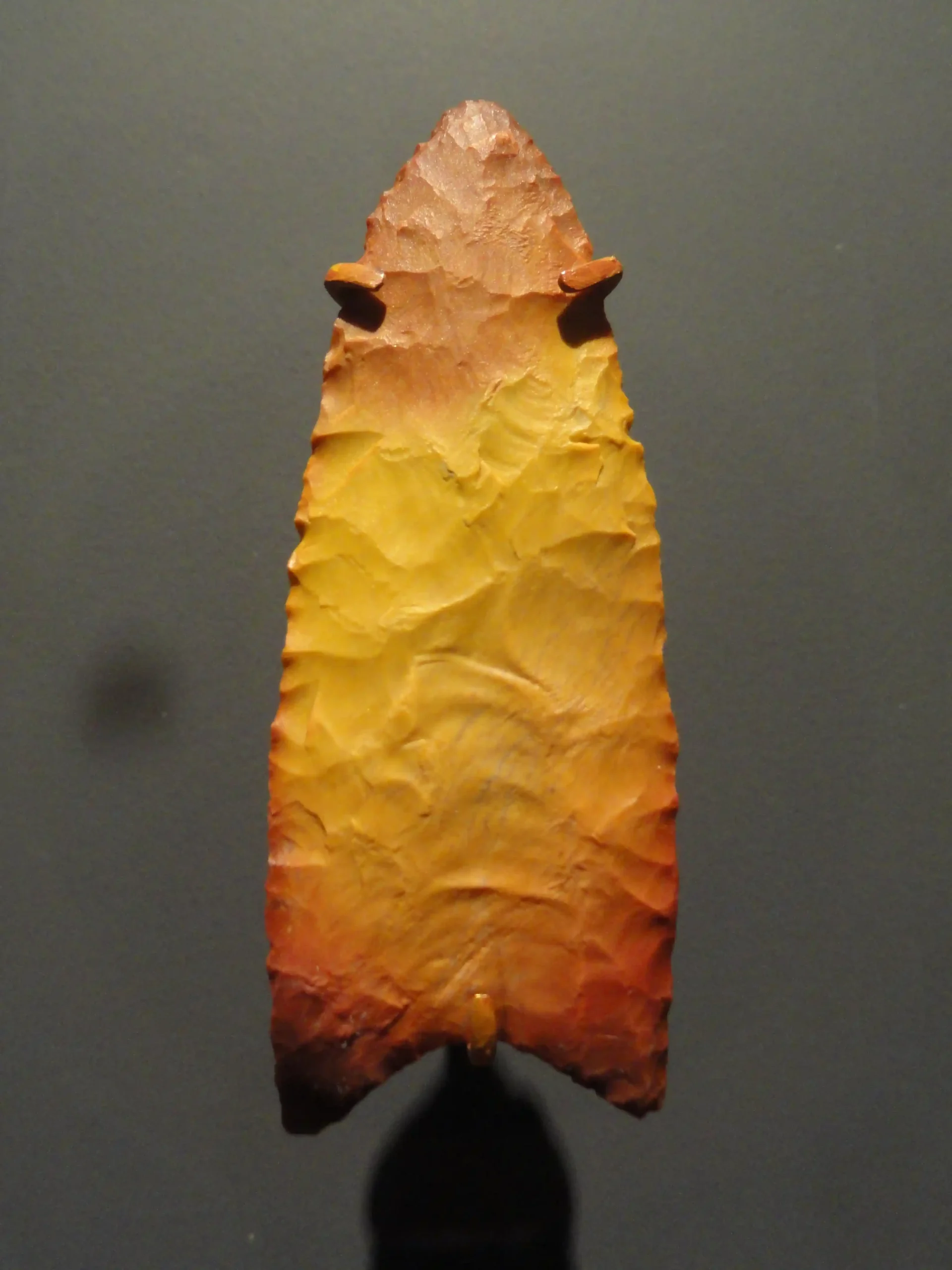
However, community members voiced growing concern over the threats of cultural dilution, identity complexities, and rapid assimilation facing indigenous groups in the district. Despite these challenges, several residents voluntarily donated sacred artefacts and personal heirlooms to the People’s Museum of RIWATCH, contributing significantly towards heritage preservation.
These donations will ensure the protection of culturally significant objects from theft, deterioration, and destruction, and present the community’s identity and indigenous knowledge systems on a global platform. The institute emphasized that the donated collections will serve as primary reference materials for research, education, and the transmission of cultural knowledge to future generations.
The Research Institute of World’s Ancient Traditions, Cultures and Heritage (RIWATCH) is a non-profit cultural research institute and ethnographic museum in Roing in Lower Dibang Valley district, dedicated to preserving indigenous tribal heritage and community traditions.