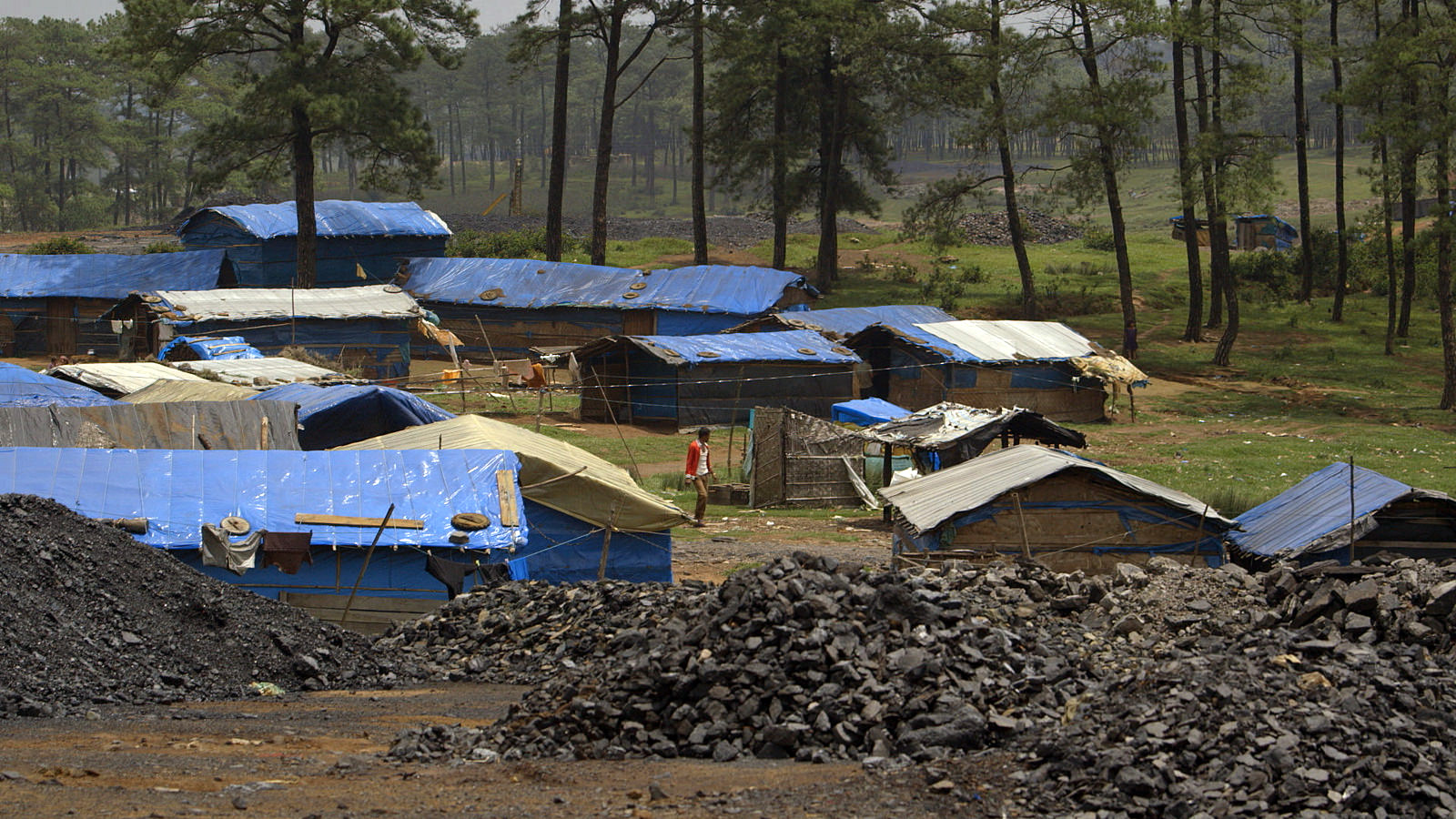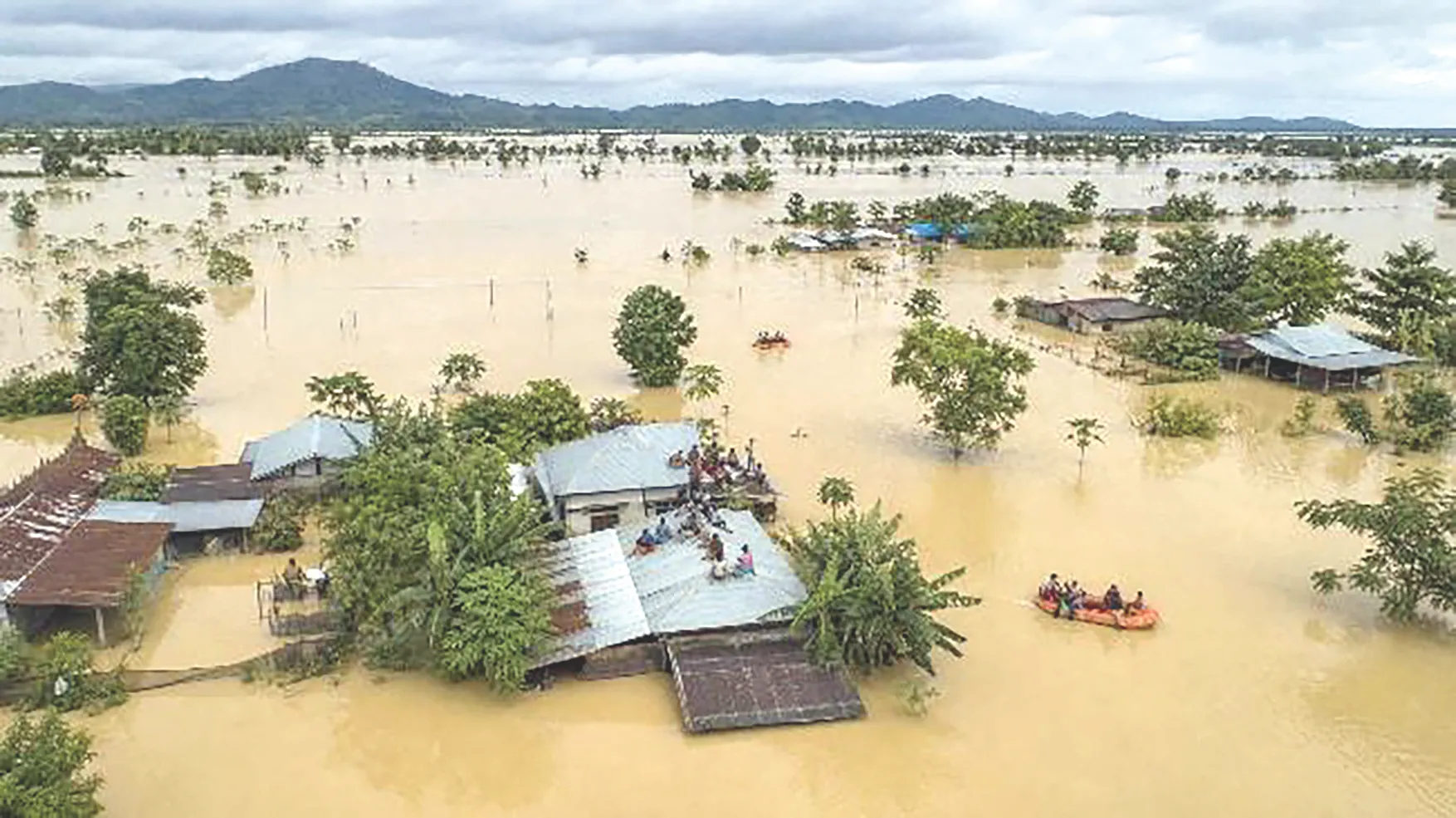
The recent floods in upper Assam have sparked intense debate regarding the primary causes of the inundation, with some blaming rains in Nagaland for the disaster. However, a closer examination of the scientific facts reveals a more complex reality.
The Konyak Union has issued a strong statement in response to allegations and claims on social media that a cloud burst in Nagaland caused the flood that affected several districts in Upper Assam. Assam Chief Minister Himanta Biswa Sarma initially suggested that a cloudburst in the hills may have precipitated the flood, but later retracted this statement, citing a report from the Indian Meteorological Department that found no evidence of such an event.
A comprehensive analysis of the July 2026 floods in upper Assam reveals that the causes of the disaster are far more complex than simply blaming the hills. The region experienced an unprecedented weather event, with Charaideo in Assam recording rainfall 436% above normal during the same period. The plains were already saturated and receiving intense rain, leaving virtually no room for natural drainage.
Furthermore, human modifications in the plains have worsened the natural vulnerability of the area to flooding. Urbanization has replaced absorbent soil and vegetation with impervious surfaces like roads and roofs, eliminating natural water storage and accelerating runoff. Rapid urban growth has also outpaced the development of drainage infrastructure, resulting in undersized drains that cannot handle the increased volume of water.
The scientific consensus is clear: upstream and downstream areas are hydrologically linked, and effective flood management requires a catchment-based approach rather than assigning blame to a single segment. Addressing this recurring crisis demands coordinated action, including rigorous watershed management and reforestation in the hills, as well as strengthening embankments, restoring wetlands, and upgrading drainage infrastructure in the plains.
Ultimately, blaming the hills ignores the complex, system-wide nature of flood generation. Only through collaborative, science-based strategies across state borders can the region hope to mitigate the devastating impacts of future monsoons.