A remarkable discovery has been made in a village well in Assam’s Goalpara district, shedding new light on the region’s underground ecosystem. A blind, blood-red eel, identified as Rakthamichthys anchi, has been found living in the groundwater beneath the surface. This extraordinary find has been described in the latest issue of the peer-reviewed journal Zootaxa, marking the first subterranean swamp eel of its genus to be recorded from Northeast India.
The discovery was made by a team of researchers from the Senckenberg Natural History Collections Dresden, Germany, and Assam Don Bosco University, Guwahati, who collected four specimens from two dug-out wells in a village in Goalpara district. The exact location of the discovery has been withheld to protect the species from potential threats. The eel’s striking blood-red appearance is due to its translucent skin, which allows its blood vessels to show through, inspiring the name ‘anchi,’ the Garo word for ‘blood.’
The discovery is significant not only because of the species’ unique characteristics but also because it comes from the same village where scientists recently described another underground fish species, Gitchak nakana. This suggests that the aquifers beneath Assam may support an entire ecosystem that has remained hidden from science. Researchers used high-resolution micro-computed tomography to create detailed three-dimensional images of the eel’s skeleton and DNA analysis to confirm its genetic distinctness from known members of the genus.
Rakthamichthys anchi can breathe atmospheric air, enabling it to survive in oxygen-poor groundwater, and lacks the fins found in most fishes, giving it a slender, worm-like body adapted to moving through narrow subterranean spaces. Co-author Yumnam Lokeshwor emphasized the urgent need to protect the little-known ecosystems that exist beneath the ground, stressing that excessive water extraction from aquifers could put pressure on these underground paradises.
The discovery opens up exciting scientific questions about how such species survive in complete isolation beneath the Earth’s surface. Lokeshwor noted that understanding how they communicate and their resilience and survival under the crust of the Earth could provide a better understanding of the living world. The discovery adds to growing evidence that while Northeast India’s forests and rivers have been extensively studied, the region’s underground aquifers remain one of its least explored frontiers, with the potential to reveal many more species unknown to science.
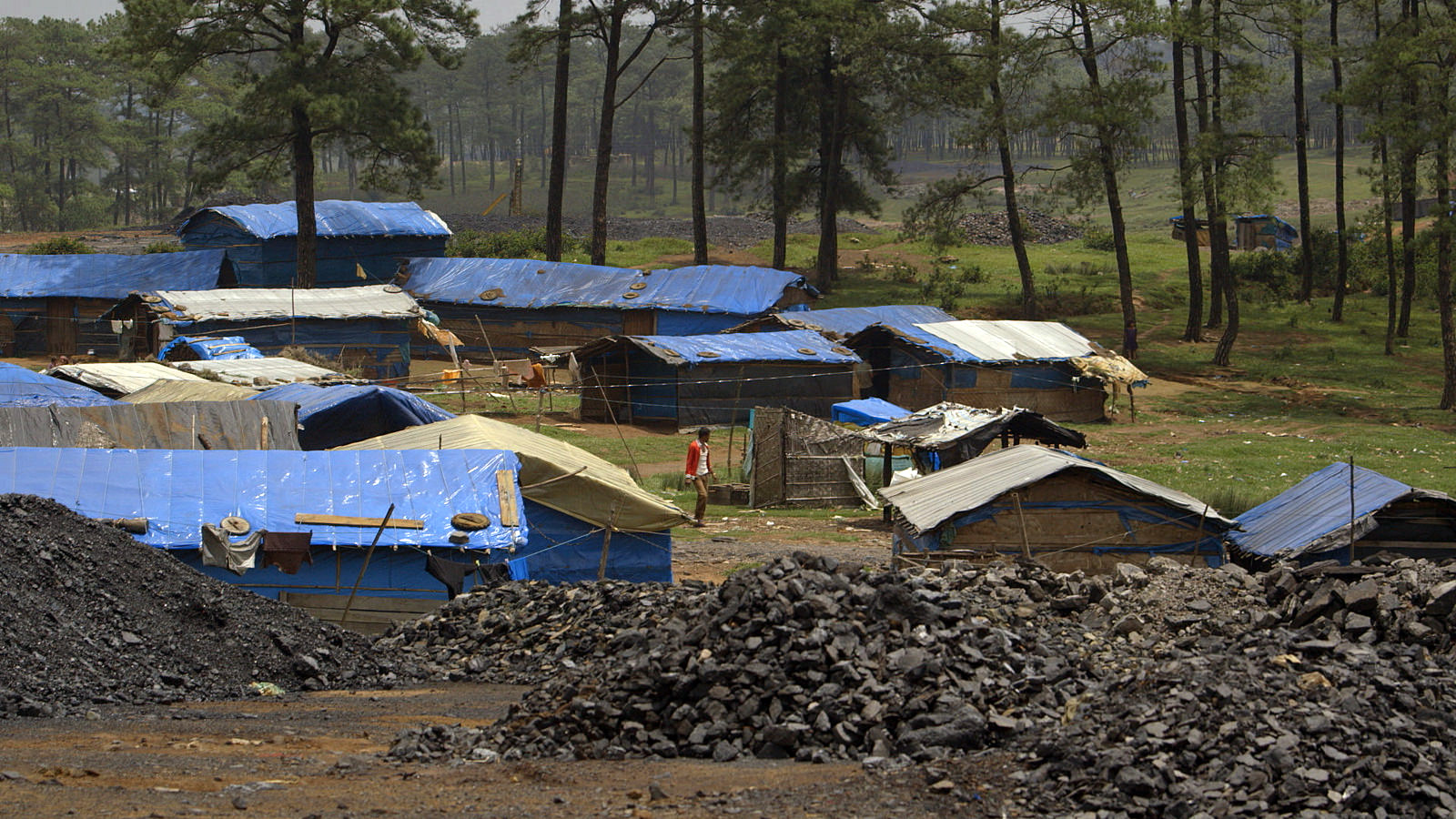
The discovery highlights the importance of exploring and conserving the region’s underground resources, particularly in the context of the Indo-Burma Biodiversity Hotspot, where illegal rat-hole mining continues in several areas. The government has been urged to take initiative to develop strategies to conserve these resources and protect the unique ecosystems that exist beneath the ground.