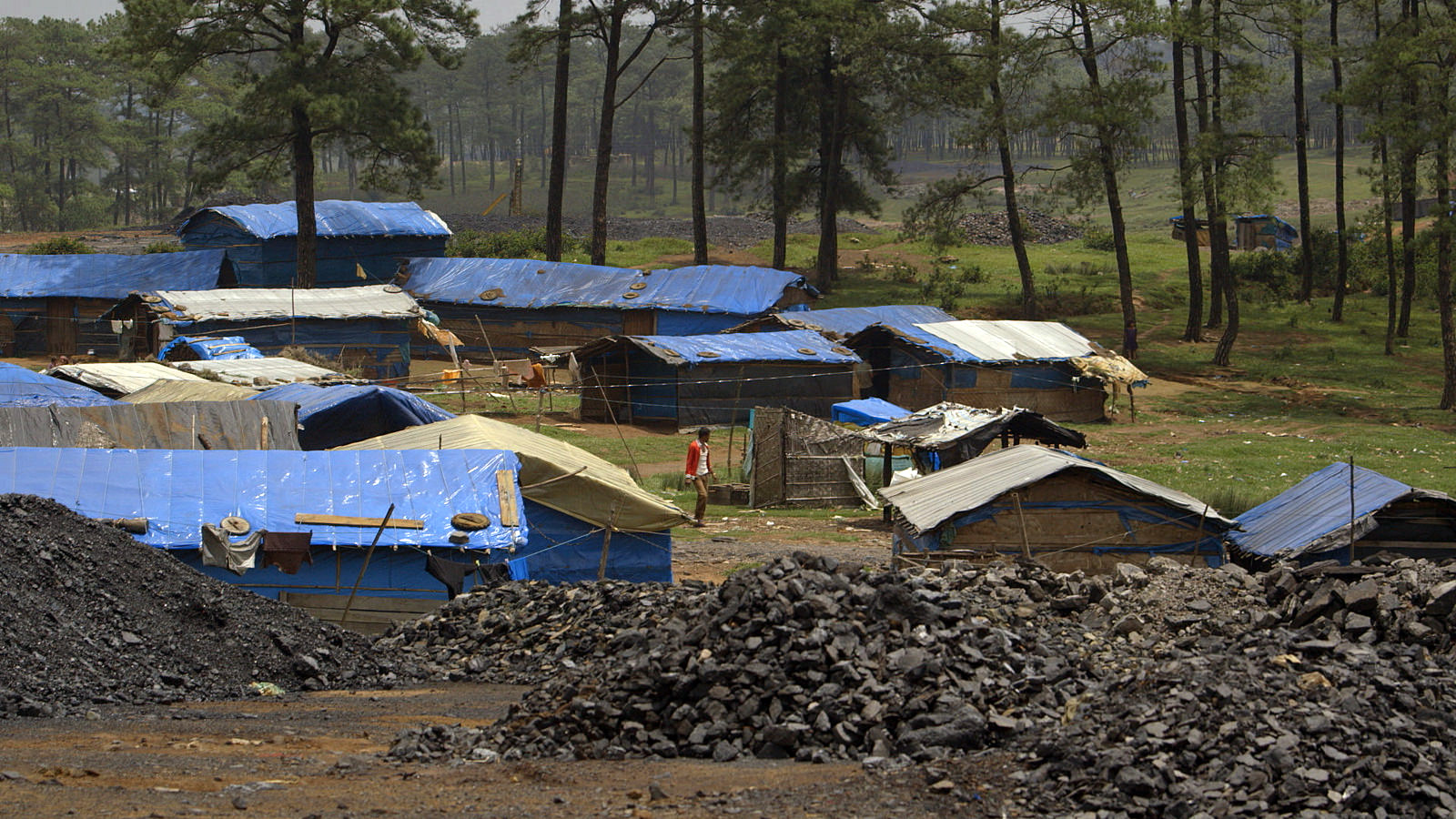
Arunachal Pradesh, often referred to as the green jewel of India, boasts over 80% forest cover, making it home to one of the richest biodiversity regions in the world. The state’s forests are not merely landscapes, but the lifeline of indigenous communities, the source of mighty rivers, a carbon sink, and an ecological shield that benefits not only Arunachal but the entire nation. Today, Arunachal stands at the centre of India’s hydropower and strategic infrastructure ambitions.
Large hydropower projects, such as the Kamala Hydroelectric Project, Kalai-II, Etalin, and the proposed Siang Multipurpose Project, along with highways, transmission corridors, border roads projects, and other infrastructure initiatives, represent major investments aimed at strengthening India’s energy security, connectivity, and national interest. These projects, however, come with an environmental cost. Thousands of hectares of forest land have already been diverted or are proposed for diversion for various development projects across Arunachal.
While each project follows its own approval process, the cumulative impact on forests, rivers, biodiversity, and indigenous communities requires greater public attention. The Van (San Rakshan Evam Samvardhan) Rules, 2023 allow compensatory afforestation outside a state under certain conditions. The Kamala Hydroelectric Project provides an important example, with approximately 3,278.0904 hectares of unclassed state forest land proposed for diversion.
As per information received through the Right to Information (RTI) Act from the office of the principal chief conservator of forests (PCCF), the estimated net present value (NPV) assessed for the forest diversion under the Kamala Hydroelectric Project is Rs 4,709,534,135 (approximately 470.95 crore). Compensatory afforestation over approximately 6,556.1808 hectares has been proposed in degraded forest land outside Arunachal, including Madhya Pradesh, with an estimated compensatory afforestation cost of around Rs 470.93 crore. This raises an important ecological question: if Arunachal’s forests are diverted for national development, but ecological restoration takes place outside the state, who will restore Arunachal’s own forests and ecosystems?
The forests of Arunachal are not simply a number of hectares, but represent biodiversity, wildlife habitat, watershed protection, climate regulation, indigenous traditions, and the ecological security of future generations. Arunachal is contributing immensely to India’s development, and it is only fair that the ecological future of the state receives equal importance. The question is simple, but profound: If Arunachal is expected to sacrifice its forests for national development, who will restore Arunachal’s forests?
This issue encourages a meaningful and constructive public discussion among policymakers, environmental experts, researchers, and citizens. It is an appeal for environmental justice, transparency, and sustainable development, ensuring that environmental compensation generated from the state’s forests substantially contributes towards restoration of degraded forests, protection of biodiversity, catchment area treatment, conservation of river ecosystems, and strengthening ecological security of affected regions. A transparent mechanism should also ensure that citizens know how much forest land is diverted, what environmental compensation is generated, where compensatory afforestation is undertaken, and how ecological restoration benefits reach the affected state and communities.
Development should not be measured only by megawatts generated or kilometres of roads constructed, but also by how responsibly we protect the natural heritage that sustains life. I hope this issue encourages a meaningful and constructive public discussion among policymakers, environmental experts, researchers, and citizens. - Khyoda Appang, Dariya Hill, Itanagar