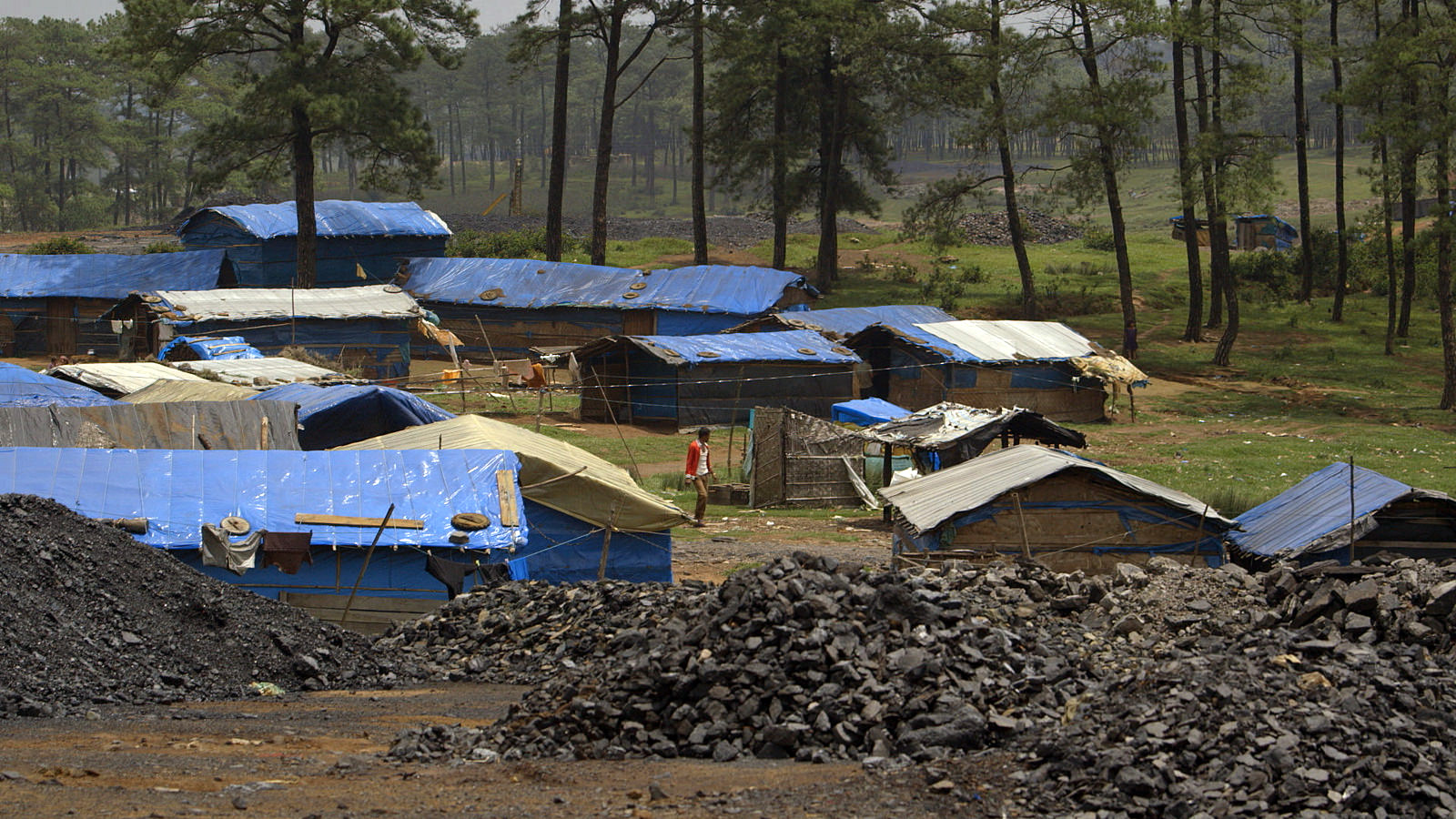
A fundamental moral question has been raised regarding the use of public money to finance armed militant groups in Manipur. The Suspension of Operations (SoO) agreement, signed with Kuki militant outfits in 2008 as a temporary confidence-building measure, has continued for seventeen years without a political settlement. This arrangement has raised ethical concerns, as it involves the use of taxpayers’ money to provide stipends, rations, accommodation, and logistical support to cadres, with a cumulative expenditure of hundreds of crores of rupees over the years.
The issue at hand is no longer just about maintaining peace, but about whether the Government of India should sustain armed groups indefinitely with taxpayers’ money. This question assumes greater significance when allegations surface that Kuki outfits operating under the SoO agreement have violated the ground rules during the Meitei-Kuki ethnic conflict and in relation to the Nagas.
In contrast, the Naga peace talks, which have continued for nearly three decades since the ceasefire of 1997, do not require the Government of India to finance the upkeep of Naga cadres through monthly stipends, rations, accommodation, or other recurring public expenditure. The negotiations have therefore not imposed a comparable financial burden on the public exchequer.
The Suspension of Operations agreement was conceived as a temporary security arrangement to facilitate political dialogue and settlement. Seventeen years later, the question is no longer whether political dialogue should continue, but whether the indefinite expenditure of public funds on maintaining armed groups, which are frequently alleged to have violated the ground rules, can be justified when no tangible breakthrough appears to be in sight.
The Ministry of Home Affairs must answer three simple questions: Why has the political process under the SoO agreement remained unresolved after seventeen years? What measurable outcomes justify the continued expenditure of public funds? And if repeated allegations of violations of the SoO ground rules are true, why has the agreement not been fundamentally reconsidered?
These questions are not directed against any community but rather at the Government of India. They concern the ethical use of public funds, the credibility of the peace process, and the State’s responsibility to ensure that temporary arrangements do not become permanent liabilities. Ultimately, this is not just Manipur’s question, but India’s question.
The use of public funds to finance armed groups raises questions about accountability, transparency, and the State’s responsibility to ensure that temporary arrangements do not become permanent liabilities. The government owes its citizens not only transparency in expenditure but also accountability for outcomes. Public money cannot become an open-ended subsidy for armed outfits without measurable progress towards peace.