On September 29, Burkina Faso inaugurated its first gold refinery in Ouagadougou, marking a key step toward economic sovereignty under the military‑led government that seized power in 2022.
President Ibrahim Traore declared that gold extracted in Burkina Faso must be processed, controlled, valued and certified within the country. The new Raffinor‑BF refinery represents the junta’s commitment to retain full value chain control.
The move follows a regional trend in West Africa, where governments are rewriting mining codes, banning raw gold exports, and increasing state ownership. Guinea and Ghana have already restricted gold exports, while Mali is building a refinery with Russia’s Yadran Group and Ivory Coast plans to open one next year.
Raffinor‑BF covers five hectares and can process 164 tonnes of gold annually, with a planned expansion to 515 tonnes. The facility cost more than 11 billion CFA francs (about USD 19 million) and was financed by the state, the National Precious Metals Company (SONASP), and private investors.
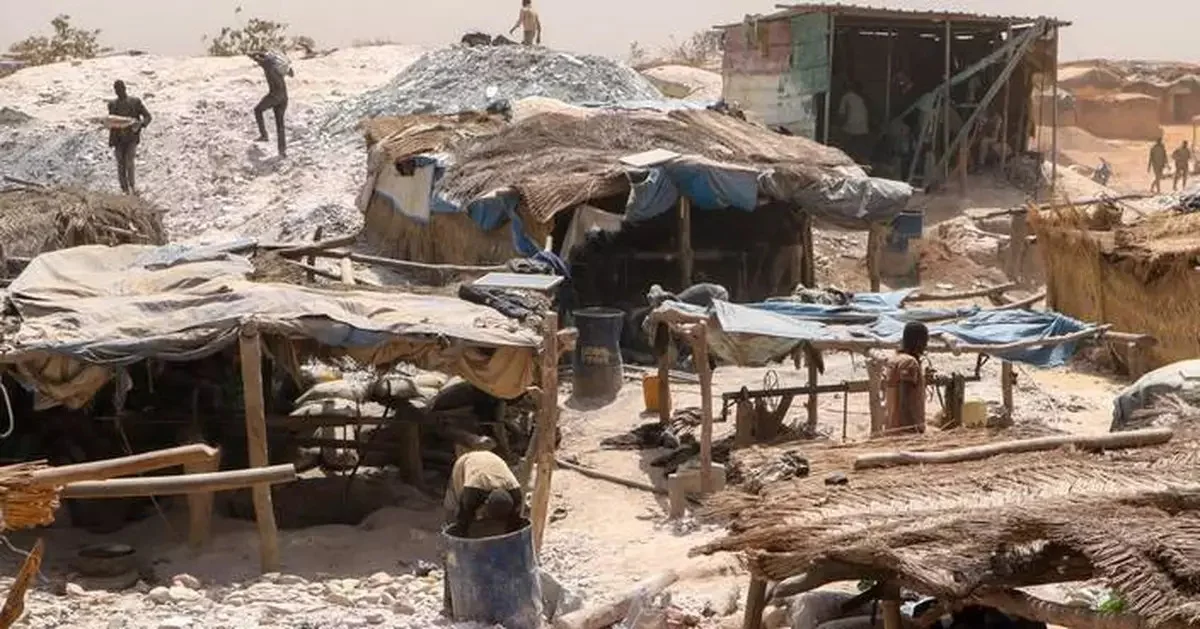
Burkina Faso’s gold sector has been disrupted by escalating extremist violence linked to al‑Qaida and the Islamic State, and the junta has faced accusations of civilian killings, media crackdowns, and forced conscription. The refinery’s launch signals an effort to turn natural resources into a catalyst for domestic development amid ongoing security challenges.