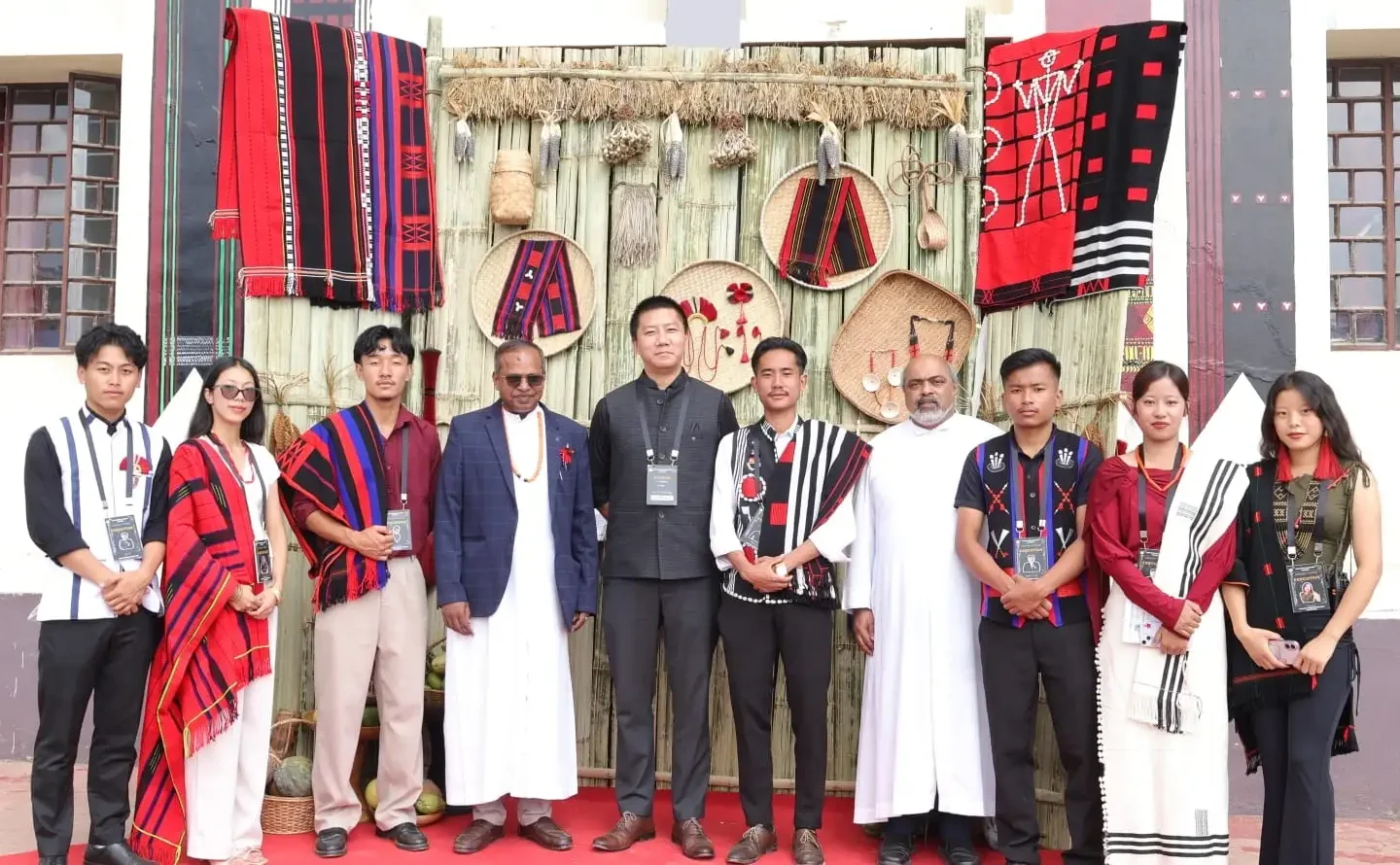
In a one‑day workshop titled “Food Safety & Nutrition: A Technical Perspective” held in Shillong, Meghalaya Deputy Commissioner of Food Safety (Technical) Dr Wadamika Ly Lyngdoh emphasized that food safety and nutrition are two interdependent pillars of public health. The event, organised by the State Food Testing Laboratory (SFTL), welcomed students and faculty from Vidyasagar University, West Bengal, and other professionals.
Ly Lyngdoh explained that safe food is essential for a healthy diet and proper growth, while nutrition ensures adequate intake of nutrients needed for development and well‑being. She outlined that food can be exposed to biological, chemical and physical hazards at every stage of the food chain—from production and harvesting to processing, transportation, storage and preparation. Biological hazards include bacteria, viruses and parasites; chemical hazards include pesticide residues, heavy metals, toxins and inappropriate additives; and physical hazards involve foreign objects such as glass, metal, stones or plastic.
The Deputy Commissioner stressed that good nutrition alone is insufficient if food is not hygienically prepared, properly stored and safely handled. She highlighted prevention measures such as hand hygiene, correct cooking temperatures, avoidance of cross‑contamination, adequate refrigeration and use of safe water. She also noted that food testing laboratories play a vital role in identifying contaminants through microbiological, chemical and other analytical tests and in ensuring compliance with safety standards.
The workshop covered technical aspects of food safety, including microbiology, chemistry, physics, nutrition science, food processing, technology, quality control, public health regulation, the farm‑to‑fork approach and sustainability. Participants visited the SFTL’s Chemical, Microbiology and HEE units, interacted with laboratory personnel and learned about sample handling, testing, analysis and reporting. The programme aimed to bridge academic learning with practical laboratory applications and to create opportunities for internships, training, research and collaboration among the institutions involved.