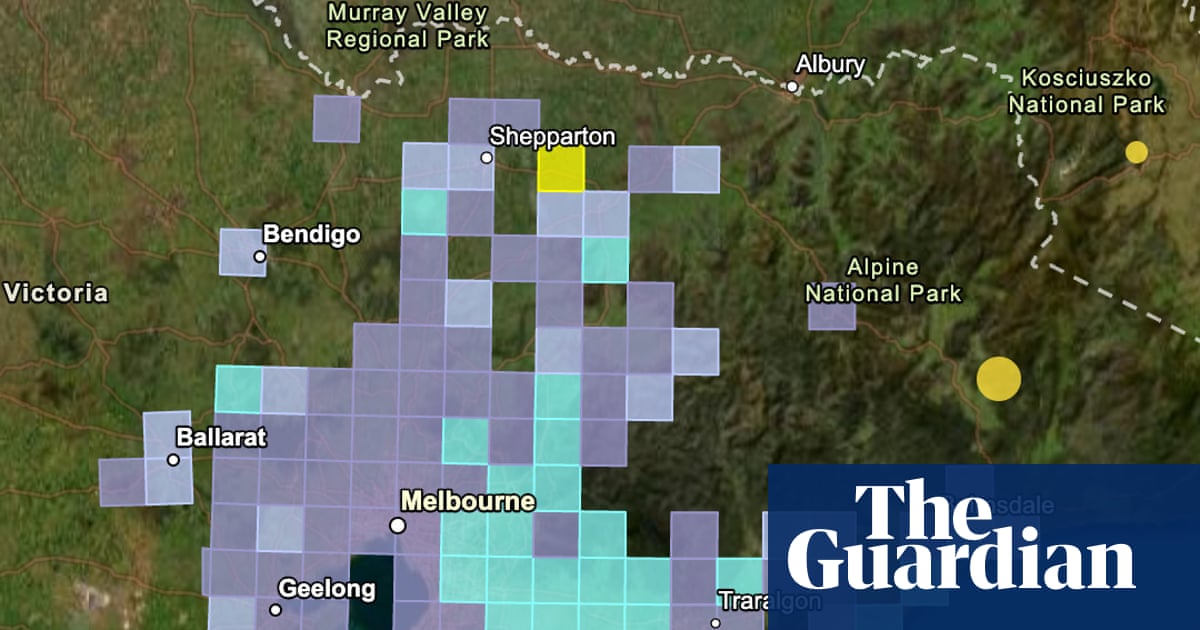
A magnitude 4.8 earthquake struck Victoria early Saturday morning at 2.01 a.m., with its epicentre near Leongatha, about 130 kilometres southeast of Melbourne. Geoscience Australia recorded the quake at roughly 10 kilometres below the surface, and the shaking was felt across the city’s eastern suburbs.
The agency received thousands of reports from residents who claimed to feel the tremor. Social‑media posts from people in Narre Warren, Garfield, Preston, Heidelberg Heights, Venus Bay and other parts of Melbourne described the experience, with one neighbour saying the quake “shook our house in Garfield” and another noting it woke them up.
This event was the largest recorded in Victoria since the 5.0 quake on the Great Ocean Road in 2023. An aftershock of magnitude 3.1 was detected 55 minutes later, and a 3.3 event had occurred earlier that week near Yarram, about 80 kilometres east of Leongatha.
Victoria’s State Emergency Service urged residents to remember earthquake safety drills, advising people to drop to the ground, take cover under sturdy furniture and protect their heads until the shaking stops. The Bureau of Meteorology confirmed there was no tsunami threat.
Associate Professor Mark Quigley of the University of Melbourne explained that South Gippsland is a seismically active region where aftershocks can be felt for weeks. He noted the quake involved a slip of five to ten centimetres in a two‑by‑three‑kilometre block of rock and advised residents to assess potential hazards in their homes, recalling that larger quakes of magnitude six or seven have occurred in the past and would cause widespread damage if they were to happen again.