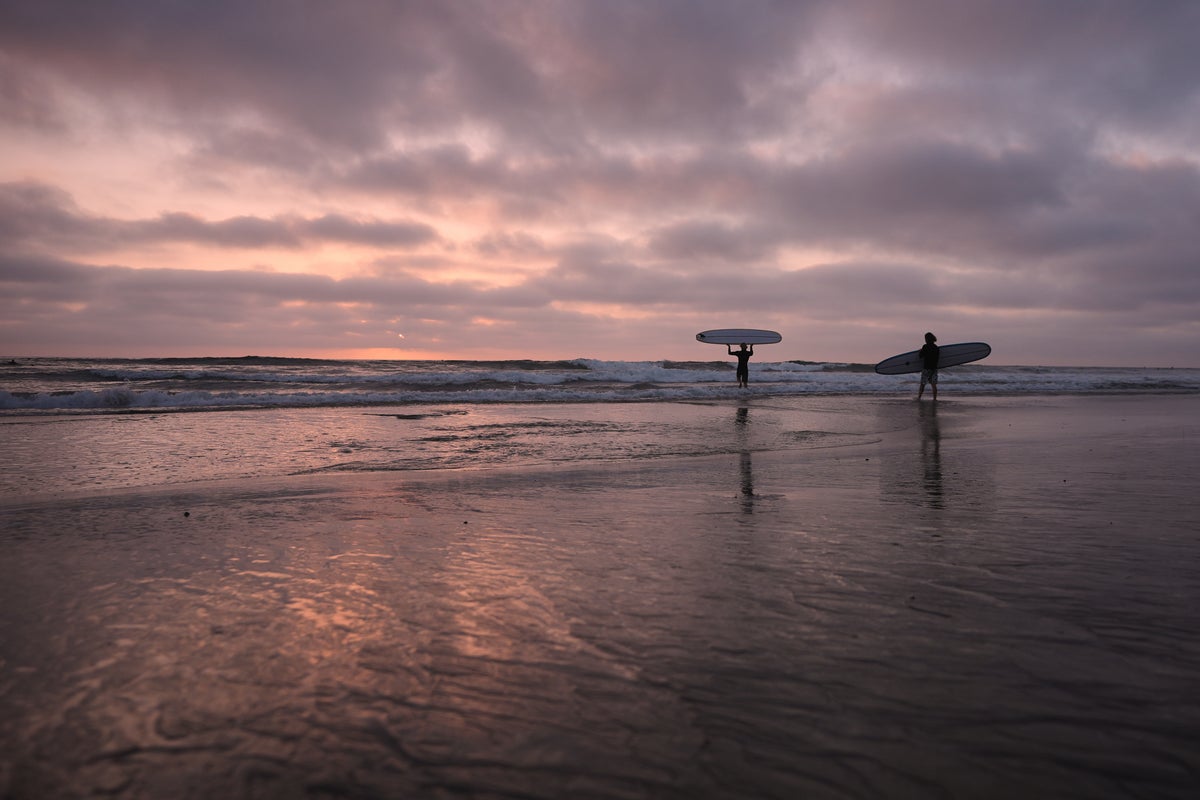
A series of Kelvin waves—elongated bulges of warm water—are set to raise sea levels along the West Coast by up to a foot this month. The waves, which travel northward at roughly 6 miles per hour, will add a 6‑inch to 1‑foot surge to already elevated tides, amplifying the risk of beach erosion and flooding in areas already stressed by climate change and the ongoing El Niño.
Kelvin waves differ from tsunamis; they do not crest and crash on shorelines. Instead, they act like a slow, rolling swell that lifts the water level as they move along the coast. They form when trade winds near the equator shift direction, pushing a bulge of warm water eastward until it reaches South America and then travels north and south along the Americas.
The higher baseline sea level means that during high tides, storms, or storm surges the water will be 6 inches higher than normal, magnifying erosion and flooding. The waves also warm the surface and push cold, nutrient‑rich water deeper, affecting marine life. Historically, strong El Niño events such as 1982‑83, 1997‑98, and 2015‑16 produced the worst erosion on the West Coast.
State officials are responding by deploying emergency sand on beaches and declaring a state of emergency to accelerate protective measures. California’s governor has called for rapid resource deployment, while Washington’s Department of Natural Resources is on standby. The full impact will depend on the strength of accompanying storms and tides, but experts warn that this winter could see one of the largest El Niño events ever recorded.