On Sunday, as polling closed in Russia’s parliamentary elections, Ukraine carried out one of its largest drone strikes on Moscow in more than four years. Images from the city showed a refinery ablaze and smoke billowing from its chimneys. Mayor Sergei Sobyanin described the attack as the most massive the region had seen, with over 450 drones intercepted.
According to the International Energy Association, all but five of Russia’s 32 major oil refineries have avoided attack since the war began, though some have been hit up to 15 times. The refineries that remain untouched lie 3,500 to 6,500 kilometres from the border in eastern Siberia and the far east. The IEA reports that the strategy has intensified over the past 18 months, causing throughput to fall to its lowest level in more than 20 years by June, with gasoline output down 20 per cent and diesel production down nearly 30 per cent compared with 2024.
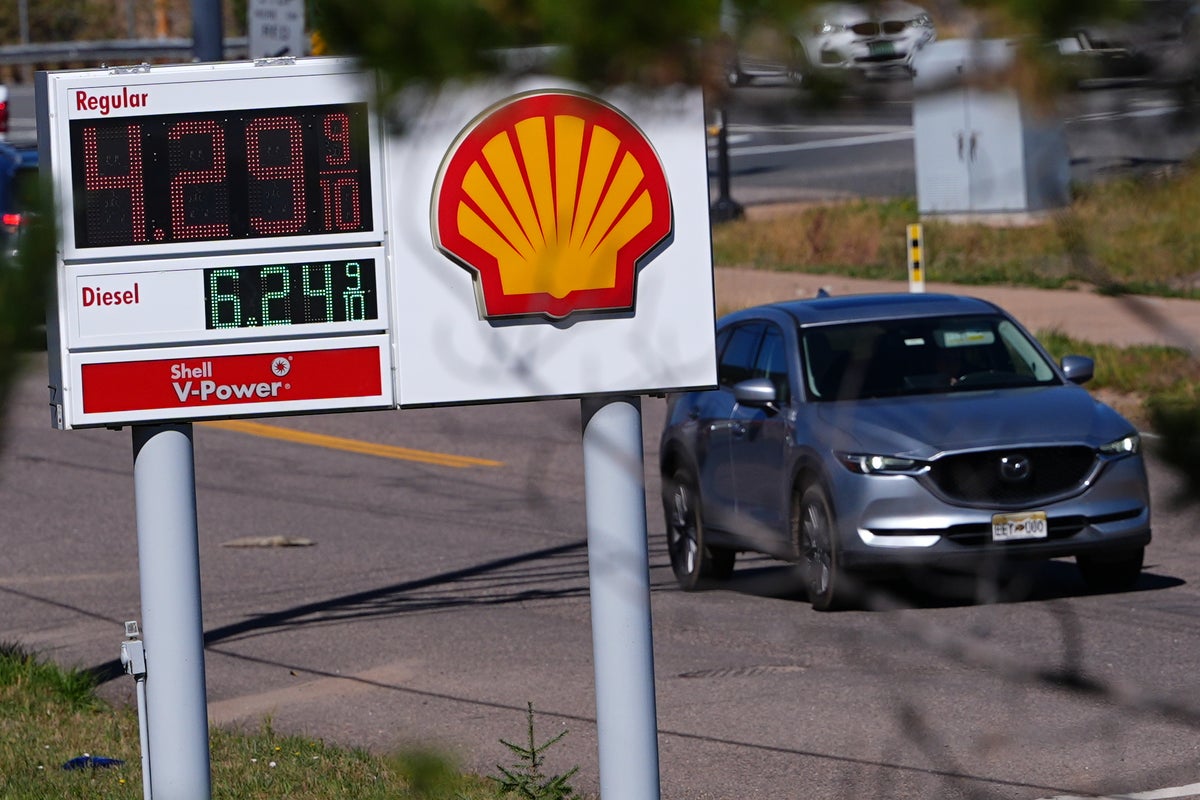
Fuel shortages have spread across 92 per cent of Russia’s regions, with two‑thirds of them introducing rationing measures. Queues at filling stations have stretched up to 40 hours, and oil and gas prices have risen sharply. The crisis has forced the government to restrict oil exports to protect domestic supplies, and the General Staff estimates that Russia’s total refining capacity has dropped by 45 per cent.
Ukraine’s strategy focuses on striking specific refinery units—crude distillation units and secondary units such as fluid catalytic crackers and hydrocrackers—to maximise damage. While crude units can be repaired in a week or two, secondary units may take six to eight months to restore. Analysts estimate the cost of damage, lost production and disruption at around $20 billion, while Reuters notes that Russia’s oil and gas revenue rose 60 per cent due to higher global prices, complicating the long‑term effectiveness of the campaign. The attacks have also had a psychological impact, bringing the war into the daily lives of Russians who had previously been insulated, and have prompted political actions such as the removal of the Yabloko party from recent elections.

.jpg?trim=1,0,1,0&width=1200&height=800&crop=1200:800)