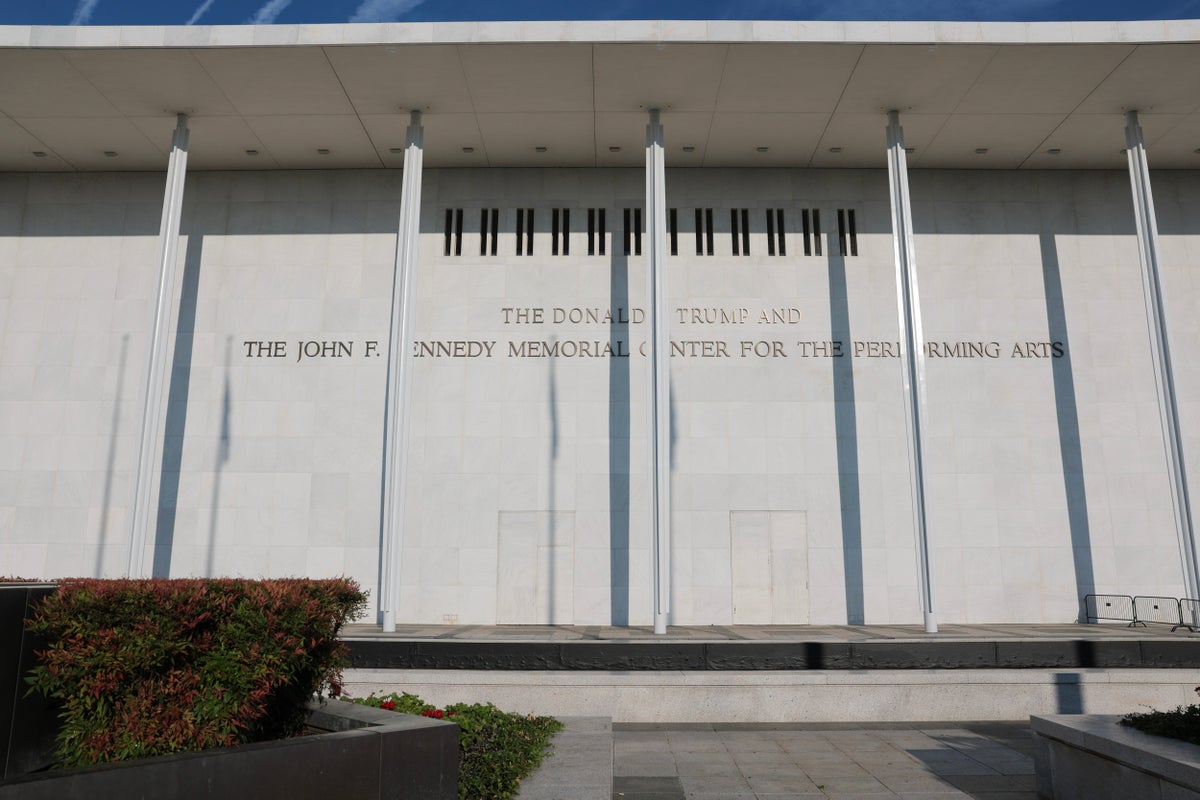
A federal judge has ordered the Kennedy Center to provide additional financial records as part of a lawsuit that examines former President Donald Trump’s involvement in the arts institution’s operations. The judge has not yet ruled on the Department of Justice’s claim that executive privilege protects the requested information.
The DOJ argues that conversations concerning Trump’s role as chairman of the Kennedy Center are covered by executive privilege, a legal doctrine that allows presidents to keep certain communications confidential. The claim is unusual because Trump serves simultaneously as president and as a nonprofit board chair, a situation that raises questions about the scope of the privilege.
During recent depositions, DOJ attorneys instructed the Kennedy Center’s executive director, Matt Floca, not to answer questions about his discussions with Trump and his advisers. In one instance, a DOJ lawyer told Floca, ‘Executive privilege on that. Don’t answer that,’ when a lawyer for Representative Joyce Beatty asked about Commerce Secretary Howard Lutnick’s initial contact with Floca regarding the center.
Beatty, who has sued to halt the renaming of the Kennedy Center and its planned two‑year closure, argues that the use of executive privilege in this case would obstruct the search for truth. Jonathan Shaub, a law professor and former DOJ employee, noted that the privilege does not apply when the president is not acting in his presidential capacity. Beatty’s lawyers emphasize that Trump’s decisions as chair are central to the board’s actions and therefore subject to disclosure.



.jpg?trim=1,0,1,0&width=1200&height=800&crop=1200:800)