President Donald Trump announced a deal with Russian President Vladimir Putin to supply more than 300,000 tons of diesel immediately, followed by 500,000 tons in November and an additional 4 million tons later. The agreement marks a reversal of U.S. policy that has banned Russian oil imports since the start of Russia’s war with Ukraine. The move comes amid a global rise in oil prices linked to an eight‑month U.S. conflict with Iran.
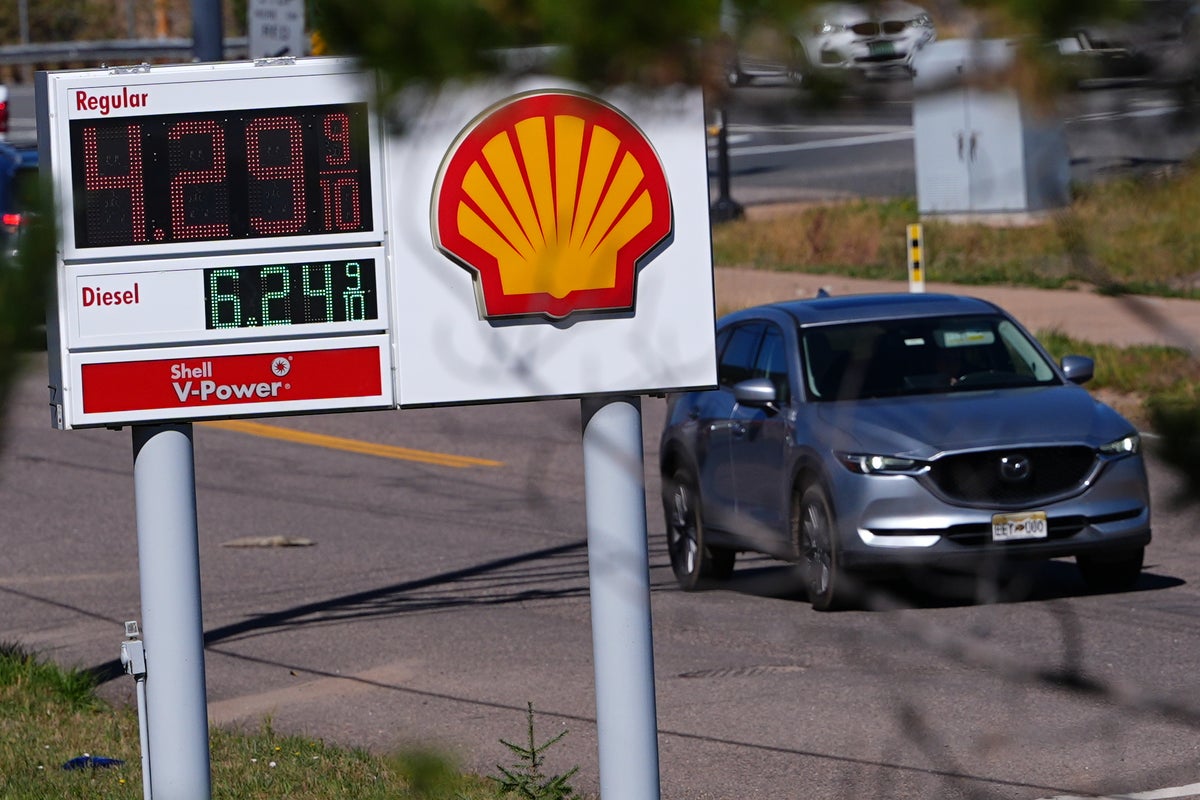
Diesel prices have surged, with the national average reaching a record $6.53 per gallon on September 22 and averaging $6.28 on Friday, compared with $3.68 a year earlier. High diesel costs raise transportation expenses for freight and delivery networks, leading businesses to pass fees onto consumers. Grocery shoppers see higher prices for perishable items that require frequent restocking and farm equipment powered by diesel.
Energy policy experts doubt that the additional Russian diesel will meaningfully lower prices. Michael Lynch of the Energy Policy Research Foundation described the move as “shuffling deck chairs on the Titanic,” noting that Russia’s existing customers would be displaced, keeping global prices stable. He added that any local price dip would be limited to areas such as New York‑New Jersey or Philadelphia.
Daniel Sternoff of the Columbia Center on Global Energy Policy said that while the influx could help stabilize prices, overall levels would remain high because Middle Eastern refining capacity is still below pre‑war levels due to disruptions in the Strait of Hormuz. The deal also benefits Russia, which seeks to offload summer‑grade diesel for heavier winter grades, according to Clayton Seigle of CSIS. Seigle said the arrangement would not materially lower U.S. or European prices but would relieve Moscow’s revenue squeeze.


.jpg?trim=1,0,1,0&width=1200&height=800&crop=1200:800)