Tehran has warned the United States and the broader Middle East that it will launch “painful strikes” against U.S. bases and interests in the region if Washington takes any action that it considers a mistake. The warning comes from the Khatam al‑Anbiya Central Headquarters, Iran’s main military command, which said it had received intelligence that Washington was preparing to resume actions against Tehran with the support of certain regional partners.
The threat follows President Donald Trump’s abrupt return to the White House from Camp David, where he had been scheduled to stay until Sunday. Trump’s early departure was not explained by the White House, and it coincided with a State Department security alert that warned Americans in the Middle East that hostilities between Saudi Arabia and the Iran‑backed Houthi rebels in Yemen could “escalate rapidly.” Eleven U.S. embassies in the region issued travel‑disruption warnings.
U.S. Central Command has reported that the cost of the war with Iran has risen to $43.6 billion as of September 3. The figure, submitted to members of Congress, shows an increase of more than $6 billion in weapons and munitions costs over the previous month, bringing the total to about $28.1 billion. The estimate also includes the operation of warships, aircraft, military bases, equipment losses and medical support for U.S. forces, but does not account for damage to U.S. bases from Iranian ballistic‑missile and drone attacks.
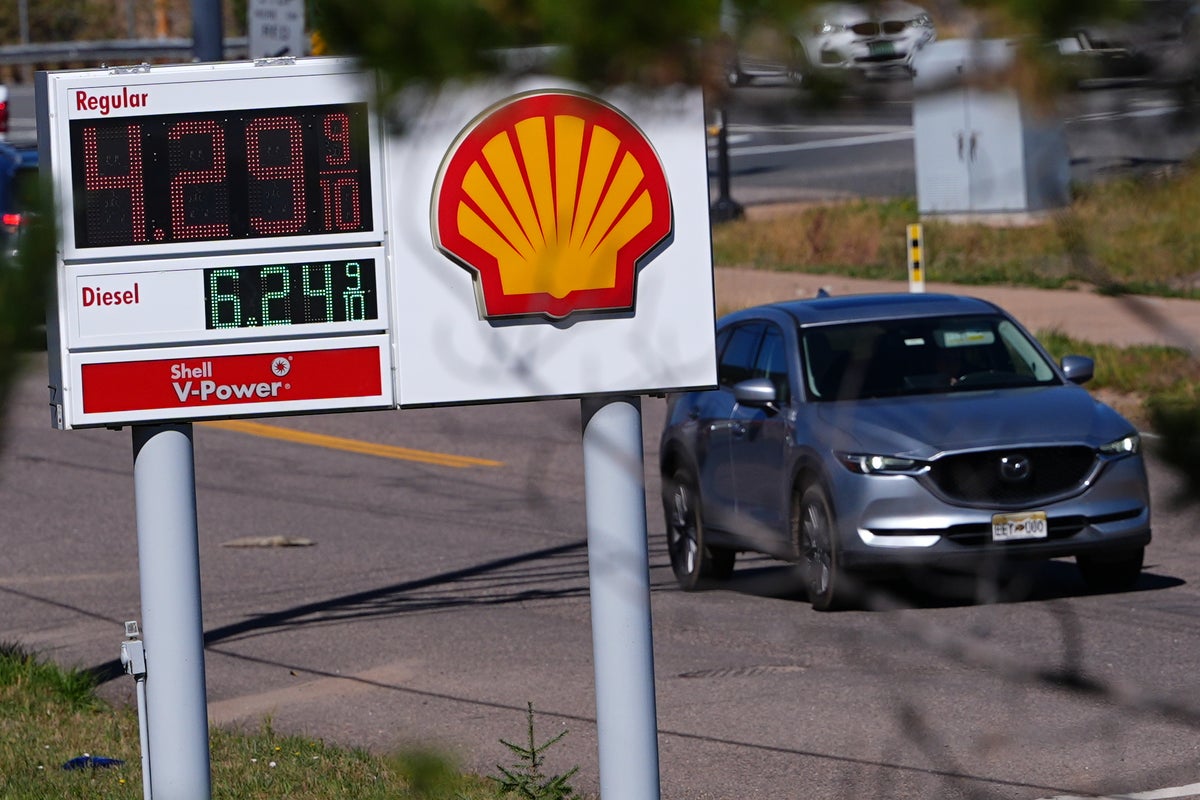
Minneapolis Federal Reserve President Neel Kashkari said on Sunday that inflation across the U.S. economy remains too high, even after stripping out volatile energy and food prices. He noted that crude‑oil prices had risen sharply after U.S. and Iranian forces attacked oil tankers in the Strait of Hormuz and that Saudi Arabia had shut its East‑West pipeline in response to aerial attacks. Kashkari supported the Fed’s recent decision to raise interest rates to 3.75‑4 percent, after previously dissenting at an earlier meeting when rates were left unchanged.


.jpg?trim=1,0,1,0&width=1200&height=800&crop=1200:800)