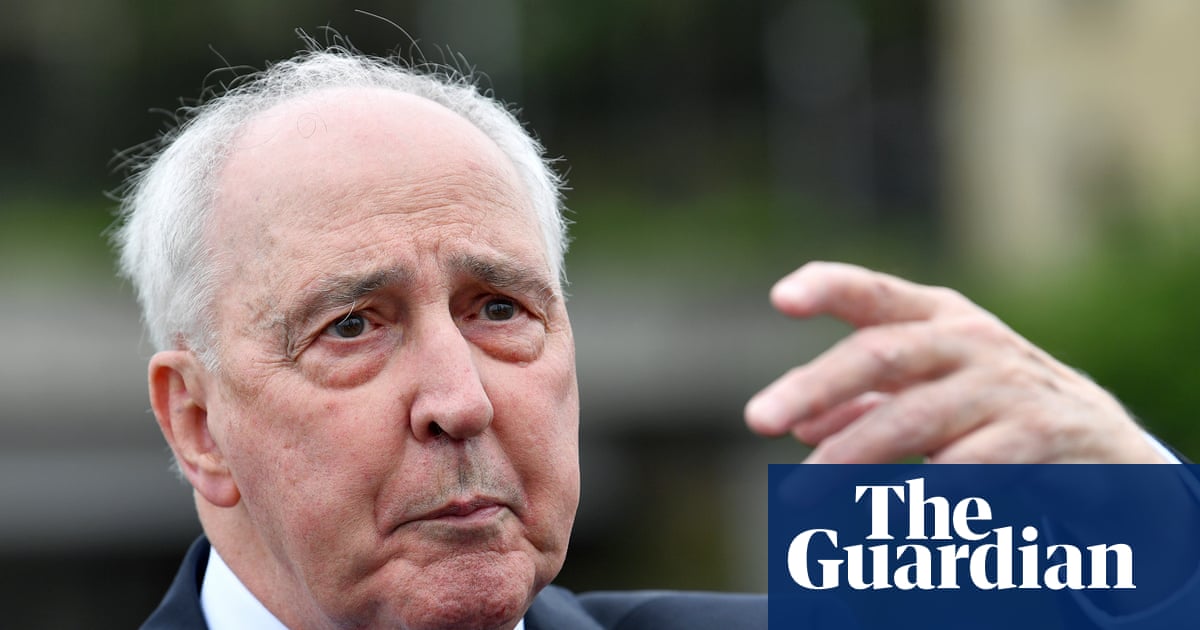
Paul Keating, former Australian prime minister, has warned that the Aukus submarine partnership could entangle Australia in a future U.S. conflict with China, a war he believes the United States would likely lose. He said the deal could leave Australia a target for retaliation and that its growing military integration with the U.S. would erode Australian sovereignty.
Keating’s remarks followed comments by U.S. Representative Michael McCaul, a China hawk who co‑chairs the Congressional Friends of Australia caucus. McCaul argued that closer U.S. military ties would better protect Australia and that U.S. nuclear‑powered submarines rotating through Australian bases could become nuclear‑armed after 2032. He also stated that Australian participation in a U.S. war over Taiwan was “assumed” by the U.S. military establishment.
During a recent visit to Australia, McCaul met with Prime Minister Anthony Albanese, Defence Minister Richard Marles and Foreign Affairs Minister Penny Wong. In Parliament, Greens Senator David Shoebridge criticized McCaul’s remarks, calling Australia a “beachhead” for U.S. forces and urging the end of Aukus to avoid becoming a war zone.
Under the Aukus agreement, Australia will purchase three Virginia‑class submarines in 2032 and later build five Aukus‑class submarines in South Australia, excluding nuclear reactors. U.S. policy of strategic ambiguity means the presence of nuclear weapons on Australian bases remains unconfirmed, though the Treaty of Rarotonga prohibits Australia from stationing nuclear weapons on its soil.


.jpg?trim=1,0,1,0&width=1200&height=800&crop=1200:800)