Police in Delaware announced that the remains found in Sellers Park in Wilmington in June 2011 have been identified as Hannah Graham Kleitz, a 29‑year‑old woman who died in 1907 from a medical illness. The identification came after a decade of scientific advances and a renewed investigation by the department’s Cold Case Squad.
The skull and other bones were first recovered in 2011 and initially described as belonging to a white female aged 25 to 50. A DNA profile was taken, but no match could be made at the time. In 2019, the Cold Case Squad revisited the case, noting that “there’s a lot of scientific changes with DNA and science” since the original recovery.
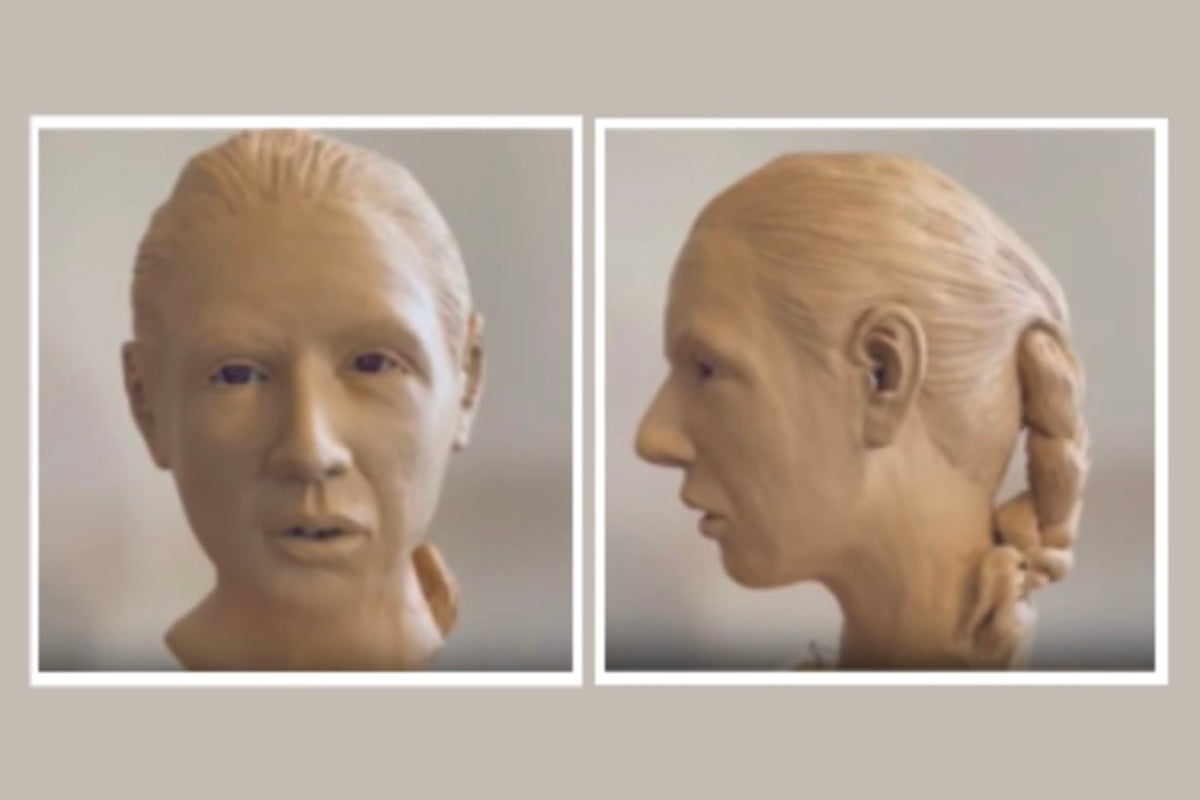
Investigators scanned the skull in three dimensions and sent the data to Joe Mullins, a forensic art professor at George Mason University, who produced a facial reconstruction to aid identification. Mullins explained that the process involves building up soft tissue features on a skull armature, revealing the woman’s likeness. Meanwhile, investigators also reached out to volunteers who shared ancestral information and DNA profiles nationwide.
A potential familial link was discovered through a genealogical tree in January, leading investigators to a relative who revealed that Hannah’s mausoleum and grave at Riverview Cemetery had been illegally accessed and desecrated in 2002. The relative reported that remains similar to those found at Sellers Park had been removed from the grave. DNA comparison later confirmed that the recovered remains matched Hannah Graham Kleitz.
On August 27, the extended family and authorities gathered at Riverview Cemetery to return the remains to her mausoleum. The New Castle County Division of Police thanked everyone who contributed time, compassion, and dedication to resolving the case and ensuring Hannah could finally be reburied in her rightful resting place. The Independent has contacted the Wilmington Police Department for comments on whether anyone has been charged in connection with the desecration of her grave.