Hundreds of thousands of Haitians face the prospect of imminent risk of arrest and deportation – to a home country racked with crime, violence, and political unrest – after the US officially stripped them of humanitarian protections that had allowed them to live and work legally in the United States for years. US district judge Ana Reyes confirmed that her order blocking the Department of Homeland Security (DHS) from ending temporary protected status (TPS) for Haiti was no longer in effect. This followed the supreme court ruling in June that upended judicial review of the program and opened the door for immigration enforcement to track down and detain Haitians en masse.
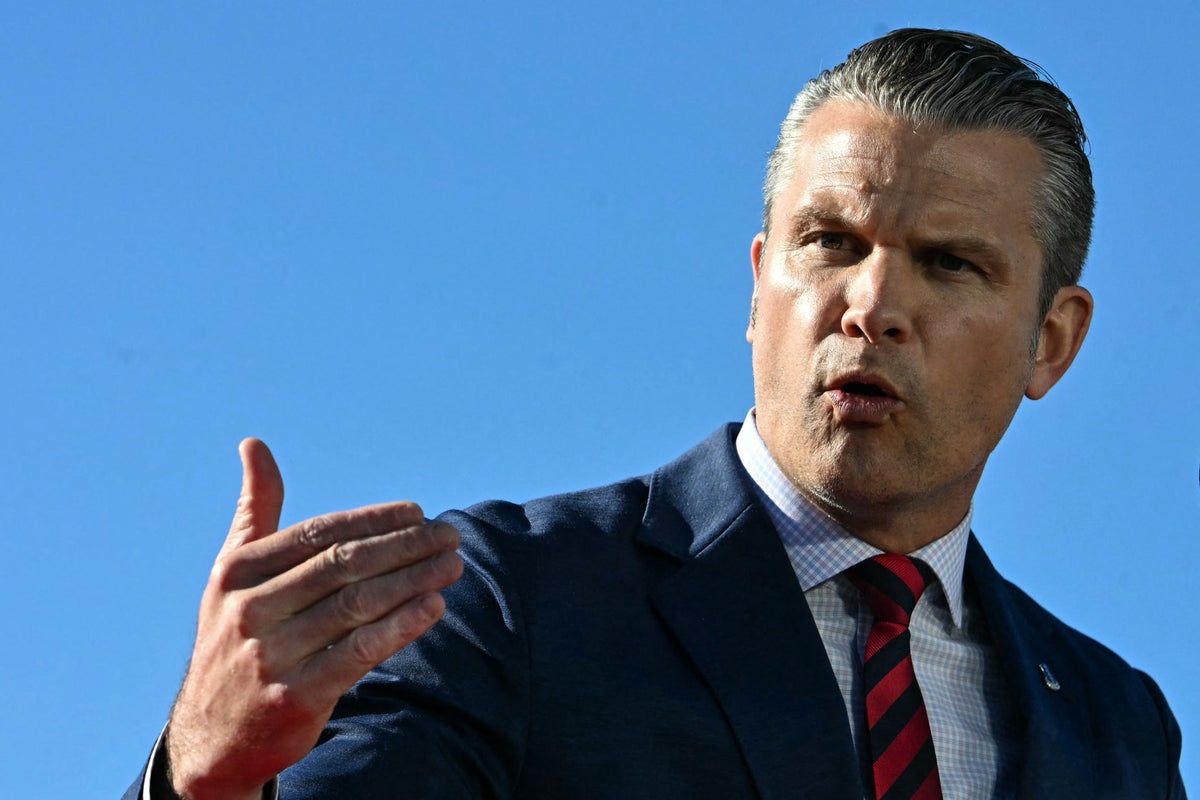
The DHS secretary, Markwayne Mullin, said earlier this week, “We’re going after them right now. These individuals can either self-deport or we’ll arrest you and send you back. It’s that simple.” TPS protects people who are already in the US when a natural disaster, epidemic, armed conflict, or other extraordinary and temporary circumstance affects their country of origin, making it unsafe for them to return home.
TPS holders are eligible for work permits and have added an estimated $262bn to the US economy since 2001. The Trump administration, which has been in office since last year, has almost categorically terminated existing TPS designations for some of the most dangerous countries in the world – a policy change that eventually led the highest court to authorize ending the program for Haiti and Syria, despite both countries being on the state department’s “do not travel” advisory list. The administration advises Americans against all travel to Haiti – and instructs those who go anyway to draft a will and submit DNA samples so their remains can be identified.
Krish O’Mara Vignarajah, president and CEO of the immigrant-serving non-profit Global Refuge, said, “In a stunning contradiction, the administration advises Americans against all travel to Haiti – and instructs those who go anyway to draft a will and submit DNA samples so their remains can be identified. To then compel hundreds of thousands of Haitians into such dire circumstances is an unconscionable abdication of our moral responsibility.” More than 300,000 Haitians have lost TPS permission overnight and could endure deportation if they have not applied for another form of immigration relief. For a wide swathe of people, no such pathway to citizenship exists, even if they have lived in the US for decades.
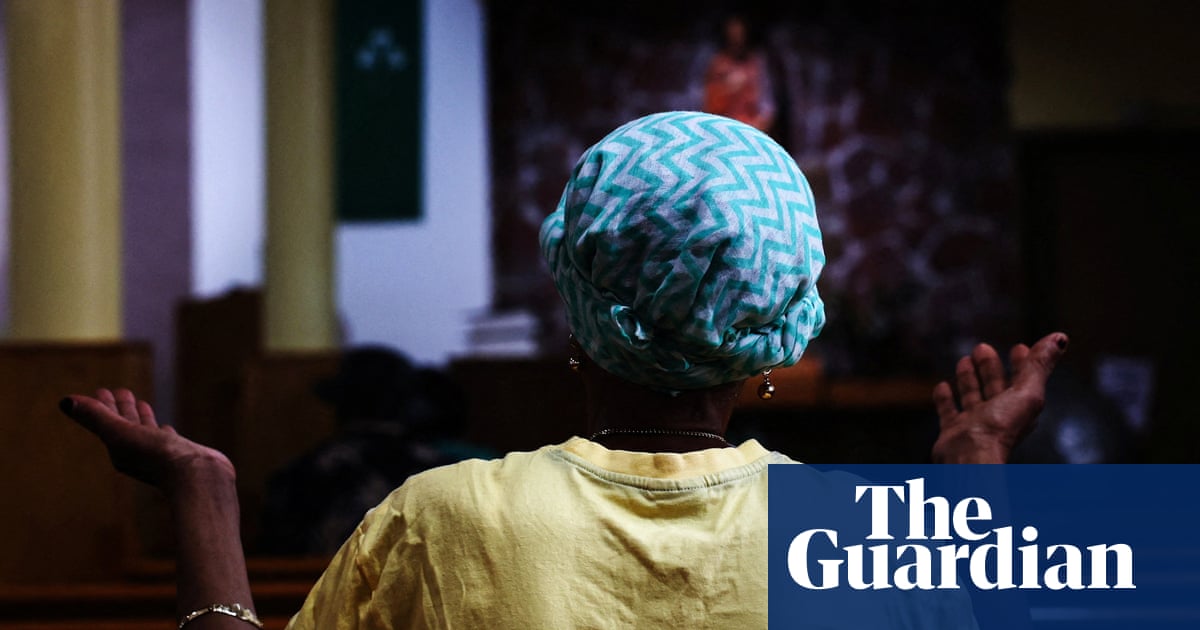
The thought of returning to Haiti’s life-threatening conditions is “unimaginable” for many Haitians in the US, including Harriett Cecilia Joseph, a former TPS holder, who said, “It’s not that we don’t want to go back to Haiti, it’s just the situation [there] doesn’t allow us to.” Removal orders for Haitians in the immigration courts have soared by 96% between March and June. Immigration officials have started outfitting Haitians with ankle monitors to track their movements, making them easy to find and detain. They now face an impossible choice: remain without status and risk arrest and deportation, or return to a Haiti marred by gang violence, kidnapping, and the collapse of basic services.
Thousands of Syrians may be at similar risk of repatriation after losing TPS and their affiliated work permits. A US district court also allowed the federal government to end employment authorization for active TPS holders from El Salvador, Ukraine, and Sudan, jeopardizing their livelihoods despite their ongoing protections against deportation. With so many immigrants suddenly barred from the workforce, business owners are being forced to let go of employees in industries already hampered by significant labor shortages.
Haitians and their champions are calling on the US Senate to extend TPS legislatively, through a proposal that already passed the House of Representatives in April. Josiane Valsaint, a Haitian who had TPS, wrote, “We work hard, we pay our taxes, we give back to our communities and we are a big part of the engine that keeps the United States workforce in many essential industries moving. We deserve to stay here, with our families and loved ones.”