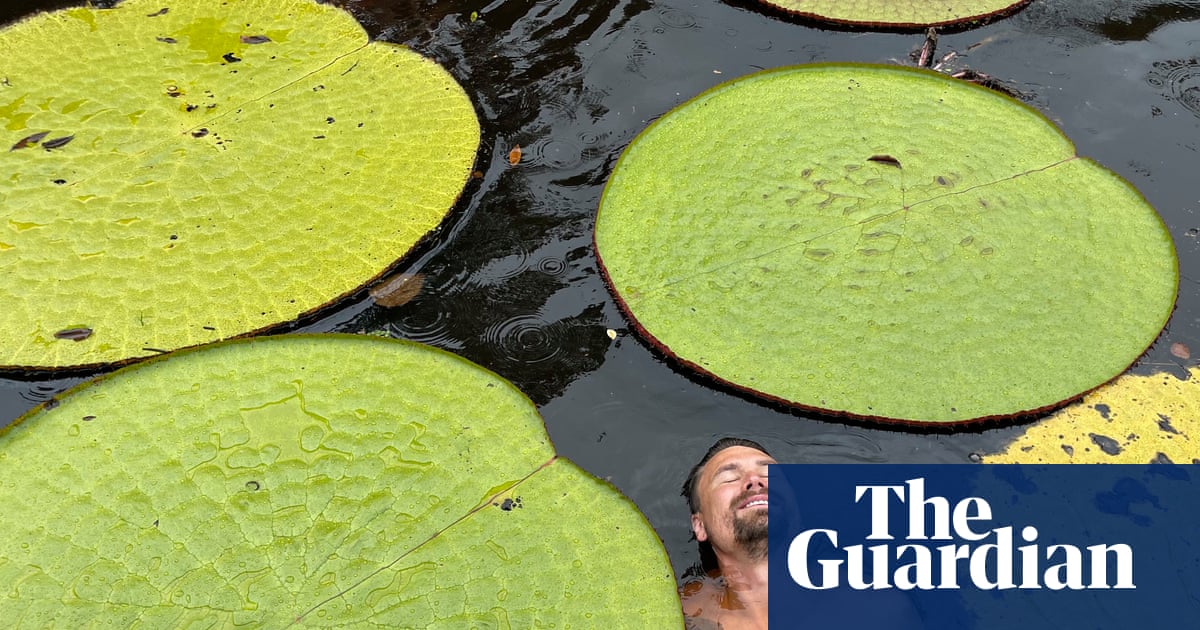
A chance Instagram photo of a swimmer surrounded by giant waterlilies in Colombia’s Inírida River sparked a race‑against‑time search for a new plant species. The plant, so massive that it can be seen from orbit, is already classified as critically endangered.
Three years ago, Carlos Magdalena, a waterlily specialist at the Royal Botanic Gardens, Kew, saw the image and suspected something unusual because the common Victoria amazonica does not grow in that region. He contacted Jeremiah Harris, the photographer who runs a carnivorous‑plant nursery in the United States, and together they traced the exact location. Magdalena spent years analysing satellite imagery, securing permits and funding before leading a five‑day expedition with colleagues from Bogotá’s Jardín Botánico and local indigenous communities.
After days of fruitless searching, the team’s driver guided them to a remote lake in the flooded rainforest. With only ten hours before their return flight, they sailed in darkness and found a population of the remarkable waterlilies. The discovery was described by Magdalena as “jaw‑dropping” and “emotional.” A formal identification was completed and published in the journal Phytotaxa, giving the plant the scientific name Victoria colombiana. The species is one of only four known giant waterlilies.
Estimates place the wild population at 30 to 50 individuals, underscoring the plant’s rarity and extinction risk. The team is pursuing an International Union for Conservation of Nature Red List designation and is exploring ways to establish a naturalised population in a more accessible lake within indigenous territory. Future plans include seed collection and cultivation in Bogotá, with the possibility of growing the species at Kew Gardens if the efforts succeed.