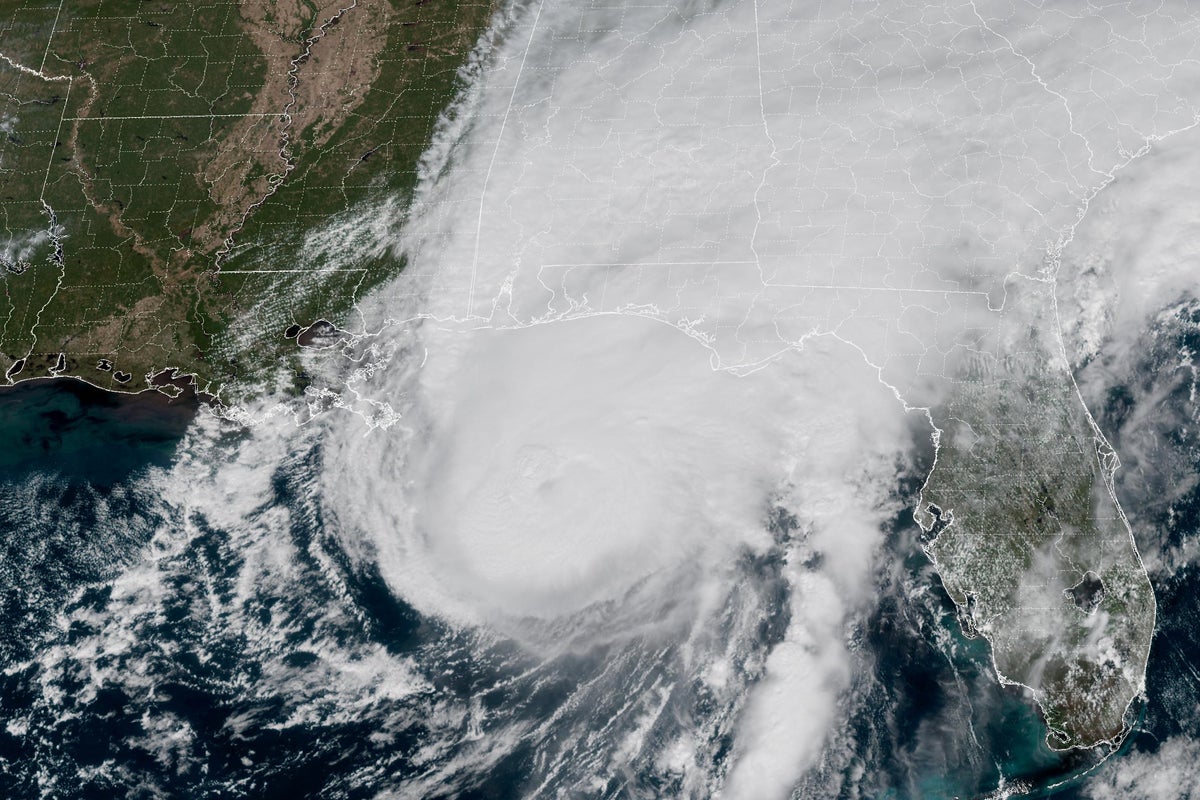
Isaias struck the U.S. Gulf Coast on Friday as a Category 2 hurricane, making landfall near Destin, Florida, with maximum sustained winds of 105 mph. The storm weakened to just below major hurricane strength before coming ashore and was no longer classified as a hurricane by early Saturday as wind speeds dropped.
The hurricane forced flooded roads in Destin and Pensacola, where police warned residents to stay off streets due to debris and downed trees. Power outages affected more than 664,000 customers in Florida and Alabama, and residents reported downed trees, power lines and damaged roofs. A Pensacola homeowner described the wind as “train‑whistle” loud and noted standing water in his backyard.
Florida Governor Ron DeSantis urged residents to buckle down, avoid roads, and prepare for flash flooding throughout the region. The National Guard deployed roughly 5,000 personnel, and mandatory evacuations and curfews were announced in several counties. Waffle House locations in the panhandle closed, a sign of the storm’s severity, and President Trump said the situation was “under control” after returning from a rally.
Officials warned of a storm surge of 3 to 5 feet from Dauphin Island to Florida’s Aucilla River and forecast 4 to 8 inches of rain over the weekend, potentially flooding the Southeast. Isaias was expected to downgrade to a tropical storm by Saturday afternoon, but flights at panhandle airports were grounded and the oil industry’s major Gulf hubs were likely to be missed, though fuel prices could rise if refineries shut down. Meanwhile, in the Pacific, Hurricane Simon intensified to Category 4 and Tropical Storm Rachel was projected to bring heavy rain to parts of Mexico and Southern California.