Saudi Arabia has joined the United States in strikes against Iran-backed groups in Iraq, resulting in the deaths of at least 20 soldiers. The strikes, which targeted locations within Iraq, come as Oman proposes a new regional deal aimed at resolving the conflict over the critical Strait of Hormuz, a vital waterway through which about a fifth of global oil and liquefied natural gas flowed before the war. The US military announced that it intercepted Iran’s latest ‘surprise attack’ following US President Donald Trump’s meeting with Israeli Prime Minister Benjamin Netanyahu.
According to US Central Command, Islamic Revolutionary Guard Corps forces launched multiple ballistic missiles from Iran in an attempted surprise attack on US forces based in the Middle East, but all Iranian missiles were successfully intercepted. The Saudi Arabian Armed Forces aided the US military in a separate military effort after ‘Iran-aligned’ terrorists launched more than 30 drone attacks in the last 72 hours. Iraqi Prime Minister Ali al-Zaidi has called off a planned meeting with Saudi Crown Prince Mohammed bin Salman in Jeddah after pro-Iran Iraqi militia attacks on the kingdom.
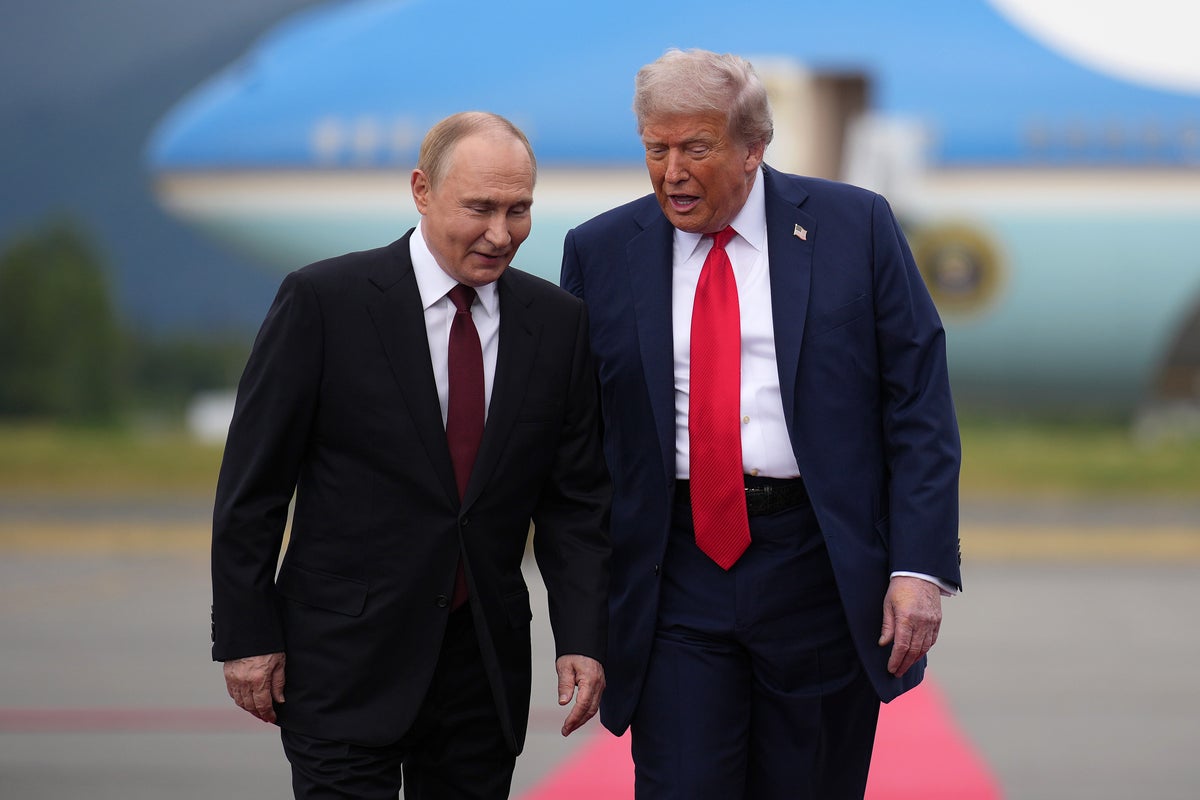
The US military’s top commander in the Middle East has warned personnel that cellphone videos being shared online by troops are helping to target US bases. Admiral Brad Cooper stated that Iran is benefiting from being able to see the success or failure of its strikes in near real-time by searching news reports or online posts by journalists referencing ‘reactions, photos, and footage from the cellphones of our troops’. Donald Trump held separate White House meetings with Volodymyr Zelensky and Benjamin Netanyahu on Tuesday, as Washington struggled to accomplish its goal of ending the major conflicts in Ukraine and the Middle East.
The Ukrainian president and Israeli prime minister were both in Washington to attend the funeral of Republican senator Lindsey Graham, who died last month. While details on the closed-door meetings remain sparse, Zelensky was expected to press Trump on his promise to grant Ukraine a licence to produce Patriot interceptor missiles to strengthen Kyiv’s air defences. Ukraine has continuously requested Patriot air defence systems since the early months of Russia’s full-scale invasion in 2022.
Speaking to reporters afterwards, the Ukrainian president confirmed that Trump had agreed to grant Ukraine licences to produce Patriot interceptor missiles domestically. A US-brokered plan for Israel to withdraw from Lebanon has started slower than expected. The ‘pilot zone program’ is the centrepiece of the US’s June 26 framework deal intended to end the war between Israel and Hezbollah, and establish peaceful ties between Israel and Lebanon.
However, Hezbollah still refuses to give up its weapons, and the rollout of the first zone in the south Lebanese village of Zawtar al-Gharbiyeh last week offered a glimpse of a strained and complex process that will be no easier to repeat elsewhere. China has held direct talks with Yemen’s Houthi movement to enable its tankers to sail through the southern Red Sea without being attacked after the Iran-aligned militia pledged to prevent access to Saudi ports. Beijing has asked the Houthis directly to promise safe passage for its tankers, according to sources with knowledge of the matter.
Thirty-nine commodity ships passed through the Bab el-Mandeb strait on Tuesday, the highest number since July 19, while five transited on Wednesday, preliminary shipping data showed, with only a few transiting through the Strait of Hormuz. Two of the five ships exiting the Bab el-Mandeb on July 29 were carrying crude oil, including very large crude carrier (VLCC) Sophia and the Aframax tanker Ocean Laureate. Separately, of the 39 ships passing through on July 28, 20 ships entered the strait while 17 exited, according to ship-tracking data from analytics firm Kpler.
Among those exiting, three were Aframax tankers carrying crude. The Aisopos and Gustav exited to the Gulf of Aden, each carrying more than 750,000 barrels of oil, while the Karachi is carrying around 430,000 barrels of crude bound for Pakistan. Of the ships that entered, two were tankers carrying petrochemical products.

.png?trim=0,0,0,0&width=1200&height=800&crop=1200:800)