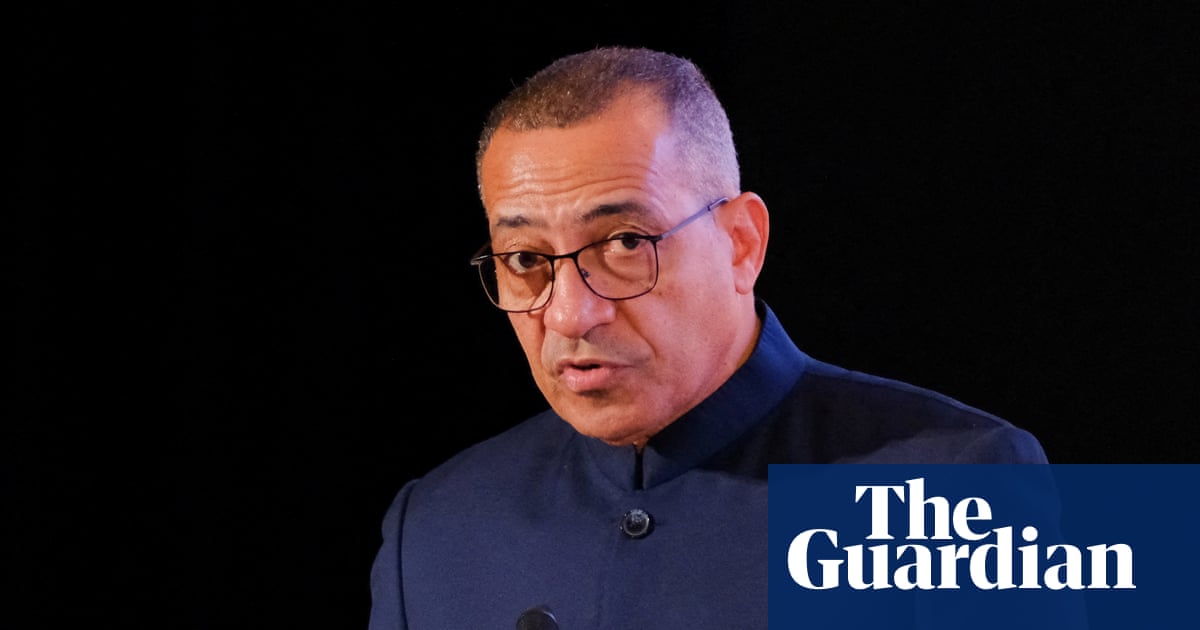
Voters in São Tomé and Príncipe are heading to the polls on Sunday for a presidential election, as the tiny African state seeks to solidify its democratic credentials. With approximately 142,000 people registered to vote, including around 15% living in the diaspora, the National Election Commission is overseeing the process. Since gaining independence from Portugal in 1975, São Tomé and Príncipe has built a reputation for peaceful and competitive elections.
However, this year’s vote is taking place amidst a tense political atmosphere and a lingering constitutional crisis. The president, Carlos Vila Nova, is running for a second term as an independent candidate, rather than representing the ruling Acção Democrática Independente (ADI) party, which he was affiliated with during his initial election in 2021. The tensions between Vila Nova and his former party began in January last year, when he dismissed the prime minister, Patrice Trovoada.
This move led to a series of events, including the resignation of Trovoada’s replacement, Ilza Amado Vaz, after just three days in office. Vila Nova will be running against four other candidates, including the ADI parliamentary leader, Nito D’Abreu, and a former prime minister, Jorge Bom Jesus, who attempted to withdraw his candidacy but missed the deadline. The main opposition party, the Movement for the Liberation of São Tomé and Príncipe, is now part of a broad coalition backing the incumbent president, despite being staunch opponents of the ADI.
Meanwhile, an ADI faction led by the current prime minister, Américo Ramos, is backing D’Abreu. If no candidate receives more than 50% of the vote, the election will proceed to a second round. Key issues for voters include tackling government corruption, high inflation, severe youth unemployment, chronic fuel shortages, and frequent blackouts.
Rivals of Vila Nova are hoping that these concerns will prevent him from securing a second term and propel them to the presidency. Corruption, in particular, has been a major point of contention, with D’Abreu stating that it is the greatest catastrophe the country has experienced in this half-century of independence. The businessman Domingos Monteiro, known as “Nino”, who has been president of the São Toméan Football Federation since 2015, was disqualified after the constitutional court ruled he did not meet the eligibility requirements.
Monteiro was born on the island, but his parents never became naturalised citizens after moving from Cape Verde where they were born. “The constitutional court is violating the principle of equal rights … It is time for descendants born in São Tomé and Príncipe to say no to discrimination, to the culture of xenophobia and persecution,” said Monteiro. São Tomé and Príncipe is seen as a trusted western ally for security and maritime trade in the Gulf of Guinea, one of the world’s biggest maritime piracy hotspots.
The country also has offshore oil deposits that make a significant contribution to its economy. Observer missions from the European Union, G7+, and the Community of Portuguese Language Countries are on the ground to monitor the polls.

.png?trim=0,0,0,0&width=1200&height=800&crop=1200:800)