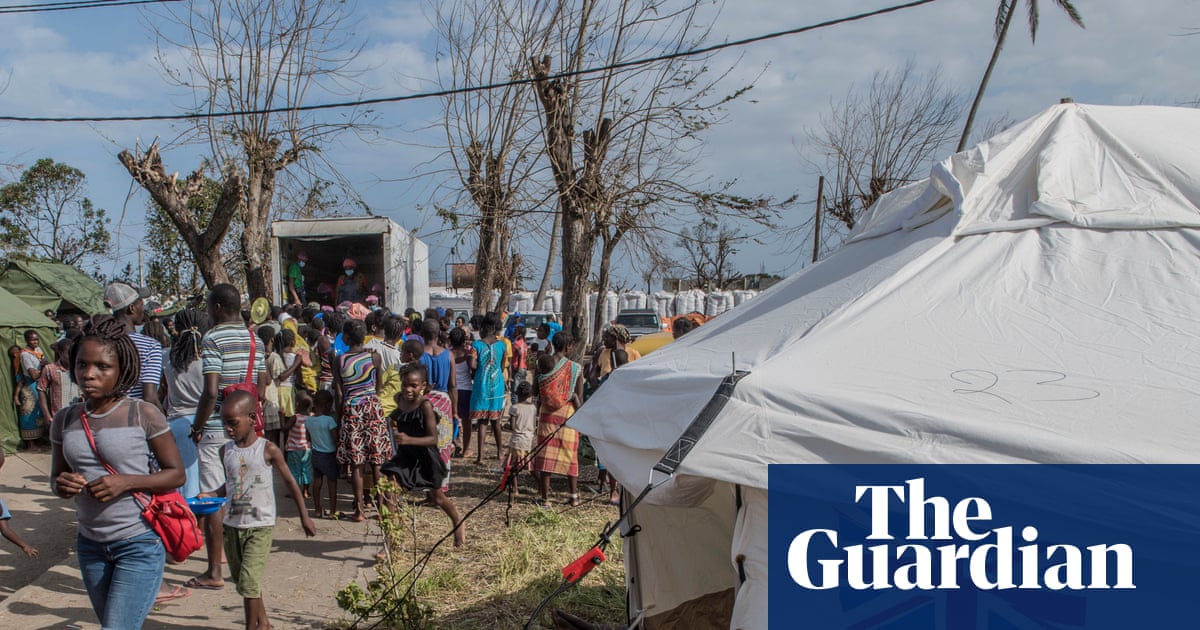
Labour’s foreign aid cuts mean reductions of as much as 90% in the bilateral support the UK will give to some African countries, Foreign Office figures show. The department’s annual report includes a long-awaited breakdown of how the reduction in the aid budget will affect individual countries for the next three years. Analysis by Bond, the umbrella group for development charities, shows cuts of 90% for Mozambique and Malawi by 2029, 80% for Rwanda and Sierra Leone and 49% for Somalia.
The cuts are part of the Labour government’s plan to reduce spending on overseas aid, which was announced by Keir Starmer’s government last year to fund increases in the defence budget. The decision has been met with criticism from charities, who argue that the scale of the reduction in direct support to individual countries will jeopardise vital projects. Romilly Greenhill, Bond’s chief executive, stated that the cuts will abandon communities on the frontlines of conflict and the climate crisis, risking plunging these countries’ populations into poverty and instability.
The Labour government has defended the cuts, arguing that they will make every pound of UK development spending work harder for people facing the toughest crises and for taxpayers at home. The government has also stated that it will transition away from spending high levels of grant Overseas Development Assistance (ODA) in certain countries, but will maintain its ambition and effort through modernised partnerships. The cuts have sparked concerns among charities and MPs, who have urged the incoming prime minister Andy Burnham to restore the party’s leadership on development by setting a path back towards the target of spending 0.7% of national income on overseas aid.
The UK’s development policy will be a key area of focus for the new government, particularly as the country takes on the chair of the G20 next year. The development minister, Jenny Chapman, has stated that the world has changed and that crises in one part of the world now affect us all. She argued that the UK is not turning away from these challenges, but is making every pound of UK development spending work harder for people facing the toughest crises and for taxpayers at home.
The impact of the cuts will be closely watched by charities and MPs, who will be monitoring the effects on individual countries and communities. The decision has sparked a wider debate about the UK’s role in international development and its commitment to reducing poverty and inequality around the world.
.png?trim=0,0,0,0&width=1200&height=800&crop=1200:800)