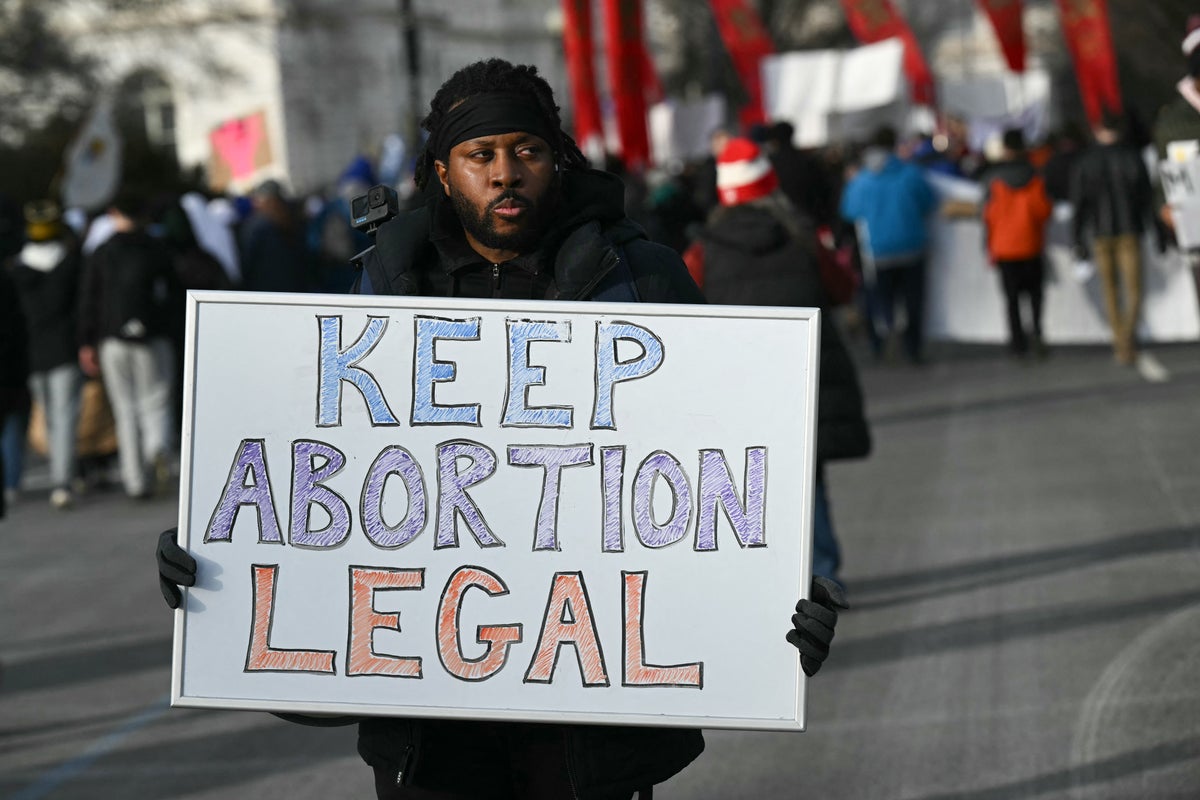
Idaho voters will decide this November whether to loosen one of the nation’s strictest abortion bans, setting up another high-stakes showdown over reproductive rights just three years after the U.S. Supreme Court overturned Roe v. Wade. The citizen-led initiative, confirmed by Secretary of State Phil McGrane to be on the Nov. 3 ballot, would replace Idaho’s near-total abortion ban with a law allowing abortions until fetal viability, generally considered to be after 21 weeks of pregnancy.
If approved, the measure would largely restore abortion access to where it stood before the Supreme Court’s 2022 Dobbs decision returned abortion policy to the states. Idaho currently has one of the country’s most restrictive abortion laws, banning abortion at all stages of pregnancy without an exception for the pregnant person’s health, except in cases of rape or incest, or to save the patient’s life.
The state also became the first in the nation in 2023 to criminalize helping a minor obtain an abortion without parental consent, a law whose core provisions have largely survived court challenges. The Idaho initiative was placed on the ballot by Idahoans United for Women and Families after a volunteer-led petition drive gathered enough signatures, prompting anti-abortion groups to vow to fight it.
David Ripley, CEO of Idaho Chooses Life, said the proposal would dismantle decades of anti-abortion laws, having a profound impact on Idaho and invalidating virtually every pro-life law enacted over the last 30 to 40 years. The vote puts Idaho alongside Virginia, Nevada, and Missouri, where abortion will also be on statewide ballots this fall, extending a streak of closely watched referendums that have reshaped the national debate over abortion rights.
Since Roe was overturned, abortion rights supporters have won 14 statewide ballot measures and lost four, making direct votes one of the movement’s strongest political tools. Some abortion-rights groups, however, have opposed measures that continue to allow restrictions after fetal viability, arguing they fall short of the protections they support.
Melanie Folwell, executive director of Idahoans United for Women and Families, said national groups should be willing to back broader efforts to expand abortion access, encouraging them to engage with the public on where folks are at.

.png?trim=0,0,0,0&width=1200&height=800&crop=1200:800)