Britain’s automotive sector is caught between two major markets as it weighs the costs of imposing tariffs on Chinese vehicles against the threat of EU protectionist barriers. The government has so far declined to put import duties on Chinese cars, a policy that diverges from the US and the EU.
EU officials warned the UK must apply tariffs to avoid Brussels imposing ‘made in Europe’ restrictions on British exports, which would hit the country’s largest market. Business Secretary Jonathan Reynolds said any levies would likely be reciprocated, hurting UK sales in China and raising prices for domestic buyers.
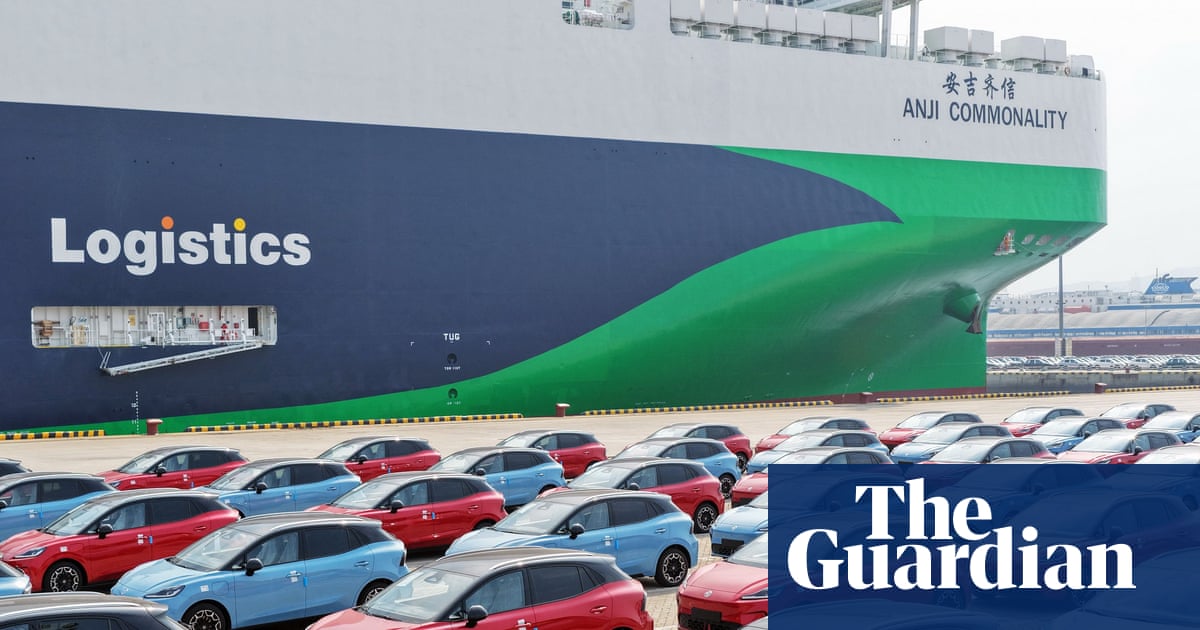
Chinese brands have surged in the UK, with BYD, Omoda and Jaecoo more than tripling their share of new‑car sales in the first eight months of 2026 to 12%. The Society of Motor Manufacturers and Traders reported a 12% rise in registrations to September, driven by electric and hybrid models such as the Jaecoo 7 and BYD Sealion 7.
The European Commission’s ‘made in Europe’ rules restrict subsidies and tax breaks for vehicles built outside the bloc, posing an existential threat to British production. The EU accounted for 58% of UK car exports in the first half of 2026, compared with about 4% for China, underscoring the sector’s dependence on European access.
Industry voices remain divided. RSM UK’s Emily Sawicz warned that the UK cannot drift between the two markets indefinitely, while former Vauxhall chair Tim Tozer called tariffs vital to stem the sector’s decline. Chery’s deputy chief Victor Zhang dismissed tariff concerns, pledging continued investment in the UK.