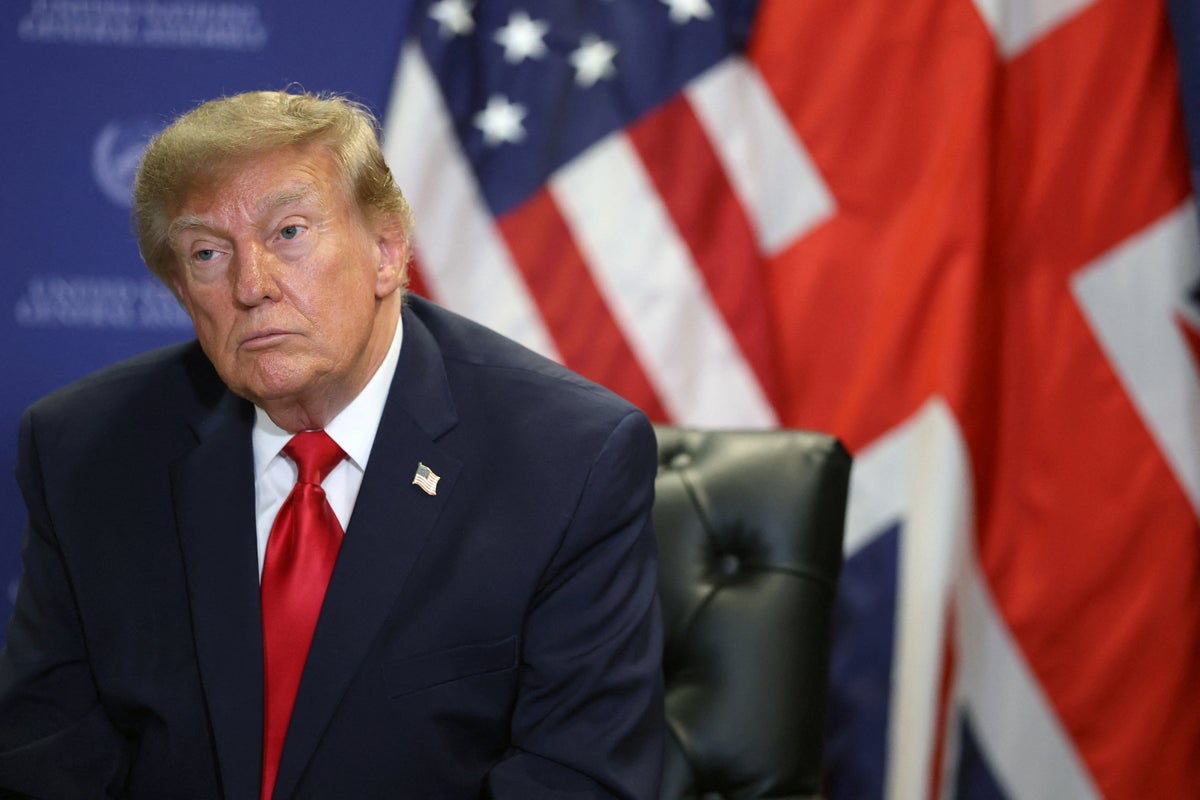
Reuters analysis of 62 high‑stakes House and Senate races ahead of the November 3 midterms found that two‑thirds of Republican candidates are distancing themselves from President Donald Trump on specific policy matters. The study examined voting records, campaign materials and public statements, identifying 41 contenders who have sought to create space between themselves and the administration as Trump’s low approval rating threatens the party’s congressional majorities.
Policy disagreements emerged in 23 of the 62 contests, with 12 races centering on the president’s approach to the war in Iran. Several vulnerable Republicans voted to restrict Trump’s war powers or publicly urged an end to the conflict, citing its impact on gas prices and household budgets. Three candidates also opposed or delayed data‑center development, despite the president’s push for accelerated construction. The strategy appears aimed at appealing to independent voters while avoiding a full break with party leadership.
Examples of the balancing act include Senator Pete Ricketts of Nebraska, who criticized Trump’s beef‑import plan but later joined the president at a rally, and Iowa’s Mariannette Miller‑Meeks, who voted to limit Iran war powers yet later appeared with Trump at the White House to announce a steel plant investment. Florida’s Mike Beltran has removed Trump references from his campaign website, while New York’s Mike Lawler highlighted disagreements on temporary legal protections for Haitian immigrants and a Turkish F‑35 proposal.
Trump’s approval rating remains at a career low of 32 percent, and registered voters favor Democrats 44 percent to 37 percent, with independents leaning further Democratic. White House spokesman Davis Ingle defended Trump as the party’s “unequivocal leader,” while Republican strategist Ron Bonjean noted that candidates are reflecting voter attitudes. Direct criticism of the president remains rare, underscoring the risk of openly challenging a figure who still commands strong support within the GOP.