New Zealand’s climate is under unprecedented pressure, according to the Our Atmosphere and Climate 2026 report released by the Ministry for Cities, Environment, Regions and Transport (Mcert). The study documents record‑high levels of greenhouse gases, with carbon dioxide up 30% since 1972 and methane reaching its highest concentration yet in 2025. The report warns that the extra heat is already manifesting in rising temperatures, warming oceans, higher sea levels, shifting rainfall patterns and more intense extreme events.
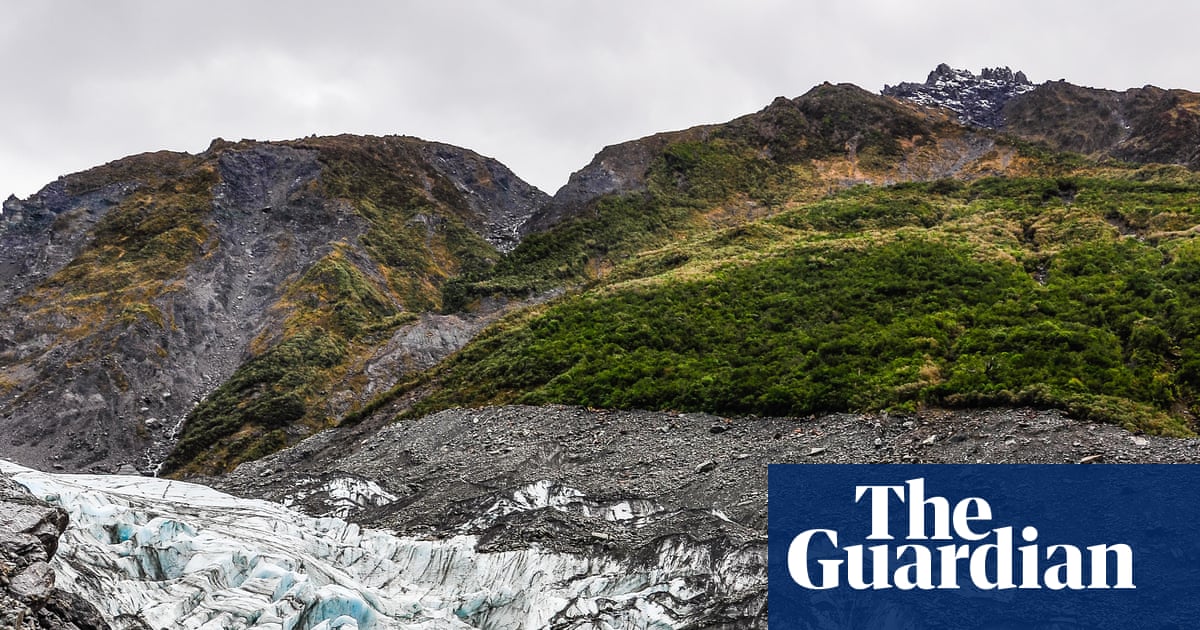
The nation’s average temperature has climbed 1.36 °C since records began in 1909, and seven of the ten warmest years occurred in the last decade. Glaciers—about 3,000 in number—have shrunk from 56 cubic kilometres in 1997 to 30 cubic kilometres in 2023. Modelling suggests that under a low‑emission scenario glaciers could lose 14–86 % of their volume by 2100, while a high‑emission scenario projects a loss of 69–100 %.
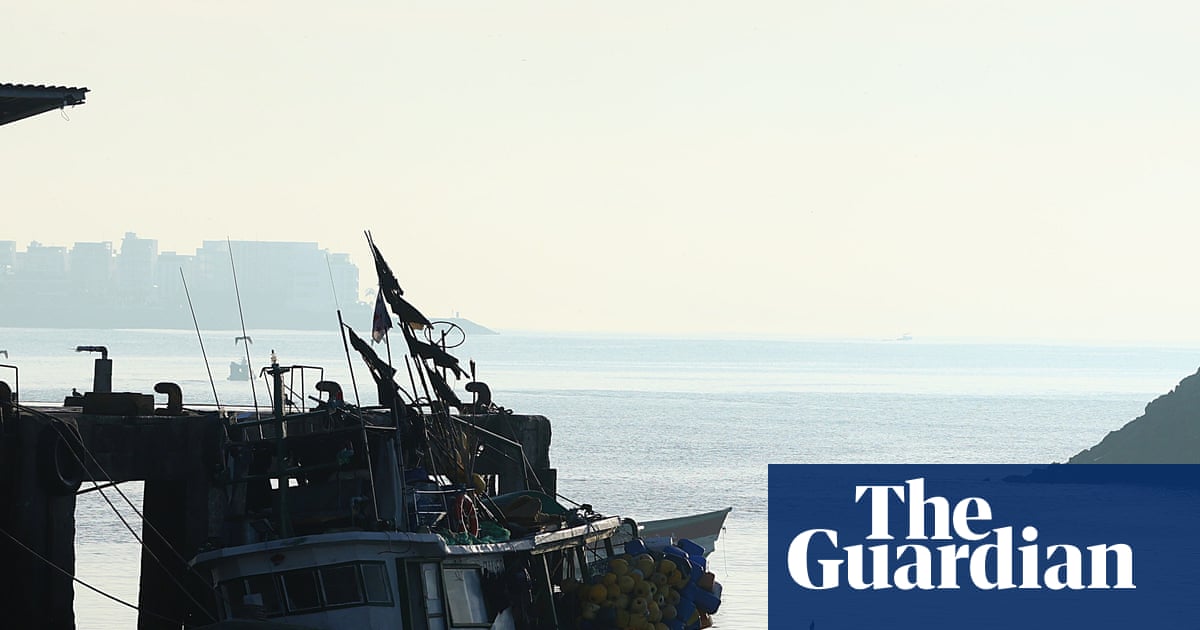
Heatwaves are expected to become more frequent, longer and more intense, with days exceeding 25 °C likely to rise by 2050, posing health risks such as physical illness, disease and psychological distress. Marine heatwaves are also intensifying; New Zealand’s oceans warmed 34 % faster than the global average in 2025, linked to mass sponge bleaching, kelp die‑offs, large fish movements and penguin deaths.
Beyond temperature, the report highlights a range of climate‑driven hazards—including damaging storms, cyclones, droughts, sea‑level rise and erosion—that threaten infrastructure, agriculture, and culturally significant sites for Māori communities. Recent events such as Cyclone Gabrielle and the 2023 Auckland floods illustrate the human and economic toll of these changing conditions. The findings underscore that climate change is not only an environmental issue but also a human and economic story for New Zealand.