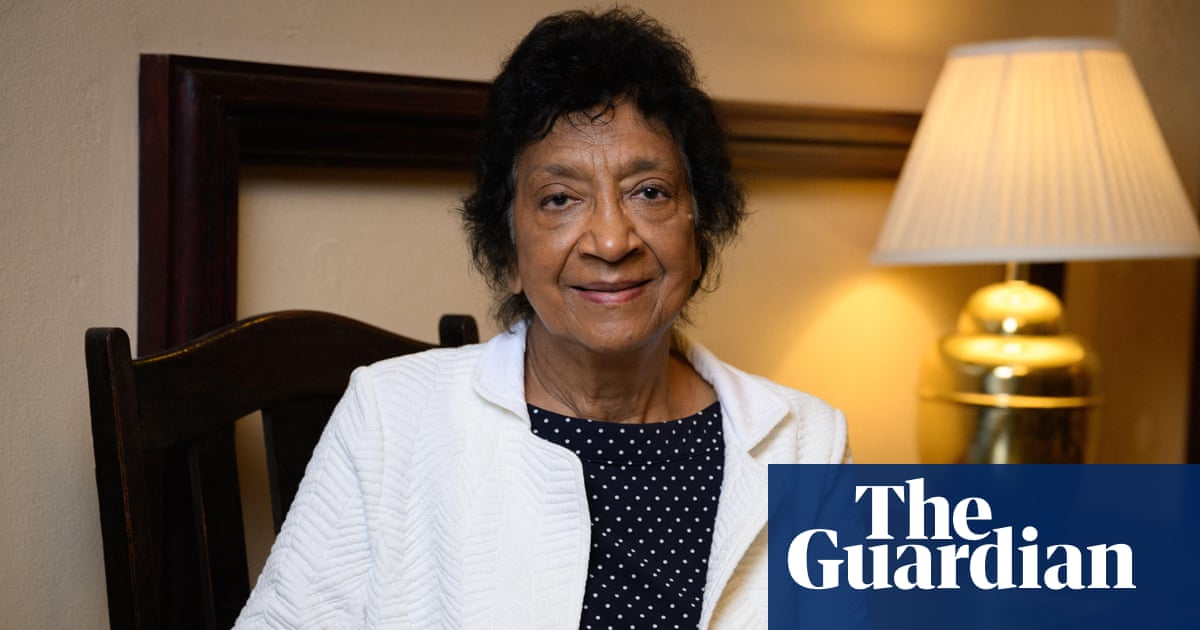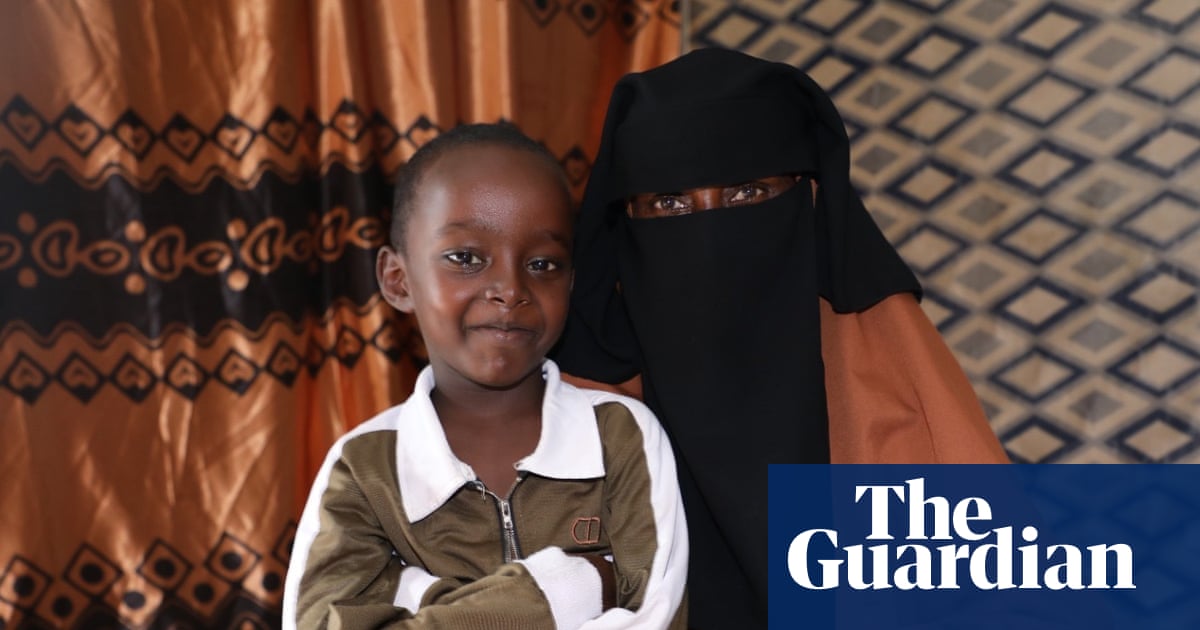
On a rickshaw ride to the hospital, Marian Haji Abdi Guled felt a mixture of joy and apprehension as the day she had been waiting for finally arrived. Her seven‑year‑old son, Abdiqadir Salah, had been seriously injured in a US drone strike on the village of Jamaame in Somalia, an event that killed at least 12 civilians, including eight children, according to a Guardian investigation.
Abdiqadir’s body had been impaled by shrapnel, with several fragments remaining embedded in his back. Doctors warned that without surgery the boy could lose the ability to walk. For ten months the family had struggled in Mogadishu with mounting expenses and no income, unable to afford the operation yet unwilling to send the boy back to the village without it.
After the investigation highlighted the attack, Guardian readers worldwide launched a rapid fundraising campaign. Within hours enough money was raised to cover Abdiqadir’s surgery, rehabilitation and medical care for his two siblings who sustained less extensive injuries. Guled expressed profound gratitude, saying she had never known such support existed.
The surgery at Kaafi Hospital in Mogadishu was complex. Two pieces of shrapnel were removed, but the final fragment was left in place because extracting it risked paralysis. When the Guardian visited weeks later, Abdiqadir appeared bright and pain‑free, though he acknowledged the metal still inside him. Guled plans to relocate with her children to Kismayo, a government‑controlled port city that has not been targeted by drone strikes, while continuing to seek answers and accountability from the US government for the ongoing attacks in the area.