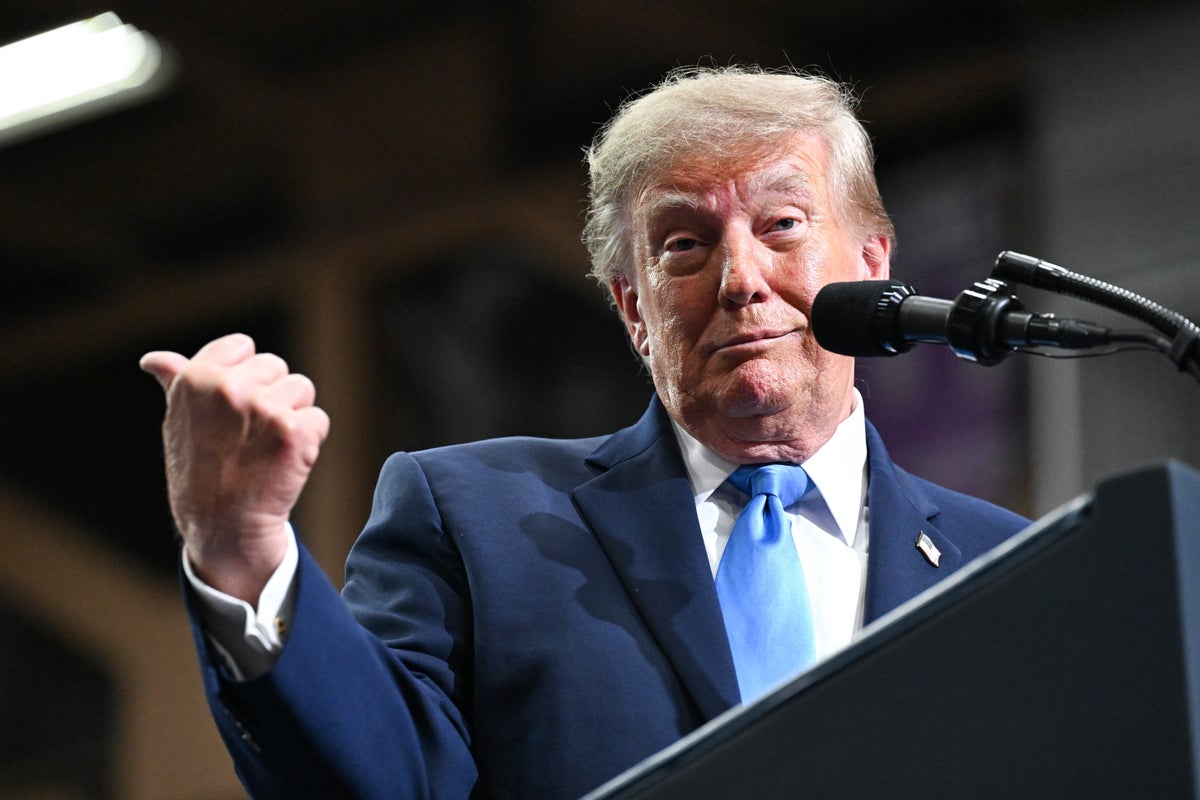
The 2026 U.S. midterm elections marked the first time that AI‑generated political advertisements routinely appeared on television and social media. Researchers from the Wesleyan Media Project, using media reports, student coders and data from AdImpact, have tracked roughly $80 million spent on almost 170 unique ads that employ generative AI.
The ads range from hyper‑realistic deepfakes of prominent politicians—including Donald Trump, Nancy Pelosi, Barack Obama, Kamala Harris and Alexandria Ocasio‑Cortez—to more subtle visual enhancements. Ocasio‑Cortez, for example, appears in at least five ads, while other pieces depict a Louisiana Senate candidate driving a school bus full of undocumented immigrants or a South Carolina gubernatorial hopeful walking arm‑in‑arm with drag queens. Non‑politicians are also featured, such as a fabricated Dr. Anthony Fauci running around a state fair with a large syringe. In several cases, AI was used to generate crowds or constituents, and some ads included vague AI disclosures that did not specify how the technology was applied.
Republican candidates and affiliated groups are far more likely to use AI than Democrats, accounting for 80 % of the ads tracked and 83 % of the spending. This partisan divide may reflect broader ideological differences, with Democrats generally favoring regulatory limits on campaign spending and disclosure requirements, while Republicans lean toward a free‑market approach. Polls show that 78 % of registered voters support a ban on AI content that makes deceptive claims about candidates.
State legislation on AI in political advertising is fragmented, and only 31 % of the ads tracked—representing 22 % of the spending—disclosed the use of AI tools. Disclaimers varied widely, from “This video has been manipulated or generated with artificial intelligence” in Georgia to “Political satire. AI‑generated images do not depict actual events” in Oklahoma. Studies indicate that the presence of a law does not strongly correlate with disclosure rates, suggesting that enforcement and clarity of requirements remain significant challenges for future policy.