Allegations that the son of Libyan warlord Khalifa Haftar oversaw a “terror cell” that launched drone attacks on fuel storage facilities and power stations in western Libya have upended the Tripoli‑based government of national unity’s (GNU) cooperation with Haftar on a national unification plan. The claims suggest the attacks were a response to perceived delays by Prime Minister Abdul Hamid Dbeibah in implementing a merger plan proposed by former U.S. President Donald Trump’s Africa adviser, Massad Boulos, who had outlined a scheme in which Haftar would become president and a member of the Dbeibah family would serve as prime minister.
Saddam Haftar, the deputy commander of the Libyan National Army (LNA), has been viewed by the United States as a key figure in efforts to unify Libyan security, judicial and political institutions. The LNA, which dominates the east of the country, has long been in conflict with the western GNU. The ongoing tensions have left Libya vulnerable to corruption, militia activity and external interference since the fall of Muammar Gaddafi in 2011.
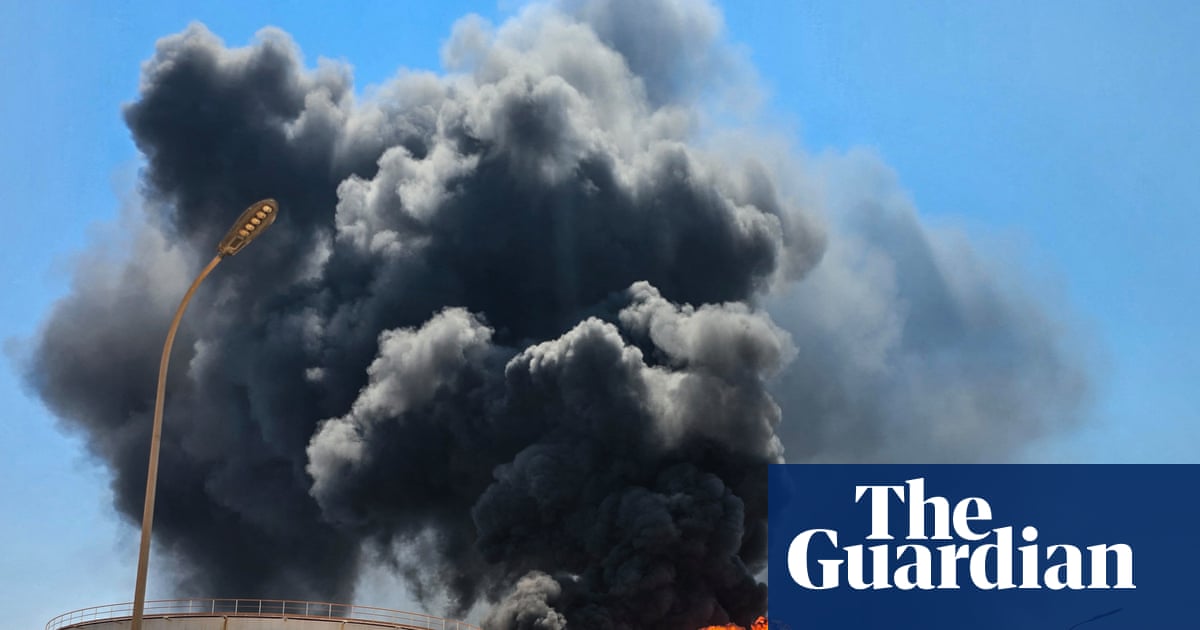
In August, drones attacked the Zawiya oil complex and surrounding fuel storage facilities, setting the gasoline‑storage tank on fire and causing it to collapse. The tank held approximately 4.5 million litres of fuel, according to the National Oil Corporation. The strikes intensified electricity blackouts in the west and prompted the GNU to arrest three Libyans and one Spanish citizen on 5 September for alleged involvement in a plot to attack Tripoli airport. Sources said the arrested Libyans were linked to the Tareq ben Ziyad brigade, an LNA formation, and that Saddam Haftar was implicated in the plot.
The revelations threaten to derail the UN‑sponsored 4+4 talks that had reached an August agreement to hold elections within two years. Walid Ellafi, the GNU’s minister for state for political affairs, warned that the process must be rooted in the will of the people and cannot overlook violations or the rights of those affected. The allegations may also intensify a power struggle among Khalifa Haftar’s three sons, with Saddam currently the most powerful heir supported by the United Arab Emirates, while his brothers Khaled and Belqasim, who are more closely aligned with Egypt, have begun to challenge his dominance.