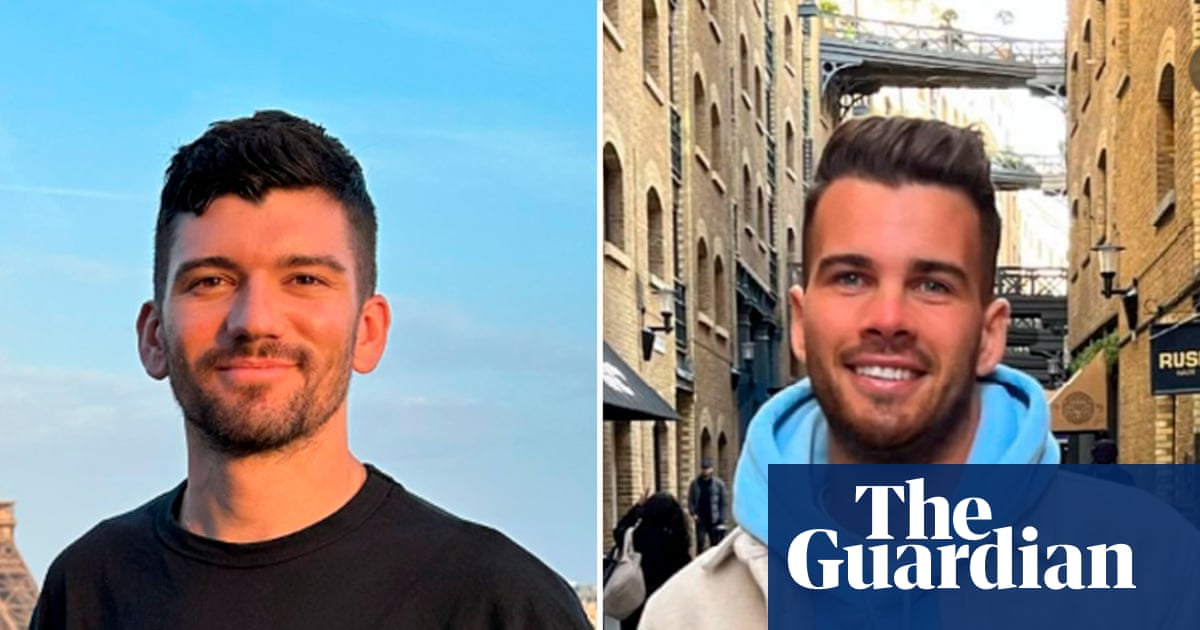
A New York district attorney declined to review additional evidence gathered by Cornell University police before deciding not to pursue criminal charges in a gang‑rape investigation, according to records obtained by the New York Times. On 25 November 2024 a Cornell investigator informed the Tompkins County DA’s office that campus police had conducted further interviews, reviewed messages, logged tips and contacted people linked to the case. Prosecutors did not request to see the evidence and instead agreed that, based on a six‑page statement from the former student known as Jane Doe, criminal charges would not be pursued.
The case stems from a civil lawsuit filed last month in which Doe alleges she was drugged and gang‑raped by seven members of the Chi Phi fraternity in October 2024. All seven men deny wrongdoing and none have been charged. After the lawsuit, public outcry questioned why the fraternity members were not prosecuted, raising concerns about campus sexual assault and Cornell’s handling of the matter. The handling has since come under renewed scrutiny. Governor Kathy Hochul criticized Cornell police and the DA, and appointed Attorney General Letitia James as a special prosecutor with authority to bring criminal charges. DA Matthew Van Houten told the Times that the additional records were “not pertinent” because Doe’s comprehensive account was deemed sufficient, and he defended the decision by saying the statement described the alleged conduct as voluntary, conscious and consensual, and therefore not a crime under New York law.
Former prosecutors and legal experts have questioned the reliance on a campus police investigation. Rick Trunfio, a former upstate New York sex‑crimes prosecutor and Syracuse University law professor, said the case should have been handled by a specialized police or prosecution team. A Cornell representative declined to comment, citing pending litigation. Doe’s account, as reported, describes her invitation to the Chi Phi house, initial consent to sex, subsequent intoxication from alcohol, marijuana and a ketamine she was pressured to take, and her feeling of being trapped and cornered while naked in bed as multiple men entered. She alleges that several men performed sex acts on her while partially incapacitated, kissed her without consent, and that some men snorted drugs from her unclothed body.