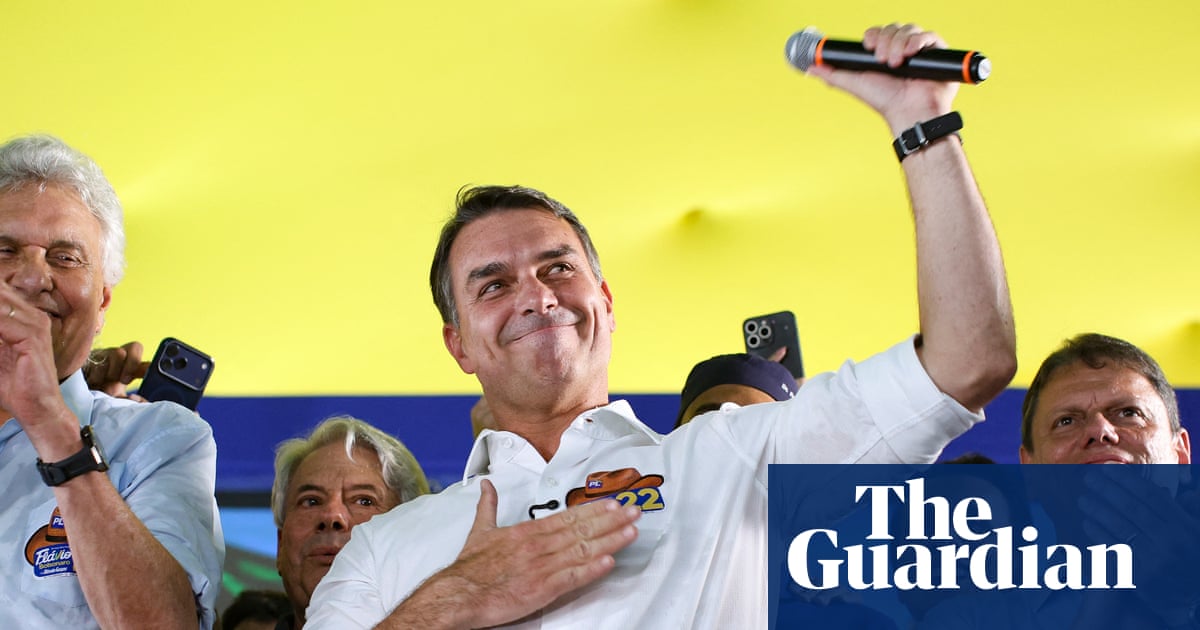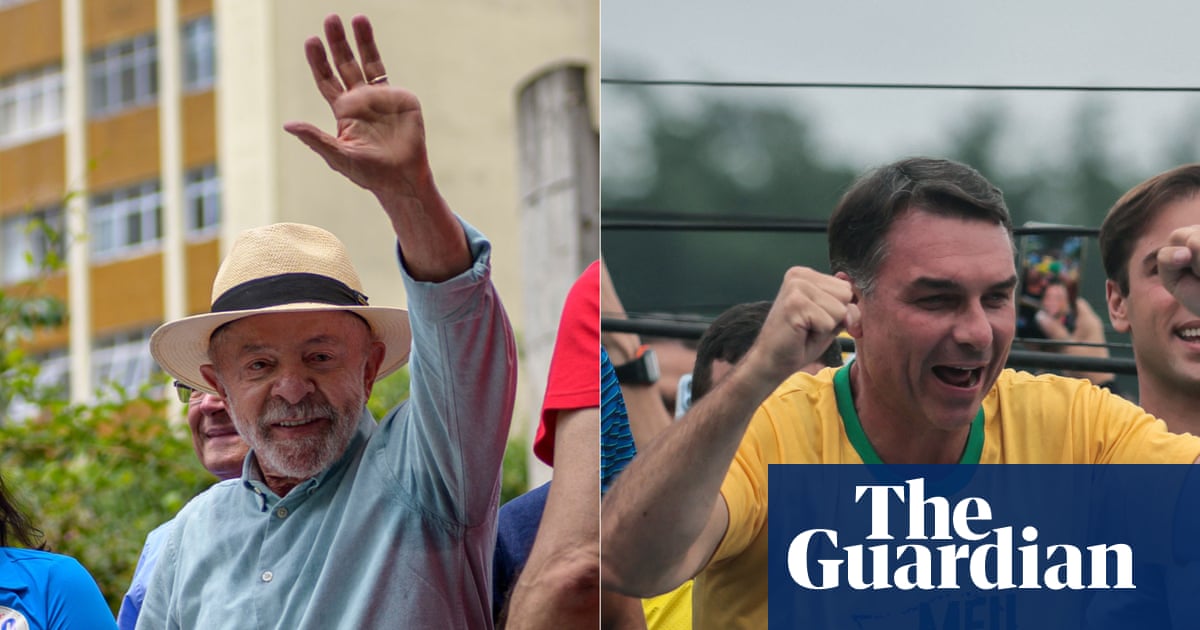
Brazilians are heading to the polls for the first round of a highly polarised presidential election that could shape the future of Latin America. The contest pits 80‑year‑old Luiz Inácio Lula da Silva, the left‑wing president seeking a fourth non‑consecutive term, against far‑right senator Flávio Bolsonaro, the 45‑year‑old son of former president Jair Bolsonaro.
Lula has positioned himself as one of the last regional leaders willing to oppose former U.S. President Donald Trump. He has accused the U.S. of attempting to influence the election in favour of Bolsonaro, while underscoring his commitment to democratic principles.
Bolsonaro, an ally of Trump, has repeatedly praised the U.S. president and pledged to join the U.S.‑led anti‑drug‑cartel coalition that has conducted airstrikes and military operations across the region. His campaign has been marred by a scandal in which he asked a banker accused of corruption for $26.8 million to fund a film about his father.
Polls released on Saturday indicated a wide‑open race, with either candidate able to force a runoff on 25 October or win outright. Lula told voters in São Bernardo do Campo that the day’s vote would decide between “strengthening democracy and barbarism.” Bolsonaro urged right‑wing supporters to consolidate behind him in a “protest vote,” hoping to secure victory in the first round.
In addition to the presidential contest, Brazilians will elect 27 state governors, all 513 members of the federal congress, and 54 of the country’s 81 senators. Voters such as AMC, who works in the interior of Amazonas, cited Lula’s programmes for the most vulnerable and his protection of Indigenous peoples as reasons for supporting him, warning that Bolsonaro’s son could threaten those gains.