Shortly after a controversial United Nations address, President Donald Trump met with a coalition of Latin American leaders and boasted that right‑wing candidates had won every presidential election in the region since he began his second term. He highlighted the Shield of the Americas, an anti‑drug cartel coalition of 15 countries, and claimed that all those he had endorsed had emerged victorious.
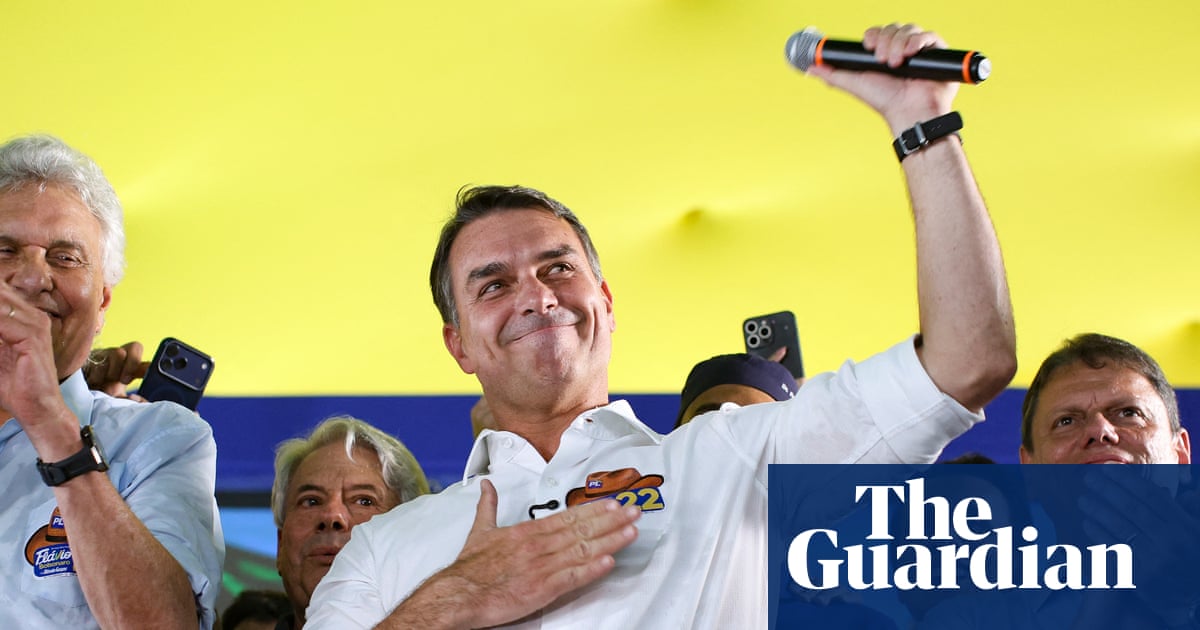
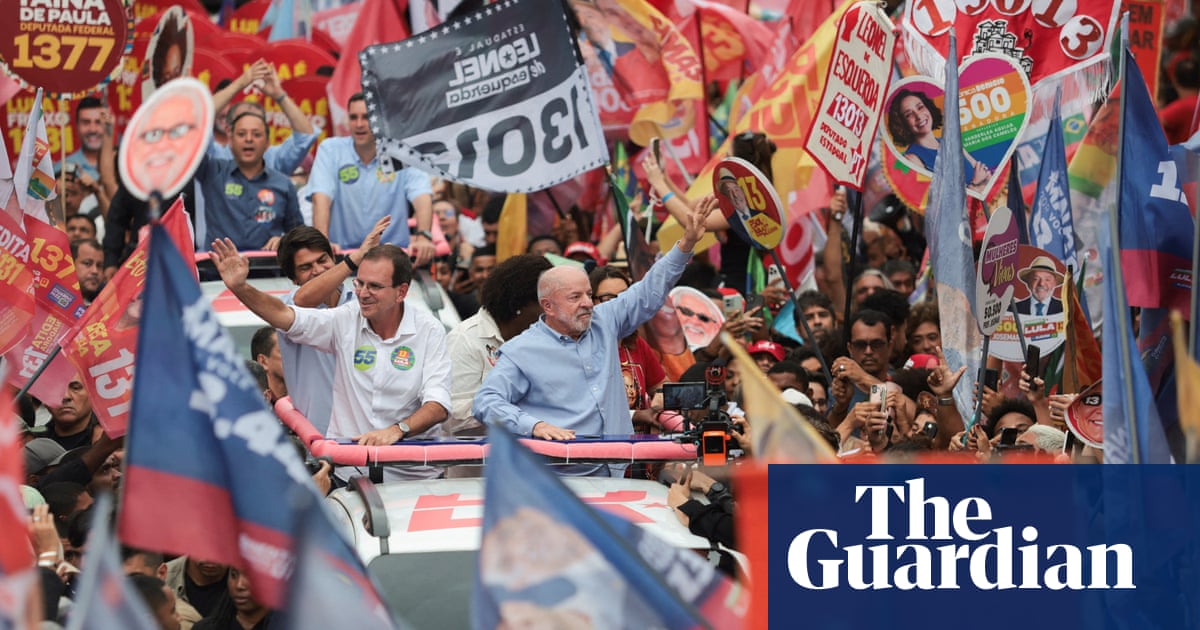
Brazil’s presidential election on Sunday is now seen as a pivotal test for the region. The race is a tight contest between incumbent Luiz Inácio Lula da Silva, an 80‑year‑old left‑wing leader seeking a fourth non‑consecutive term, and 45‑year‑old Senator Flávio Bolsonaro, the son of former president Jair Bolsonaro. Analysts note that Brazil remains the last major Latin American country capable of rejecting Trump’s influence, and the outcome could reshape the balance of power in the region.
Professor Pedro Telles of Brazil’s FGV university said that Mexico will stay relevant and that a Bolsonaro victory would deliver a “real blow” to the left and boost the far‑right agenda worldwide. Colombian political scientist Sandra Borda Guzmán warned that a far‑right win would align Latin America unconditionally with U.S. dictates, stalling the region’s pursuit of autonomy.
The two candidates differ sharply on U.S. policy. Bolsonaro has pledged to join the Shield of the Americas and adopt an “iron fist” stance on crime, while Lula has expressed concerns about sovereignty and criticized the Trump‑created coalition’s “inferiority complex.” Lula has also rejected U.S. demands for privileged access to Brazil’s rare earths, a point that Bolsonaro has framed as a solution to reduce U.S. dependence on China.
The election remains polarised, with other candidates in the mix but no clear front‑runner. If no candidate secures an outright majority, a runoff will be held on 25 October. Public sentiment reflects a mix of support for Lula’s record on unemployment, poverty and inflation, and anti‑Lula voters who view Bolsonaro as a necessary counterbalance to the left. The result will determine whether Brazil continues to chart an independent course or aligns more closely with U.S. interests in the coming years.