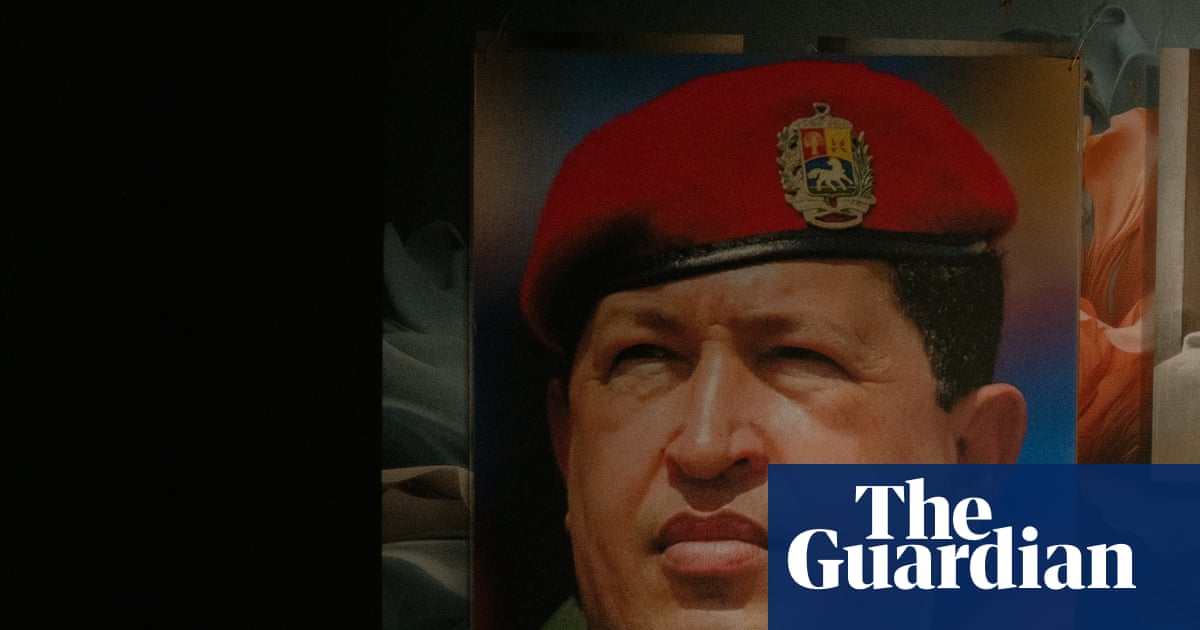
Mario Silva, a long‑time propagandist for Hugo Chávez’s Bolivarian revolution, hosted the state‑funded television programme The Razorblade for more than two decades. The 66‑year‑old often broadcast with Chávez’s portrait behind him and had the former president’s signature tattooed on his left wrist, signalling his devotion to the movement.
In September, the programme was axed, leaving Silva livid about the direction of the revolution under former deputy Delcy Rodríguez. In a rare interview at his home studio outside Caracas, he described feelings of disappointment and a sense that the world was collapsing. He has since used YouTube to denounce Rodríguez’s interim administration, accusing those he blames of surrendering Venezuela to the United States.
Since January, high‑ranking U.S. officials, including the CIA chief, the chairman of the joint chiefs, and Energy Secretary Chris Wright, have visited Caracas, and President Trump has touted a “biggest oil deal in world history” with Rodríguez. The meeting of Rodríguez and Trump at the UN General Assembly produced a photograph that shocked many hard‑line Chavistas, who view the collaboration as a betrayal of Chávez’s anti‑imperialist stance. Vice‑president Elías Jaua and former mayor Juan Barreto have echoed this sentiment, calling the deal an act of pillage.
Rodríguez defends the agreement as a source of $209 bn in revenue for healthcare and education, while others warn that tangible benefits must be shown to avoid a volatile backlash. Analyst Orlando Pérez notes that many Chavistas see cooperation with Washington as a pragmatic necessity to keep opposition out of power, but that failure to deliver material gains could trigger social unrest. Silva predicts worsening conditions will inevitably lead to protests and claims he faces investigation for alleged defamation of the interim government.