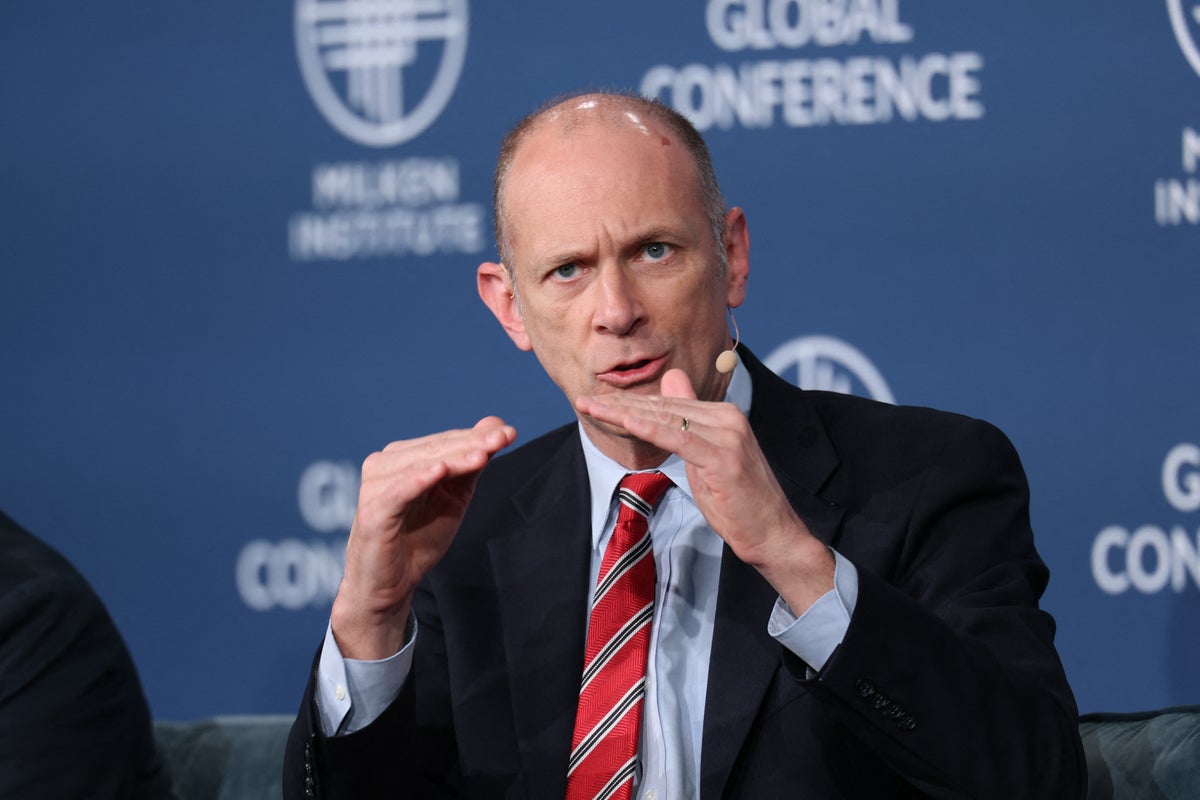
The central bank may have to cause economic pain in the form of higher unemployment to combat stubbornly high inflation, a top Federal Reserve official said Monday. Austan Goolsbee, president of the Federal Reserve Bank of Chicago, told reporters in London that the Fed may need to accept short‑term job losses to bring inflation back to target.
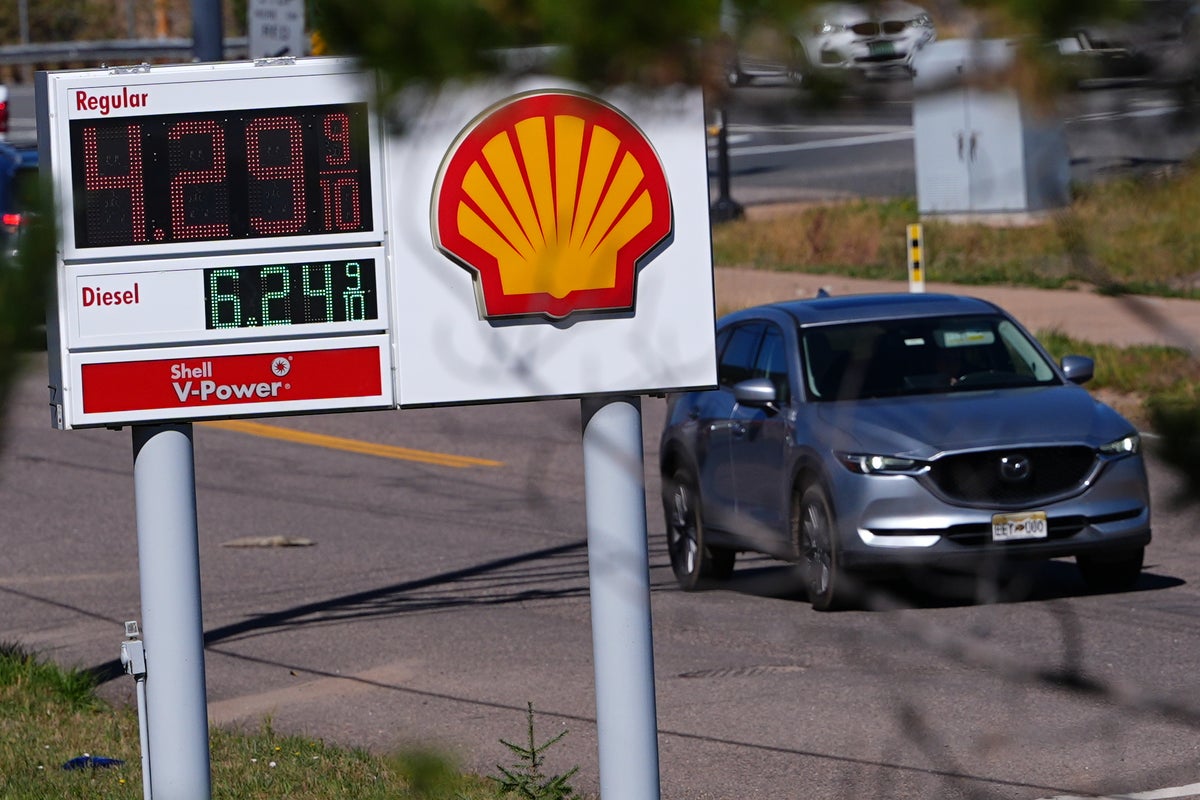
Goolsbee explained that supply disruptions such as tariffs, rising oil prices from the Iran war, and other temporary shocks have pushed inflation higher. Normally, the Fed would wait for these shocks to fade before raising interest rates, but the persistence of the disruptions leaves the Fed with little choice but to hike rates.
The rate increases are intended to cool business and consumer demand, narrowing the gap between supply and demand and ultimately bringing inflation back to the 2 % target. Goolsbee said, “The only way to bring inflation down is to raise rates and narrow the gap between supply and demand. Forcing inflation back to target in the short run means pushing employment below target…” He warned that the trade‑off would be painful.
Goolsbee’s view contrasts with comments from Chairman Kevin Warsh, who said he does not believe the Fed needs to harm labor markets to achieve its objectives. The Fed’s recent decision to lift its benchmark rate to about 3.9 % for the first time in three years illustrates the tension. Historically, tightening has often curtailed growth and triggered recessions, but the Fed’s rapid rate hikes in 2022‑23 lowered inflation without significant job losses or a downturn.


.jpg?trim=1,0,1,0&width=1200&height=800&crop=1200:800)