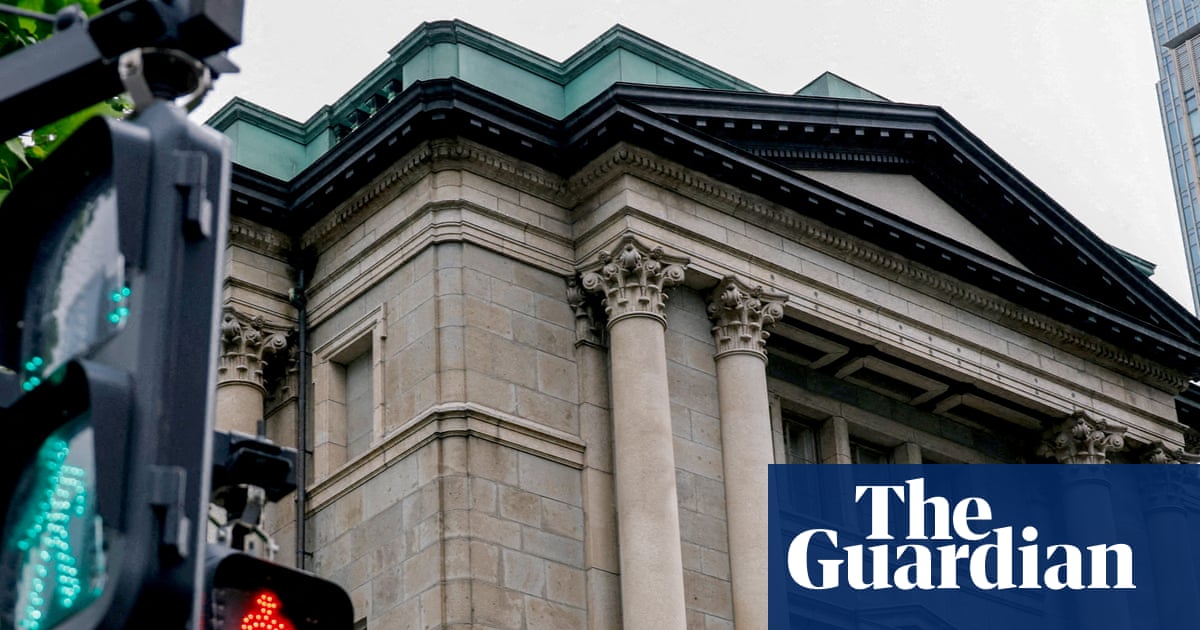
Japan’s central bank raised its target interest rate from 1.0% to 1.25%, the highest level since 1995, as it joins the U.S. Federal Reserve and the European Central Bank in tightening monetary policy this month. The move aims to curb global inflation linked to the war in Iran.
The policy committee vote was not unanimous; two of nine members opposed the increase. Governor Kazuo Ueda said the bank would not rule out successive hikes and would assess data at each meeting, noting that the BoJ has shifted its focus from boosting inflation to preventing it from exceeding the 2% target. In August, underlying inflation was 1.9%.
The rate hike followed a period of yen weakness, with the currency falling more than 1% against the dollar. Earlier this month, the U.S. Treasury intervened to support the yen, prompting Treasury Secretary Scott Bessent to warn traders against betting against the currency. The decision lifted the Nikkei index by nearly 2% and lowered two‑year government bond yields to 1.82%, while European stocks fell 0.5%.
Analysts say a back‑to‑back hike in October appears unlikely, but investors will watch for signals that the BoJ may raise rates again in December. TD Securities’ Prashant Newnaha expects quarterly hikes, with a 25‑basis‑point increase in December. Meanwhile, Brent crude futures slipped to $103.29 a barrel amid concerns over supply disruptions between Saudi Arabia and Yemen’s Houthis.