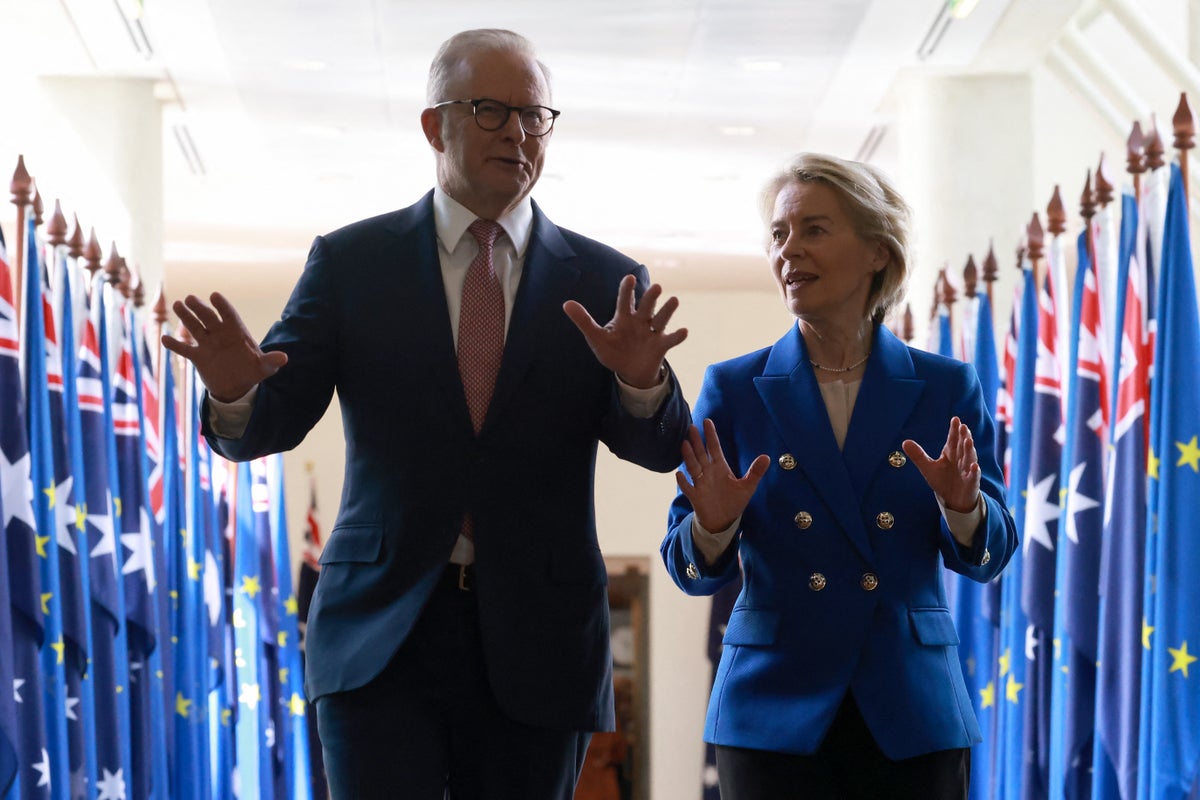
Australia is aligning its trade strategy with Canada’s push for closer ties with the European Union as Washington faces a growing dispute over tariffs on Australian exports.
After the Wall Street Journal reported that Canada was exploring an “associate member” status with the EU, Prime Minister Mark Carney clarified that the country seeks a “unique alliance” rather than full membership. The EU and Canada are discussing the free movement of goods, services and workers in key sectors such as artificial intelligence, energy, defence and critical minerals, and are also negotiating shared infrastructure projects, including underwater cables, data centres, cloud storage, satellite networks and energy transport facilities.
Australian trade minister Don Farrell told the Sydney Morning Herald that Australia would take a keen interest in Canada’s developments. He said he was open to all future options with the EU, excluding fibre‑optic cables because of the distances involved, and stressed that Australia’s prosperity over the past five decades has depended on engagement with the world.
Australia has been diversifying its trade after the United States imposed tariffs on its exports, despite a long‑standing security pact and free‑trade agreement with Washington. In March, Australia and the EU signed a free‑trade agreement that removes tariffs on almost all goods and could ease EU access to Australian critical minerals. The agreement follows eight years of negotiations and marks a significant step in Australia’s efforts to broaden its global trade relationships.