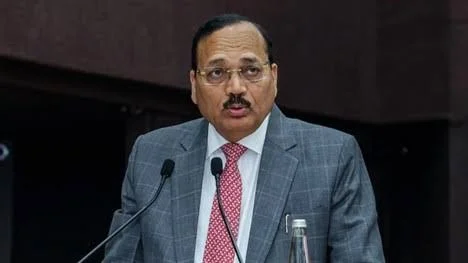
Chief Justice Surya Kant urged a fundamental shift from retrospective to preventive justice in India’s infrastructure sector during the FIDIC Global Infrastructure Conference in New Delhi on September 14. He noted that infrastructure projects are inherently exposed to the unexpected and that the rule of law should help create conditions where things go right, not merely correct what has gone wrong.
Kant said the real measure of success is not how quickly disputes are resolved but how well projects are designed to avoid them. He called for contractual and institutional frameworks that identify and address disagreements before they become disputes, emphasizing communication and dispute‑avoidance mechanisms.
The Chief Justice highlighted that a dispute resolution mechanism is best complimented when a project requires little use of it. He warned that a legal system should not only resolve disputes but also prevent them, stressing that infrastructure development directly affects millions of citizens through roads, bridges, and water systems.
He emphasized the importance of well‑drafted contracts that establish a shared understanding of responses to unforeseen circumstances, such as ground conditions or regulatory changes. Risk allocation, he said, is crucial; misallocation can lead to defensive pricing by contractors and burdens on governments that are ill‑equipped to manage certain risks.
Kant urged stakeholders to focus on five priorities: clarity of obligations, balanced risk allocation, sensible standardisation, early dispute avoidance, and swift, independent dispute resolution. He argued that these principles are instruments of good governance, not merely legal technicalities.