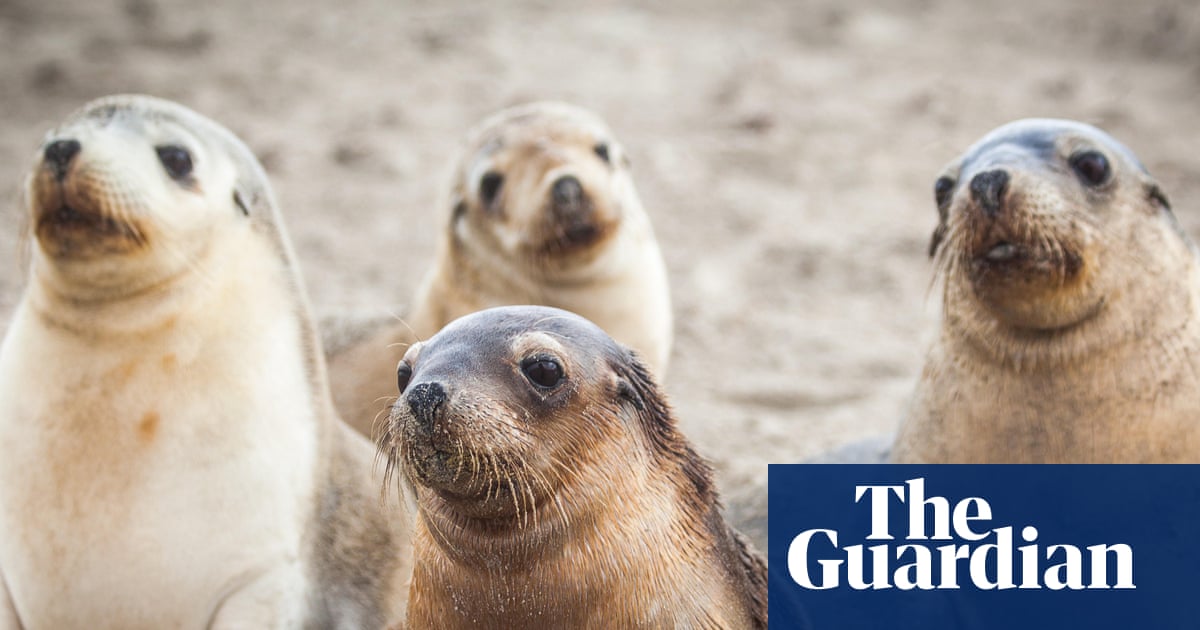
South Australia has recorded the first death of an endangered Australian sea lion from H5 bird flu, a virus that has already caused severe losses in pinniped populations elsewhere.
Experts estimate that about 12,000 Australian sea lions remain, though a more recent figure puts the number below 10,000. The majority of the population—about 85%—lives in South Australia, with the rest in Western Australia. The deceased animal was found at Seal Bay on Kangaroo Island, a site that supports an estimated 800 sea lions.
State environment minister Emily Bourke said the sea lion had been recovering from a shark attack when the bird flu killed it. She confirmed that no other endangered sea lion deaths had been recorded at Seal Bay and that the population is being monitored closely. Bourke noted that an off‑the‑shelf mammal vaccine is not yet available, but that trials have been conducted in the United States and in Hawaii on monk seals.
The loss raises concerns about the virus’s potential impact on the already declining sea‑lion population. Bourke cited a 75% reduction in seal pups on Heard Island and a 95% loss in other regions after bird flu outbreaks. A leading mammal scientist at Charles Darwin University warned that the virus could spread quickly among South Australian colonies, especially given the proximity of sea‑lion and seabird breeding sites. The state had confirmed its first mainland mammal case in August after a dead long‑nose fur seal tested positive for H5N1.