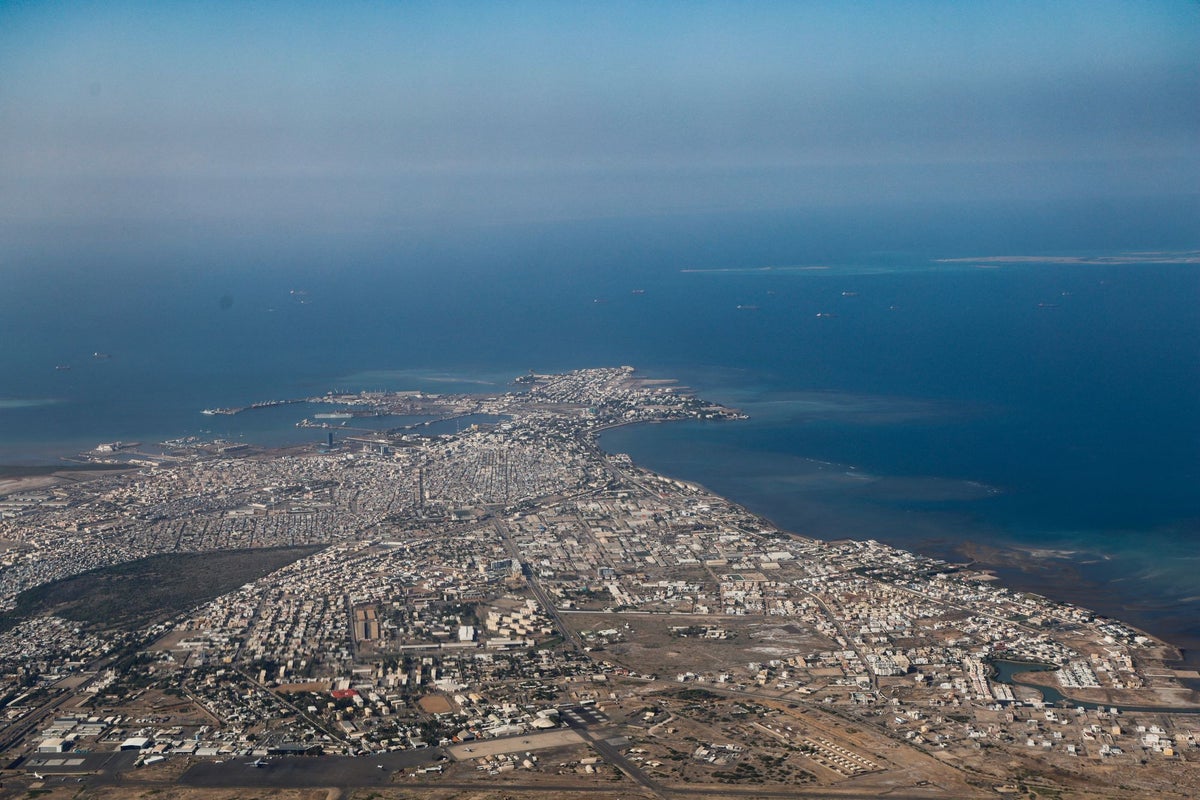
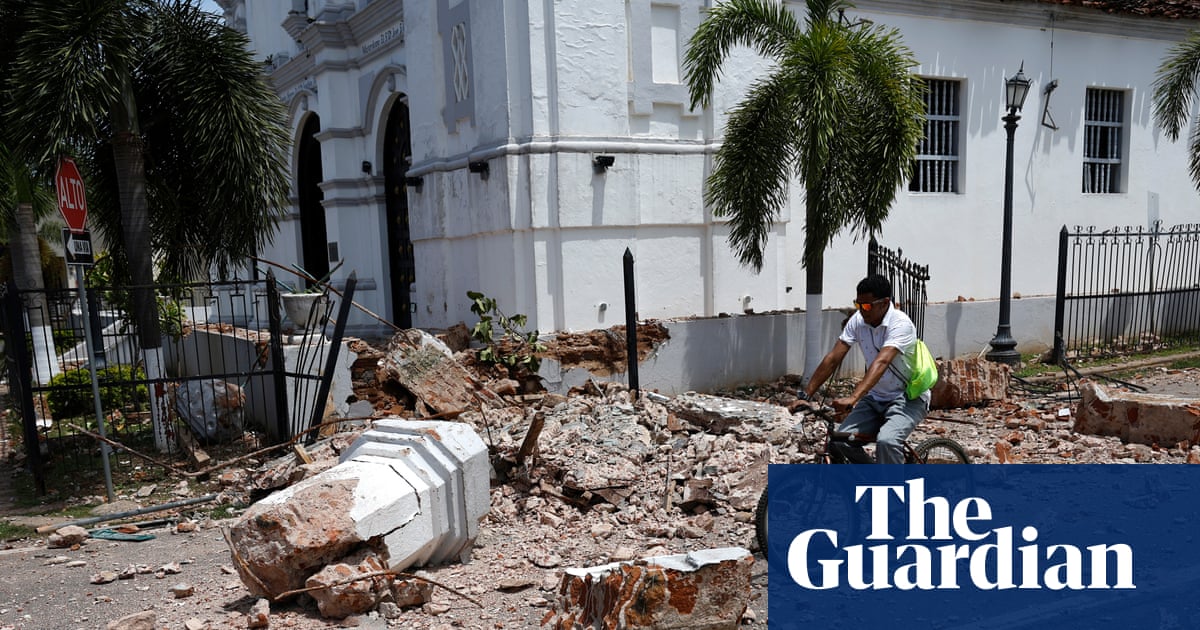
Lockheed Martin’s Precision Strike Missile (PrSM), billed as a next‑generation ballistic weapon, was reportedly employed for the first time in combat on Feb. 28, when three missiles struck the southern Iranian city of Lamerd. Iranian officials confirmed at least 21 civilian deaths, including seven children, and damage extending well beyond the immediate blast sites. The explosions occurred over an athletic centre and two residential neighbourhoods, with casualties recorded as far as 50 metres (164 feet) from the airburst points.
Airwars, a conflict‑monitoring group, mapped the airburst coordinates and civilian fatalities using open‑source media, security‑camera footage and satellite imagery. Their analysis, corroborated by the Associated Press, showed a cloud of tens of thousands of tungsten pellets dispersing in all directions, creating a lethal footprint that exceeded three times the distance at which deaths were recorded. Structural damage was observed across roads, buildings and vehicles within the same zone. While U.S. Central Command acknowledged a PrSM launch in Iran on March 1, it denied that the weapon was used in Lamerd and suggested an Iranian Hoveyzeh cruise missile might have been involved, a claim disputed by munitions experts.
Defense analysts caution that the PrSM’s mid‑air detonation design makes it unsuitable for densely populated areas. Former advisers Michael Meier and Wes Bryant warned that the missile should be limited to targets such as large enemy formations with hard and soft armor, noting its extended range of up to 499 kilometres and its distinctive tungsten‑pellet warhead. The incident has prompted renewed calls for stricter deployment guidelines to protect civilian populations.