Nearly 5,000 U.S. sailors and marines aboard the aircraft carrier USS Abraham Lincoln and two support vessels are due to dock at Laem Chabang near Pattaya on Wednesday after a deployment of more than 200 days at sea. Thai officials anticipate a modest economic boost of about $3 million, but they also warn of difficulties policing the influx, prompting a rapid crackdown on prostitution and a ban on activities such as parasailing and marijuana use for the service members.
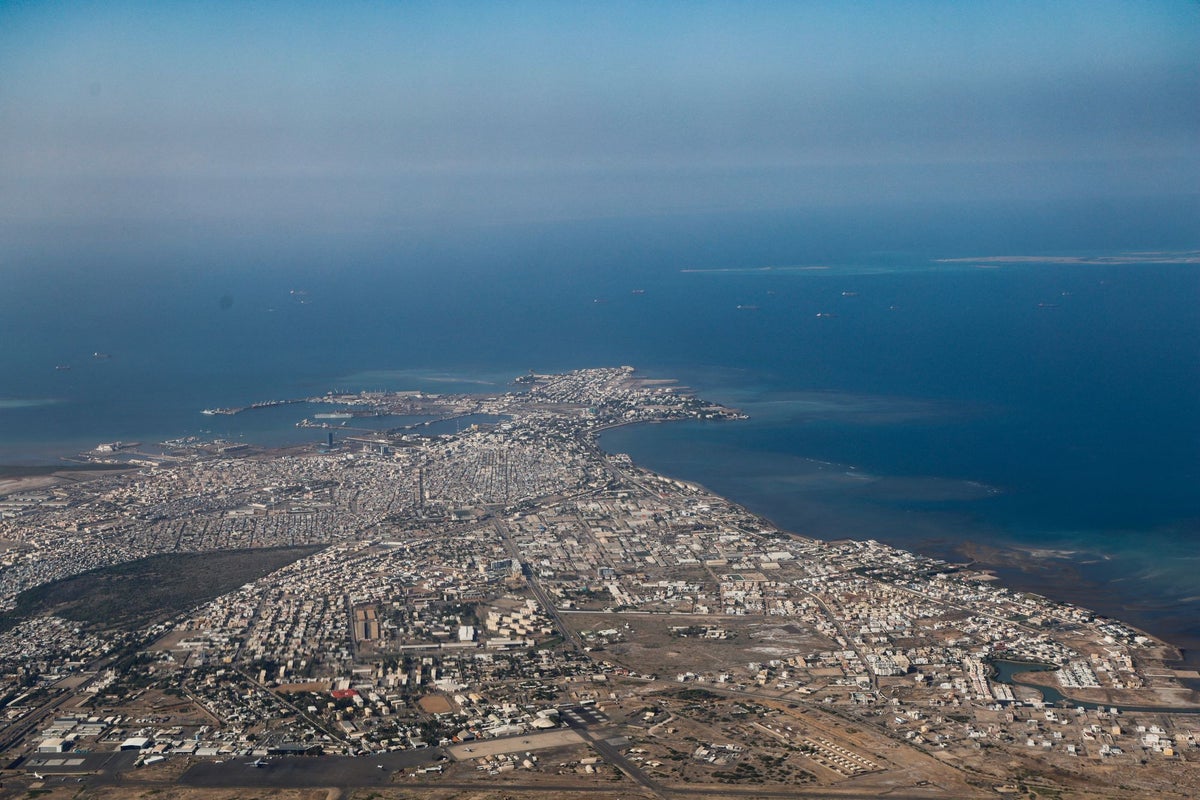
Pattaya’s evolution from a quiet fishing village on the Gulf of Thailand into a bustling resort city began in the late 1950s when American troops on leave during the Vietnam War settled on the beach’s southern strip. The town was granted city status by the late 1970s, and the 1980s saw a wave of high‑rise condos and tourism investment that cemented its reputation for nightlife, neon‑lit Walking Street and a visible sex industry, despite prostitution being illegal in Thailand.
Local authorities are now promoting family‑friendly attractions and child‑oriented hotels, yet the city’s nightlife and sex shows remain prominent. Recent tragedies, including the death of British entrepreneur Quentin Griffiths after a fall from a high‑rise condo and the discovery of a 17‑year‑old girl’s body in a suitcase, have drawn additional scrutiny to the area’s safety and social challenges.
Mayor Poramet Ngampiches estimates each sailor could spend between 1,000 and 3,000 baht per day, offering a potential lifeline after a slow tourism year. While the Pattaya Nightlife Business Association welcomes the visit as a source of hope, academics caution that the surge in visitors could heighten risks of sexual exploitation and the spread of sexually transmitted infections.