More than 3,000 people have died in the Democratic Republic of Congo’s latest Ebola outbreak, with the Ministry of Health reporting 6,186 confirmed infections and 3,007 fatalities since the crisis was declared an international health emergency in mid‑May. The epidemic, driven by the rare Bundibugyo virus, is now the fastest‑spreading Ebola outbreak on record and has reached six provinces, including two new health zones in North Kivu last week.
A United States Centers for Disease Control and Prevention assessment warned on Tuesday that suppression measures remain below established response targets, describing the rapid spread across multiple health zones as an “uncontrolled expansion” of the disease. The agency noted that the speed of transmission is outpacing efforts to trace contacts and contain new cases.
Frontline healthcare workers are operating under difficult conditions and have staged strikes demanding better pay. The outbreak is being fueled by ongoing conflict in eastern Congo, targeted attacks on medical personnel, high mobility among local miners, and weak healthcare infrastructure. Officials also expressed concern that reopening schools could facilitate further transmission within classrooms.
The World Health Organization cautioned that the epidemic could surpass the 2014‑2016 West Africa outbreak, which claimed 11,000 lives, while the Africa Centres for Disease Control and Prevention suggested the true toll may be up to three times the reported figures due to limited monitoring and contact tracing. Even at current levels, this is Congo’s deadliest Ebola crisis.
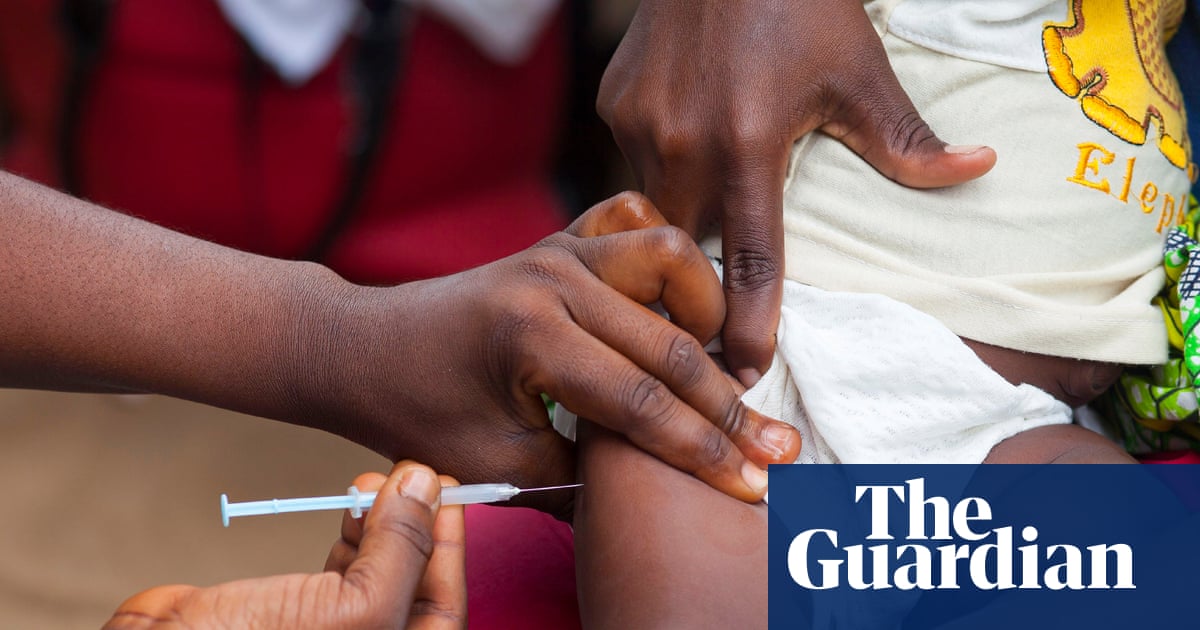
No approved treatments or vaccines exist for the Bundibugyo strain, though candidate vaccines are under development. Authorities began deploying the Ervebo vaccine to frontline workers in Kisangani, Tshopo province, last week. Ervebo helped control earlier Ebola outbreaks, and WHO officials say it may offer a degree of protection against the current surge.