Six months into the conflict with Iran, President Donald Trump posted an AI‑generated video on Truth Social claiming that Kharg Island had been “blown to smithereens.” The clip, which showed refineries erupting in flames, was quickly refuted by U.S. officials, though the administration has previously struck the island; Vice President JD Vance confirmed that “military targets” on Kharg were hit in April.
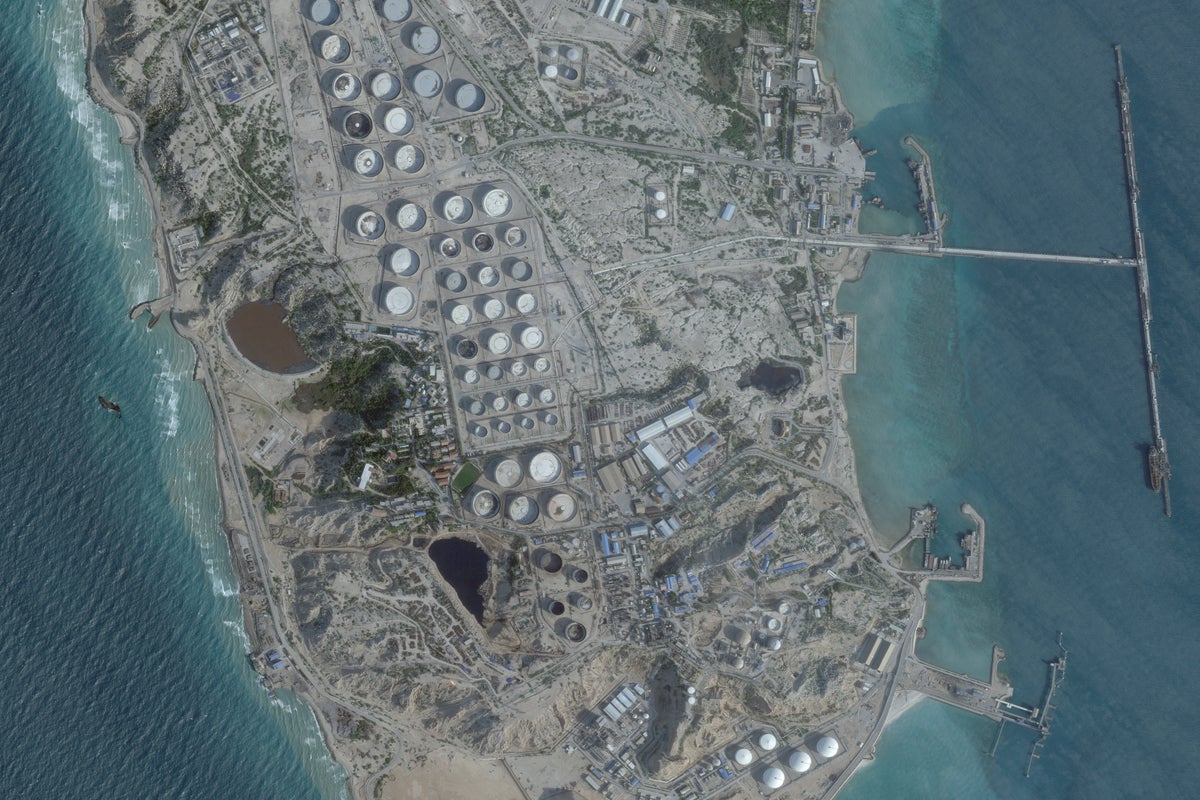
Kharg, a rocky outcrop less than eight square miles in size and home to about 8,000 residents, sits 16 miles off Iran’s coast near the Strait of Hormuz. The island handles roughly 90 percent of Iran’s crude exports, making it a critical node in global oil markets. In response to the war, Tehran has bolstered the island with additional surface‑to‑air missiles and laid anti‑personnel and anti‑armor mines in surrounding waters, according to sources familiar with U.S. intelligence.
U.S. officials have debated the feasibility of seizing Kharg. Former Central Command commander Joseph Votel told TWZ.com that an operation might require only 800 to 1,000 troops, but they would need extensive logistical support and would be vulnerable to missile and drone attacks. Gulf allies have warned that a ground presence could provoke retaliation against regional energy and civilian infrastructure, a senior Gulf official said to Reuters.
Analysts caution that occupying Kharg could have far‑reaching economic consequences. Former Pentagon official Michael Rubin argued that taking the island would cut off Iranian oil revenue and halt payrolls for the regime. Oil analyst Tamas Varga noted that such a move would strike a blow to Iran’s budget, while Chatham House analyst Neil Quilliam warned it could send oil markets into a tailspin and create a prolonged standoff, underscoring why previous U.S. presidents have avoided direct action on the island.